Welcome to the UK Tool Guide power tools section, where you’ll find straightforward guides to choosing, using and understanding power tools for DIY, home renovation and workshop projects.
Whether you’re buying your first power tool or looking to understand the differences between models, our guides focus on the things that actually matter when choosing equipment in the UK.
Rather than simply listing specifications, I explain what different tools are designed to do, which features are useful, what accessories you may need and what to consider before spending your money
Table of Contents
Saws
Circular Saws

Circular saws are useful for making long, straight cuts through timber and sheet materials such as MDF and chipboard.
Our circular saw guides cover everything from choosing the right saw size and understanding cutting depth to selecting blades and making accurate cuts.
Explore my circular saw guides:
Pre-Buying Stage
- Circular Saw Buying Guide UK for Beginners
- Reciprocating Saw vs Circular Saw
- What Size Circular Saw Do I Need for DIY UK?
- How Deep Can a Circular Saw Cut?
- Corded vs Cordless Circular Saws: Which Is Best for DIY?
Buying Stage
Circular Saw Blades
Usage and Maintenance
Circular Saw Materials
- Can You Cut Timber With a Circular Saw
- How to Cut Plywood With a Circular Saw
- Can You Cut MDF With a Circular Saw
- Can You Cut Chipboard With a Circular Saw?
- Can You Cut Decking With a Circular Saw?
- Can You Cut Fence Posts With a Circular Saw
As the circular saw section continues to grow, we’ll add more practical guides covering common DIY materials, blades, batteries and cutting techniques.
Reciprocating Saws
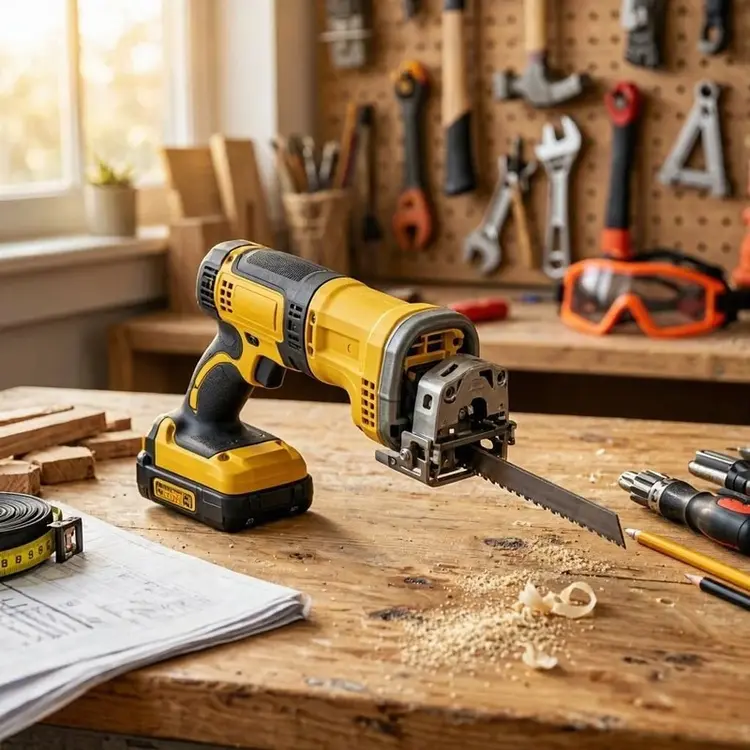
Reciprocating saws are particularly useful for demolition, cutting timber, plastic, metal and other materials where a fast, rough cut is more important than a highly finished edge.
Our guides explain what reciprocating saws are used for, which materials you can cut and how to choose suitable blades and batteries. These guides are aimed particularly at DIYers who want to understand where a reciprocating saw fits into their tool collection.
Explore my reciprocating saw guides:
Pre-Buying Stage
- Reciprocating Saw Buying Guide DIY UK
- What Is a Reciprocating Saw Used For?
- 12V vs 18V Reciprocating Saw
- Battery Run Times for Reciprocating Saws UK
- Brushless vs Brushed Reciprocating Saw
- Reciprocating Saw vs Jigsaw
Buying Stage
Blades
- Reciprocating Saw Blades Guide for Beginners UK
- Reciprocating Saw Blade TPI Guide
- Best Reciprocating Saw Blades for Wood
- Best Reciprocating Saw Blades for Metal UK
Usage & Maintenance
Materials
- What Can You Cut With a Reciprocating Saw?
- Can You Cut Metal With a Reciprocating Saw?
- Can You Cut Wood With a Reciprocating Saw?
Grinders
Angle Grinders
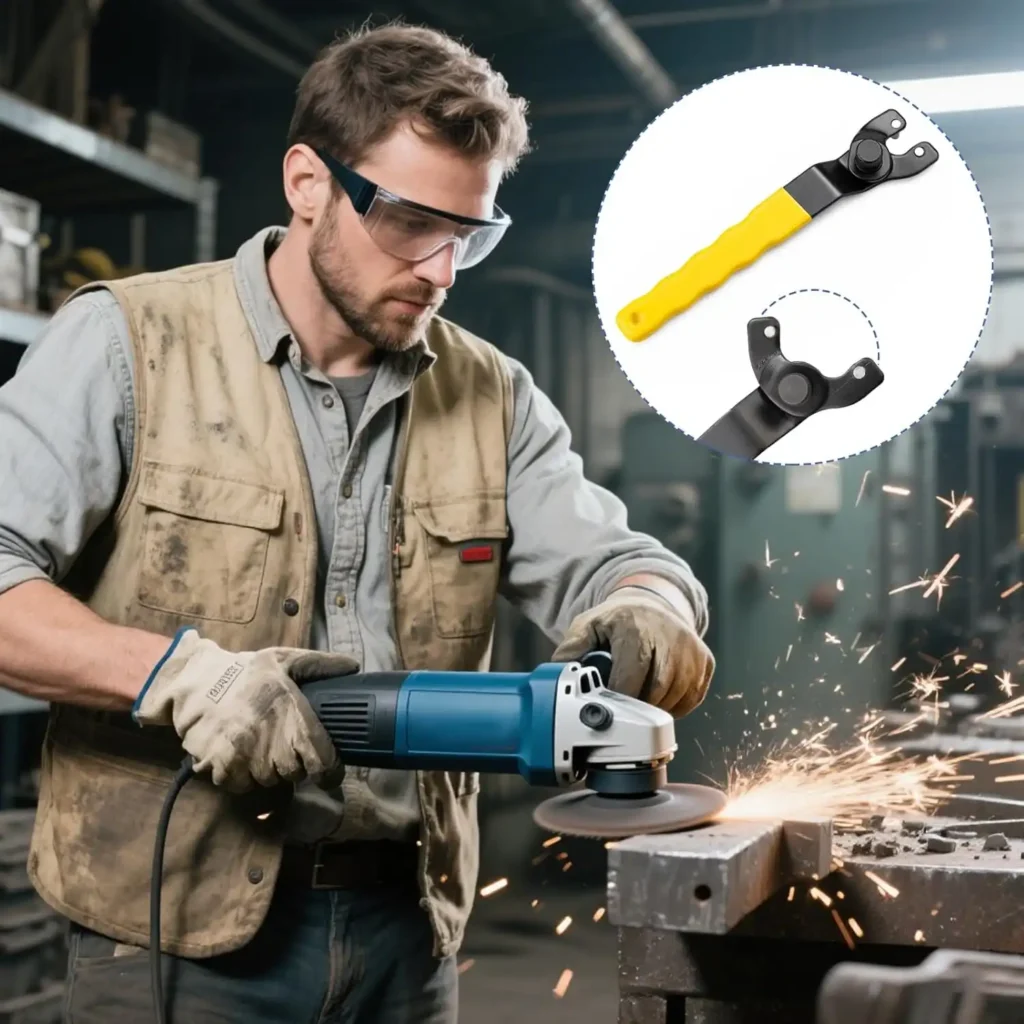
Angle grinders are versatile power tools that can be used for cutting, grinding, polishing and other jobs when fitted with the correct accessory.
Our angle grinder guides cover choosing a grinder, understanding different discs, cutting metal and masonry, changing discs and using an angle grinder safely.
You’ll also find guides covering cordless grinders, disc sizes, troubleshooting and choosing an angle grinder for different DIY requirements.
Explore our angle grinder guides:
Pre-Buying Stage
Buying Stage
- Best Angle Grinders UK
- Best Budget Angle Grinder UK for DIY
- Best Angle Grinder for Beginners UK (2026 Guide)
- Lightest 115mm Cordless Angle Grinder UK
Discs
- Angle Grinder Discs Explained
- Cutting vs Grinding Discs for Angle Grinders
- How to Change an Angle Grinder Disc
- Best Angle Grinder Discs for Metal UK
- Can You Use 115mm Discs on a 125mm Angle Grinder
- How to Remove an Angle Grinder Disc Without the Tool
Usage & Maintenance
- Angle Grinder Uses for Beginners
- How to Use an Angle Grinder Safely
- Why Is My Angle Grinder Sparking?
- Why Does My Angle Grinder Keep Cutting Out
Materials
- Can You Use an Angle Grinder on Wood?
- How to Cut Metal With an Angle Grinder
- Can You Use an Angle Grinder to Cut Paving Slabs?
Oscillating Multi-Tools
Oscillating multi-tools are compact and versatile tools that can handle a wide range of jobs by changing the accessory fitted to the tool.
They can be useful for cutting, scraping, sanding and other detailed work where a larger power tool may be difficult to use.
Our oscillating multi-tool guides explain what these tools are designed for, what they can cut and how to get the most from the different accessories.
Explore our oscillating multi-tool guides:
Drills & Accessories
Combi Drills
Owning a Combi drill is one of the best DIY tools that you can own. I would recommend it to any DIY beginner in the UK. My guides linked below offer you the full range of everything you need to know about buying, owning and using a combi drill.
Pre-Buying Stage
Buying Stage
- 12V vs 18V combi drills – which do you need?
Important Accessories
Uses and Maintenance
More Power Tool Guides Coming Soon
UK Tool Guide is gradually expanding its power tool coverage.
Future sections will cover additional tools and common DIY questions as new guides are added. The aim is to build a useful resource where you can understand what a tool does, when you need one and what to look for before buying.
You don’t always need the biggest, most powerful or most expensive tool. The right choice depends on the work you’re actually planning to do.
If you’re new to DIY, start with the tool category that matches your project and explore the individual guides for more detailed information.