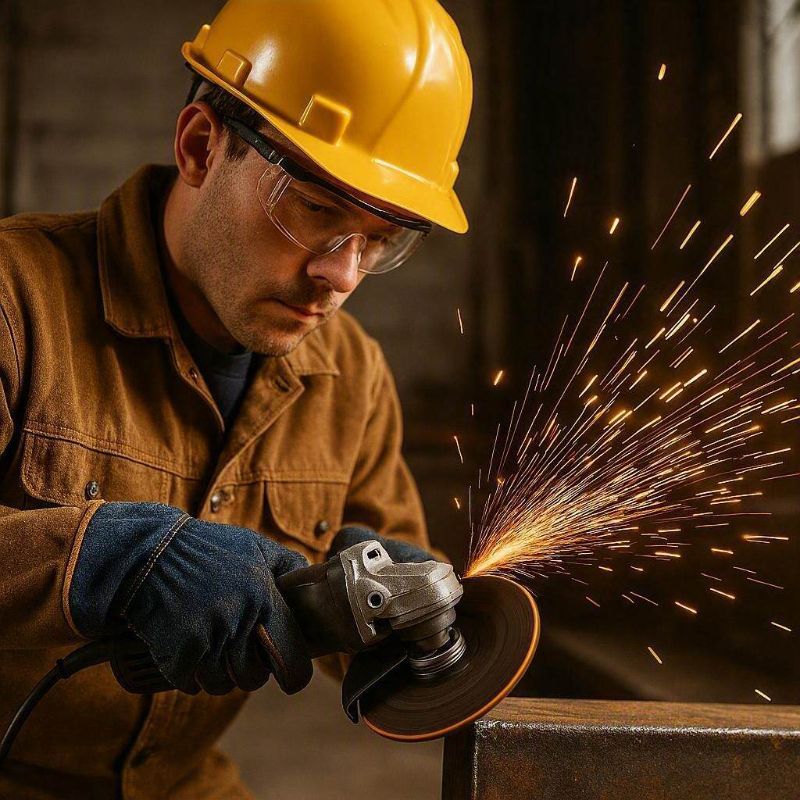
Angle grinders are powerful and versatile tools that can be used for cutting, grinding, cleaning and surface preparation. They can also be hazardous if the wrong disc, technique or safety precautions are used.
The good news is that many of the common risks can be reduced by using the correct guard, disc, grip, workpiece support and personal protective equipment (PPE), and by following the manufacturer’s instructions.
This beginner’s guide explains how to use an angle grinder more safely, including:
- The PPE you may need for different jobs
- How to hold and control an angle grinder
- How to use cutting and grinding discs correctly
- How to reduce the risk of kickback
- How to manage sparks, dust and debris
- How to check discs and accessories before use
- Common beginner mistakes to avoid
If you’re thinking about buying an angle grinder, my angle grinder buying guide for UK DIYers can help you understand the different sizes, corded and cordless options, features and specifications to look for.
Why Angle Grinder Safety Matters
Angle grinders operate at high speeds, with the maximum speed varying between models and accessories. Some grinders can run at around 6,000–12,000 RPM, while variable-speed models may have a wider range.
At these speeds:
- Abrasive discs can break or fail if they are damaged, incorrectly fitted or used outside their rated conditions
- Kickback can occur if the disc catches or binds in the material
- Sparks, dust and debris can be thrown from the work area
- Poor grip or an unstable stance can make the grinder harder to control
The risks cannot be eliminated completely, but using the correct disc, guard, grip, workpiece support and PPE can help reduce them.
Good safety habits are worth developing from the start. They can help you avoid becoming complacent as you gain more experience with the tool.
1. Wear the Right PPE
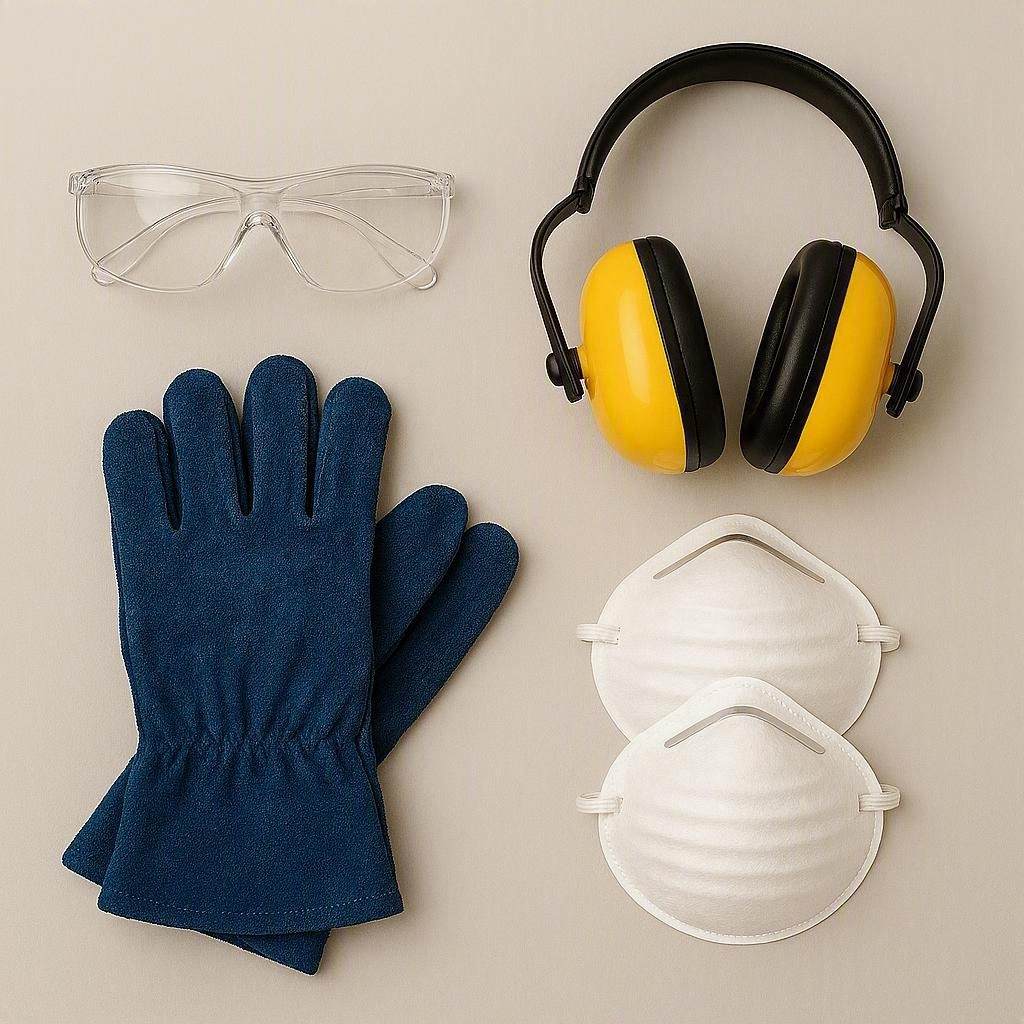
The PPE you need depends on the material you’re working with and the job you’re doing. PPE should be used alongside safe working practices rather than as a substitute for them.
Essential PPE to Consider
- Safety glasses – protect your eyes from sparks, dust and small particles
- Face protection – a suitable face shield can provide additional protection where there is a risk of flying debris or sparks
- Hearing protection – angle grinders can produce high noise levels, particularly during prolonged use
- Respiratory protection – important when cutting or grinding materials that produce hazardous dust; masonry and concrete work can produce respirable silica dust
- Suitable gloves – gloves may be appropriate for some tasks, but they must be suitable for the work and must not create additional risks around rotating equipment
- Suitable clothing and footwear – wear clothing appropriate for the work, avoid loose clothing that could interfere with the tool, and protect exposed skin from sparks and debris
Why PPE Matters
Angle grinding can produce sparks, abrasive particles, dust and flying debris, depending on the disc and material being worked on.
The correct PPE provides an additional layer of protection, but it does not make an unsafe setup safe. Always use the correct disc and guard, inspect the equipment before use, secure the workpiece and follow the manufacturer’s instructions.
2. Always Use the Guard
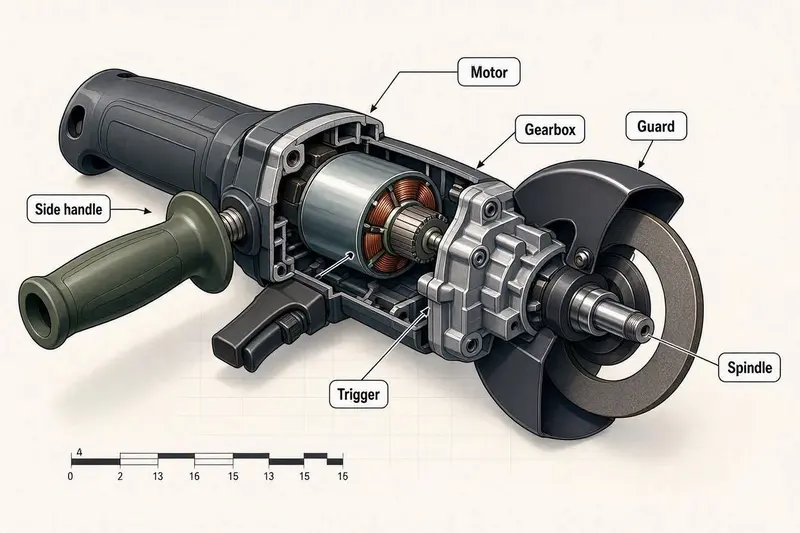
The guThe grinder’s guard is an important safety feature designed to provide protection from sparks, flying debris and, where applicable, fragments from a damaged or failed abrasive wheel.
Never remove the guard to make a disc easier to access or to see the cutting area more clearly. Use the correct guard for the disc and application, and make sure it is securely fitted before starting work.
Before using the grinder:
- Check that the guard is fitted correctly and is not damaged
- Make sure it is positioned according to the manufacturer’s instructions
- Use the appropriate guard for the type of disc or accessory being fitted
- Never use the grinder without the required guard in place
The guard is only one part of the safety system. You should still use the correct disc, wear appropriate PPE and position yourself so you are not unnecessarily exposed to sparks or debris.
3. Hold the Grinder Correctly
Using a stable grip and stance gives you better control of the grinder and helps you react if the disc catches or the tool moves unexpectedly.
Correct Grip and Stance
- Hold the grinder firmly with both hands where the tool is designed for two-handed operation
- Keep one hand on the main handle or body and the other on the side handle
- Keep your feet in a stable, comfortable position with enough space to maintain your balance
- Position yourself so you are not directly in line with the cutting or grinding wheel where practical
- Keep the grinder under control throughout the operation and avoid overreaching
Why Your Position Matters
Abrasive wheels can produce sparks, debris and, in the event of a wheel failure, fragments that may be thrown in different directions.
Positioning yourself carefully helps reduce your exposure to the potential line of fire and gives you a more stable stance if the grinder kicks or moves unexpectedly.
Always follow the grinder manufacturer’s instructions for the correct hand position and operating technique.
4. Let the Disc Reach Full Speed
Before bringing the disc into contact with the material, start the grinder and allow it to reach its normal operating speed.
- Hold the grinder securely before switching it on
- Start the grinder away from the workpiece
- Allow the disc to reach full operating speed
- Listen and watch for anything unusual, such as excessive vibration or an abnormal sound
- If the grinder or disc does not appear to be running normally, switch it off and investigate before continuing
Do not force the disc into the material immediately after starting the grinder. Allowing the tool to reach its normal operating speed before making contact helps you maintain better control and follow the manufacturer’s intended operating procedure.
Always follow the instructions supplied with your particular grinder and accessory.k.
5. Use the Right Disc for the Job
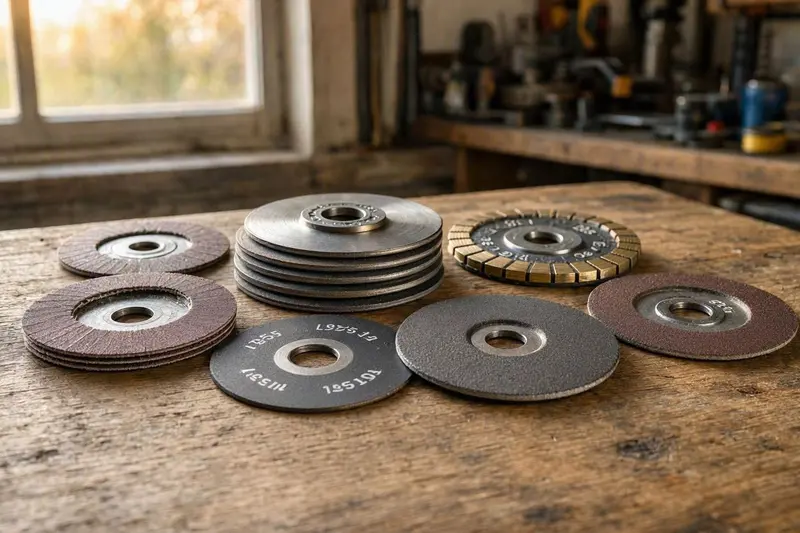
UsiChoosing the correct disc or accessory is one of the most important parts of using an angle grinder safely. Different discs are designed for different materials and applications, and using the wrong type can damage the disc, material or grinder and increase the risk of an accident.
Common Examples
- Metal cutting disc → cutting suitable metal
- Grinding disc → removing material from suitable metal
- Flap disc → smoothing, blending and finishing metal
- Diamond cutting disc → cutting suitable masonry, tiles or other hard mineral materials
- Wire wheel or cup brush → removing rust, loose paint and surface contamination
- Polishing pad → polishing suitable metal surfaces
Before fitting any disc, check the diameter, bore, maximum operating speed and material compatibility. The accessory must also be suitable for your particular angle grinder and the intended application.
Never use a cutting disc for side grinding, and don’t assume that a disc is suitable simply because it fits the grinder.
If you’re unsure which accessory you need, see my guide to Angle Grinder Discs Explained, which covers the main disc and accessory types in more detail.ng the wrong disc is one of the biggest beginner mistakes.
6. Cut in a Straight Line — Never Twist the Disc
TwistiWhen using a cutting disc, keep the grinder aligned with the cut and avoid twisting, turning or levering the disc while it is inside the material.
Twisting the disc can cause it to bind or catch, which may increase the risk of kickback or damage to the abrasive wheel.
Keep the Cut Under Control
- Mark the cutting line before starting
- Keep the grinder aligned with the cut
- Allow the disc to do the cutting rather than forcing it
- Don’t use the disc as a lever to widen the cut
- Avoid sudden changes in direction while the disc is engaged with the material
- If the disc starts to bind or the grinder behaves unexpectedly, stop and reassess the cut
A cutting disc is designed to cut through the material, not to be twisted sideways or used for grinding. If you need to remove material from the side of a metal surface, use a suitable grinding or flap disc instead.
7. Control Sparks and Debris
Angle grinders can produce hot sparks, abrasive particles and dust, particularly when cutting or grinding metal. Before starting work, check where these materials will travel and make sure the surrounding area is suitable.
Before You Start
- Direct sparks away from yourself and other people
- Keep sparks away from flammable materials
- Protect or move items that could be damaged by heat or sparks, including glass, vehicles, painted surfaces and plastics
- Check the area behind and around the workpiece for materials that could catch fire
- Keep bystanders away from the immediate work area
- Be aware that sparks can travel beyond the immediate cutting or grinding area
After finishing the work, check the surrounding area for hot metal particles or smouldering material, particularly when working near combustible materials.
Good spark control is not just about protecting the person using the grinder. It also helps reduce the risk of fire and damage to nearby property or equipment.
8. Avoid Kickback
KiKickback can occur when the disc catches, binds or becomes trapped in the material, causing the grinder to move suddenly and unexpectedly.
Kickback can be particularly difficult to control if you’re inexperienced, so good positioning and technique are important.
How to Reduce the Risk of Kickback
- Keep a firm two-handed grip on the grinder where the tool is designed for this
- Allow the disc to reach its normal operating speed before contacting the material
- Don’t force the grinder through the workpiece
- Keep the cutting disc aligned with the cut and avoid twisting it
- Make sure the workpiece is properly supported and secured
- Avoid putting excessive pressure on the disc
- Keep your body positioned so you have a stable stance and are not directly in the potential line of movement
If the grinder suddenly jerks, catches or starts to behave unexpectedly, don’t try to fight the movement. Release the trigger or switch the grinder off as appropriate, allow the disc to stop, and reassess the setup before continuing.
Never use a cutting disc as a lever or try to widen a cut by twisting the grinder sideways.
9. Never Use a Damaged Disc
Before every use, chAlways inspect an abrasive disc before fitting it to your angle grinder. Even small amounts of visible damage can be a reason not to use it.
Check for:
- Cracks or splits
- Chips or damaged edges
- Signs of distortion or warping
- Damage around the centre hole
- Loose or damaged components or fittings
- Any other visible sign that the disc is not in good condition
Also check that the disc is the correct type, size and speed rating for your grinder and the job you are about to do.
If you’re unsure about the condition of a disc, don’t use it. Replace it with a suitable, undamaged accessory rather than taking the risk.
Never attempt to repair, modify or straighten a damaged abrasive disc.
10. Let the Disc Stop Before Putting the Grinder Down
Never put an angle grinder down while the disc or accessory is still rotating.
After finishing a cut or grinding operation:
- Keep a firm grip on the grinder
- Move the tool away from the workpiece
- Release the switch or trigger
- Wait until the disc has completely stopped
- Place the grinder down in a stable position
Don’t try to stop the disc by pressing it against another object or surface.
Waiting for the disc to stop before putting the grinder down reduces the risk of the rotating accessory contacting the bench, floor, workpiece or another object unexpectedly.h.
11. Keep Cables and Batteries Safe
Whether your angle grinder is corded or cordless, make sure the power supply cannot create an additional hazard while you’re working.
Corded Angle Grinders
- Keep the power cable clear of the disc and cutting path
- Position the cable so it cannot become caught or accidentally cut
- Never make a cut towards a cable you cannot clearly see and control
- Keep the cable away from hot sparks and sharp edges where practical
- Check the cable and plug for visible damage before use
Cordless Angle Grinders
- Make sure the battery is securely fitted before starting work
- Check the battery and tool for visible damage
- Keep the battery and charger away from excessive heat, sparks and moisture
- Remove the battery before changing discs or carrying out maintenance, following the manufacturer’s instructions
For either type of grinder, switch the tool off and disconnect it from its power source before changing discs, adjusting the guard or carrying out maintenance.
12. Common Beginner Mistakes to Avoid
Many angle grinder accidents can be linked to poor setup, incorrect accessories or using the tool beyond what it was designed to do. Common mistakes include:
- Using the wrong disc or accessory for the material or job
- Applying too much pressure or trying to cut too quickly
- Removing the guard or using the wrong guard
- Failing to wear appropriate PPE
- Twisting a cutting disc while it is engaged with the material
- Positioning the grinder or workpiece in a way that increases the risk of contact with the body
- Using discs that are damaged, out of date where applicable, or unsuitable for the grinder
- Ignoring the disc’s maximum operating speed
- Failing to secure the workpiece properly
- Continuing to use the grinder after unusual vibration, noise or other signs of a problem
Taking a few moments to check the grinder, disc, workpiece and surrounding area before starting can help reduce many of these risks.
If you’re new to angle grinders, don’t rush. Use the correct accessory, work within the manufacturer’s instructions and stop if you’re unsure about the setup or technique.
13. Before You Start: Quick Safety Checklist
Before switching on your angle grinder, take a few moments to check the tool, accessory and work area.
- Correct disc or accessory – make sure it is suitable for the material and job
- Disc condition – check for cracks, chips, distortion or other visible damage
- Speed rating – make sure the disc’s maximum operating speed is suitable for your grinder
- Correct guard – check that the appropriate guard is fitted and positioned correctly
- Workpiece secured – make sure the material cannot move unexpectedly during the job
- PPE – wear the appropriate eye, face, hearing and respiratory protection for the task
- Cables and batteries – make sure the power supply is secure and clear of the cutting or grinding area
- Work area – remove unnecessary items, particularly flammable materials, and keep other people away from the immediate work area
- Grinder condition – check the tool, cable, battery and controls for any obvious damage
If anything doesn’t look right, stop and resolve the problem before starting the grinder. A few seconds spent checking the setup can help prevent problems once the disc is rotating.
14. Secure the Workpiece Properly
The material you’re cutting or grinding should be properly supported and secured so it cannot move unexpectedly.
Where appropriate, use suitable clamps or another secure method to hold the workpiece. Avoid holding small pieces in your hand while operating the grinder.
Think about how the material will behave as the cut progresses. Large or heavy pieces may need additional support, and the position of the supports should not cause the cut to close onto the disc and trap it.
Good workpiece support helps you maintain control of the grinder and can reduce the risk of the material moving, pinching the disc or causing an unexpected reaction.
Before starting, make sure you have a stable position and enough room to move the grinder safely through the job.
15. What to Do If Something Goes Wrong
Don’t continue using an angle grinder if something suddenly feels or sounds different.
Stop and reassess the situation if you notice:
- Unusual or excessive vibration
- A sudden change in noise
- The disc catching or binding
- Unexpected movement or kickback
- A damaged disc
- Smoke, burning smells or other signs of a problem
- The grinder becoming difficult to control
Switch the grinder off and allow the disc to come to a complete stop before investigating.
If the tool is corded, disconnect it from the power supply before inspecting or changing the accessory. With a cordless grinder, remove the battery before carrying out inspection or maintenance, following the manufacturer’s instructions.
Don’t simply restart the grinder and carry on if you don’t know what caused the problem. Check the disc, guard, workpiece, power supply and overall setup before deciding whether it is safe to continue.
Further Safety Guidance
For additional information on the safe use of abrasive wheels, see the Health and Safety Executive (HSE) guidance on abrasive wheels. It covers important precautions for portable and hand-held grinding machines, including abrasive wheel selection, guarding, inspection and safe working practices.
This guide is intended as general information for DIY users. Always follow the safety instructions supplied with your particular angle grinder and accessories.