Angle grinders commonly produce sparks when cutting or grinding metal, but a sudden change in the amount, direction or appearance of the sparks can sometimes indicate that something needs attention.
The type and intensity of sparks can vary depending on the material, disc or accessory, the pressure being applied and the way the grinder is being used.
This guide explains some of the common reasons an angle grinder may produce unusual or excessive sparks, what you can check safely and when you should stop using the tool.
If you’re thinking about buying an angle grinder, you can also read our angle grinder buying guide for UK DIYers, which covers grinder sizes, corded and cordless models, features and specifications.
The important thing is to understand when sparks are a normal part of cutting or grinding metal and when a change in the sparks may indicate a problem.
Are Sparks Normal From an Angle Grinder?
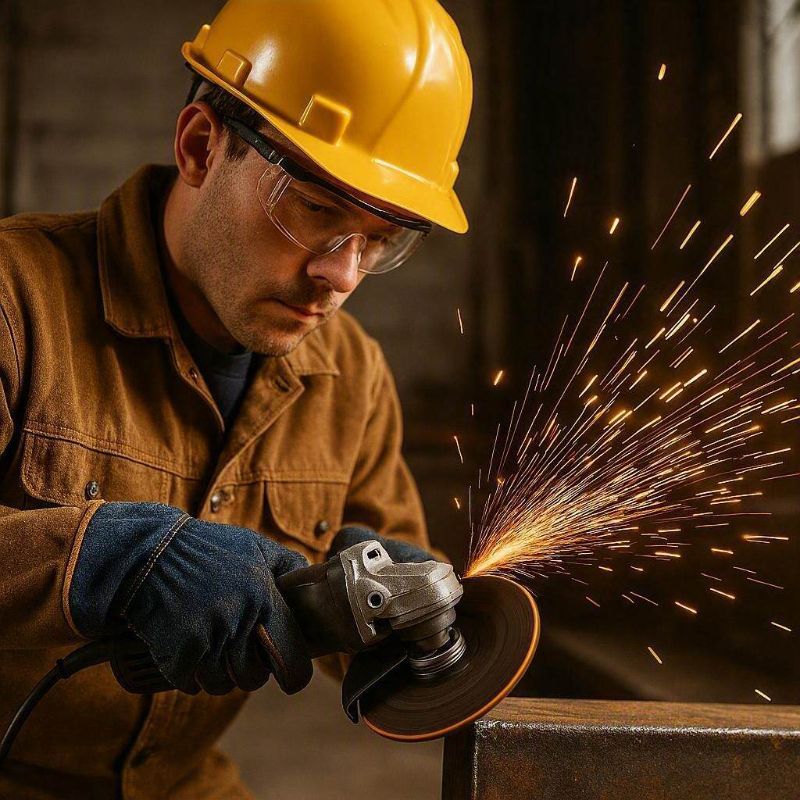
Yes. Sparks are normal when an angle grinder is used on many types of metal, particularly when cutting or grinding steel.
You may see sparks when:
- Cutting suitable steel or other ferrous metals
- Grinding welds
- Removing rust or coatings from metal
- Using some flap discs on metal
Why Has My Angle Grinder Stopped Producing Sparks?
If your angle grinder suddenly stops producing sparks while you’re cutting or grinding metal, it doesn’t automatically mean the tool has developed a fault.
The sparks may change or disappear if the disc is no longer contacting the metal, the cutting conditions have changed or you’re working on a different material.
However, if the sparks stop at the same time as the grinder loses power, starts making unusual noises, smells of burning or behaves differently from normal, switch it off and investigate.
Never press harder or force the grinder through the material just to produce more sparks. Check the disc, workpiece and setup once the grinder has been switched off and the disc has stopped completely. If you suspect an electrical or motor fault, don’t continue using the tool until the problem has been checked.
The sparks are produced as the abrasive disc removes small particles of material. Their appearance can vary depending on the material, disc and way the grinder is being used.
However, don’t judge safety by the sparks alone. If you notice a sudden change in sparks accompanied by unusual vibration, noise, burning smells, loss of power or other abnormal behaviour, stop the grinder and investigate before continuing.
It’s also important to distinguish sparks from the workpiece from electrical arcing or sparking coming from inside the grinder. Sparks or arcing from the motor housing are a different issue and should not be treated as normal grinding sparks.
Normal Sparks vs Warning Signs
If you’re new to using an angle grinder, it can be difficult to know whether the sparks you’re seeing are normal or something you should be concerned about.
The key is to look at the overall behaviour of the grinder, rather than judging the sparks on their own.
| What you notice | What it may mean | What to do |
|---|---|---|
| Normal sparks from the workpiece | Often a normal part of cutting or grinding metal | Continue using the correct disc and technique |
| More sparks than expected | Material, disc or cutting technique may be contributing | Stop and check the disc, material and pressure |
| Sparks suddenly change along with vibration | Possible disc, mounting or grinder problem | Stop and inspect before continuing |
| Sparks accompanied by excessive heat | Disc may be working too hard or the setup may be unsuitable | Stop and reassess the disc and technique |
| Sparks or arcing inside the grinder | Possible motor or electrical issue | Stop using the grinder and investigate |
| Sparks accompanied by a burning smell | Possible overheating or electrical fault | Switch off and stop using the grinder |
| Disc wobbling, cracking or making unusual noises | Possible damaged or incorrectly fitted accessory | Stop immediately and inspect the setup |
Remember that sparks from the workpiece are not automatically a sign of a problem. Different metals and materials can produce different amounts and appearances of sparks.
What matters most is whether the grinder is operating normally and whether the disc, material and technique are suitable for the job.
If you notice a sudden change accompanied by vibration, unusual noise, burning smells, internal electrical sparking or other abnormal behaviour, stop using the grinder and investigate before continuing.
Can Angle Grinder Sparks Damage Glass?
Yes. Hot sparks and abrasive particles from an angle grinder can damage nearby glass, potentially leaving marks or causing surface damage. The risk depends on the particles, the glass and the circumstances.
If you’re cutting or grinding metal near a window, glazed door or other glass surface, don’t assume the glass is safe simply because the sparks aren’t hitting it directly.
Before starting work:
- Move the workpiece away from nearby glazing where practical.
- If possible, carry out the grinding or cutting in a location where sparks cannot reach glass.
- Protect nearby surfaces using a suitable method that can safely withstand hot sparks.
- Keep sparks away from people, flammable materials and anything else that could be damaged.
Don’t rely on an ordinary cloth, plastic sheet or other combustible covering to protect glass from hot sparks. If you cannot adequately protect the surrounding area, reconsider where the work is carried out.
1. You’re Using the Wrong Disc
Using the wrong disc or accessory for the job can cause poor cutting or grinding performance, excessive heat, unusual sparks and increased wear.
Angle grinder discs are designed for specific materials and applications, so choosing the correct accessory is important.
Examples
- Using a grinding disc for an application that requires a cutting disc
- Using a cutting disc incorrectly or putting excessive side pressure on it
- Using a disc that is unsuitable for the material being worked on
- Continuing to use a disc that is worn, damaged or otherwise unsuitable
- Fitting an accessory with the wrong diameter, bore size or maximum operating speed
Fix
Stop the grinder and check that you’re using the correct disc for the material and type of work you’re doing.
Check the disc markings and the grinder manufacturer’s instructions, including the disc diameter, bore size, maximum operating speed and intended application.
A cutting disc should be used for cutting rather than side grinding, while a grinding disc is designed for removing material from a surface.
If you’re unsure whether you’re using a cutting disc, grinding disc or flap disc, read our guide to Angle Grinder Discs Explained to understand which accessory is designed for each job.
2. The Disc Is Worn, Damaged, or Glazed
A worn or damaged disc can affect how the grinder cuts or grinds and may cause unusual vibration, poor performance or unexpected sparks.
Signs of a Problem Disc
Before fitting or using a disc, check for:
- Cracks or splits
- Chips or damaged edges
- Warping or distortion
- Damage around the centre hole
- A visibly worn or glazed abrasive surface
- Signs that the disc is wobbling or not running correctly
A glazed surface can occur when the abrasive material becomes less effective at removing material. However, not every change in the appearance of a disc means it is damaged, so always consider the manufacturer’s guidance for that particular accessory.
Fix
If a disc is cracked, chipped, distorted or otherwise damaged, do not use it. Replace it with the correct disc for the grinder and application.
Also check the disc’s maximum operating speed, diameter, bore size and intended material before fitting it.
If the grinder starts vibrating unusually, the disc does not run correctly or you notice other abnormal behaviour, switch the grinder off and allow the disc to stop completely before investigating.
3. You’re Grinding at the Wrong Angle
The way you hold an angle grinder can affect how the disc contacts the material. Using excessive pressure or holding the grinder at an unsuitable angle can increase disc wear, create more heat and make the tool harder to control.
With a cutting disc, keep the disc aligned with the cut rather than twisting or tilting it. Cutting discs are designed to cut through the material and should not be used for side grinding.
With grinding and flap discs, use the working angle recommended by the disc manufacturer. The correct angle can vary depending on the type of accessory and the job.
Signs You’re Using the Wrong Angle
You may notice:
- Excessive or unusual sparks
- Disc chatter or vibration
- Faster-than-expected disc wear
- Increased heat
- The grinder becoming more difficult to control
Fix
Adjust the position of the grinder so the accessory is contacting the material correctly. Use steady, controlled movements and let the disc do the work rather than applying excessive pressure.
If you’re unsure about the correct working angle, check the instructions supplied with the disc or accessory before continuing.
For more information on the different types of angle grinder discs and their applications, see my guide to Angle Grinder Discs Explained.
4. You’re Cutting Hardened or High-Carbon Steel
Some types of steel can produce noticeably different sparks when they are cut or ground. The amount and appearance of the sparks can vary depending on the composition and condition of the metal, as well as the disc and cutting technique.
Materials that can produce more visible or distinctive sparks include:
- Hardened steel
- High-carbon steel
- Spring steel
- Tool steel
You may see bright or branching sparks when working with some of these materials. This does not necessarily mean that the grinder or disc has developed a fault.
Spark patterns also vary between different metals. Stainless steel can produce sparks when ground with a suitable abrasive, but the amount and appearance can vary with the grade of steel, the abrasive and the grinding conditions. Don’t rely on sparks alone to identify the metal or judge whether the grinder is operating safely.
However, unusually heavy sparking combined with excessive heat, vibration, disc binding or poor cutting performance should not simply be ignored.
Fix
Make sure you are using a cutting disc suitable for the type of steel and that the disc is correctly rated for your grinder.
Use steady, controlled pressure and avoid forcing the grinder through the material. If the material is particularly hard or the grinder struggles to make progress, stop and reassess the disc, technique and setup rather than continuing to force the cut.
5. The Workpiece Is Dirty, Rusty, or Coated
The condition of the material can affect the sparks produced when you’re cutting or grinding. Rust, loose paint, coatings, dirt and other surface contamination can make the spark pattern less consistent and may produce additional heat or debris.
This can be particularly noticeable when cutting through a coated or heavily rusted section of metal.
Signs to Look For
You may notice:
- A change in the colour or appearance of the sparks
- An uneven spark pattern as the disc passes through different areas
- More surface debris
- Increased heat around the cutting or grinding area
Fix
Where appropriate, clean and prepare the workpiece before cutting. The method you use will depend on the material and coating.
A wire wheel or wire cup brush can be useful for removing suitable loose rust, paint or surface contamination, but make sure the accessory is appropriate for the job and used with the correct guard and PPE.
If the coating could contain hazardous substances, don’t simply remove it without first checking what you’re dealing with and what precautions are required.
For more examples of suitable angle grinder applications, see Angle Grinder Uses for Beginners.
6. The Guard Is Misaligned
The guard helps protect you from sparks, debris and, where applicable, fragments from a damaged accessory. If it is incorrectly positioned, sparks and debris may be directed towards you or other areas of the workspace.
The guard does not normally change how many sparks the material produces, but it can change where those sparks and particles are directed.
Fix
Before starting work, check that:
- The correct guard is fitted for the disc and application
- The guard is securely attached
- It is positioned according to the grinder manufacturer’s instructions
- Sparks and debris are directed away from you and other people
- Nearby flammable materials are protected or removed where necessary
Never remove the guard to make a job easier or to gain more access to the workpiece.
If you notice that the guard has moved, become loose or is damaged, switch off the grinder and allow the disc to stop completely before checking it.
7. The Motor Brushes Are Worn (Internal Sparks)
Sparks produced by the disc when cutting or grinding metal are normal. Sparking inside the grinder itself is different and can indicate a problem with the motor or electrical components.
This section mainly applies to brushed angle grinders, which use carbon brushes. Brushless grinders do not use carbon brushes.
Possible Signs of a Problem
Look out for:
- Excessive or unusual sparking inside the motor area
- A burning smell
- Loss of power
- Intermittent operation
- The grinder behaving differently from normal
A small amount of visible brush arcing can occur in some brushed motors, so sparks alone do not necessarily mean that the brushes need replacing. However, excessive internal sparking or other unusual symptoms should not be ignored.
Fix
Switch the grinder off and disconnect the power before carrying out any inspection.
Check the manufacturer’s instructions to see whether the brushes are user-serviceable and whether there is a recommended inspection or replacement procedure. Some models may have accessible brush caps, while others may require servicing.
If you’re unsure what is causing the internal sparking, don’t continue using the grinder until the cause has been checked.
If your grinder is showing multiple signs of an electrical or motor problem, consult the manufacturer or a suitably qualified repair service rather than opening the tool unnecessarily.
8. You’re Forcing the Cut
Applying too much pressure when cutting can make the grinder work harder and may increase heat, disc wear and the chance of the disc binding in the material.
You may notice:
- Excessive or unusual sparks
- The disc slowing down or struggling
- Increased heat
- Disc binding or catching
- Greater difficulty controlling the grinder
Forcing a cut can also increase the risk of kickback, particularly if the disc becomes trapped or the grinder is twisted during the cut.
Fix
Use steady, controlled pressure and allow the disc to remove the material at its own pace. Don’t force the grinder through the workpiece or try to make the cut faster by applying excessive pressure.
If the grinder begins to struggle, stop and reassess the disc, material, cutting technique and setup rather than pushing harder.
For cutting, keep the disc aligned with the cut and avoid twisting or levering the grinder to widen the cut.
9. The Disc May Be Unsuitable or Poorly Matched
Not every disc is suitable for every grinder, material or application. A disc that is incorrectly specified or poorly matched to the job can give poor cutting performance, generate additional heat or wear quickly.
Rather than judging a disc by price alone, check that it is:
- The correct type for the job
- Suitable for the material you’re cutting or grinding
- The correct diameter and bore size
- Rated for a suitable maximum operating speed
- In good condition and free from visible damage
- Suitable for the particular grinder and guard being used
A reputable manufacturer can be useful, but correct specification, condition and proper use are more important than simply choosing the most expensive disc.
Fix
If the disc is unsuitable, damaged or not correctly rated for your grinder, stop using it and replace it with an appropriate accessory.
For more information on choosing the right accessory, see Angle Grinder Discs Explained.
10. The Disc Is Installed Incorrectly
Some angle grinder discs and accessories have a specified mounting direction, while others can be fitted either way. The correct arrangement depends on the particular accessory and grinder.
If an accessory is mounted incorrectly, you may experience poor performance, unusual vibration or other abnormal behaviour.
Fix
Before fitting a disc or accessory:
- Check for an arrow or other direction marking
- Follow the mounting instructions supplied with the disc
- Check the grinder manufacturer’s instructions
- Make sure the disc is seated correctly on the spindle
- Check that the correct flange, nut or fitting is being used
- Make sure the disc is suitable for the grinder and application
If the disc is marked with a rotation arrow, make sure it is fitted in the specified direction.
After fitting the accessory, check that it runs correctly before starting work. If you notice unusual vibration, wobbling or other abnormal behaviour, switch the grinder off and investigate before continuing.
For more information about cutting metal and understanding normal versus unusual sparks, see How to Cut Metal With an Angle Grinder.
When Should You Stop Using the Grinder?
Not every change in sparks means there is a fault with the grinder. However, you should stop using the tool immediately if you notice unusual behaviour such as:
- Sparks coming from the motor or inside the grinder, rather than from the workpiece
- A burning or electrical smell
- Sudden or excessive vibration
- The disc wobbling or running unevenly
- Cracking, popping or other unusual sounds
- The disc catching, binding or behaving unexpectedly
- A sudden loss of power or intermittent operation
- A damaged, cracked or otherwise unsuitable disc
What to Do
Switch the grinder off and wait for the disc to stop completely before putting the tool down or inspecting it.
For a corded grinder, disconnect the power before carrying out any inspection or maintenance. For a cordless grinder, remove the battery when appropriate and follow the manufacturer’s instructions.
Check the disc, guard, grinder and workpiece for obvious problems. Do not continue using the grinder if you cannot identify or resolve the cause of the unusual behaviour.
If you suspect an electrical or internal motor fault, follow the manufacturer’s guidance or have the grinder checked by a suitably qualified repair service.
For further information on safe use of abrasive wheels, see the Health and Safety Executive (HSE) guidance on abrasive wheels.
How to Reduce Sparks (Beginner Tips)
You won’t always be able to eliminate sparks when using an angle grinder on metal, but good technique can help keep them controlled and reduce unnecessary heat and disc wear.
Simple Habits to Follow
- Use the correct disc for the material and job
- Keep the accessory at the correct working position and follow the manufacturer’s instructions
- Prepare the workpiece where appropriate, taking account of any coatings or contamination
- Avoid forcing the cut or applying excessive pressure
- Keep the correct guard fitted and properly positioned
- Replace damaged or unsuitable discs rather than continuing to use them
- Stop and investigate if the grinder suddenly behaves differently from normal
These simple habits can help you maintain better control of the grinder, reduce unnecessary disc wear and make cutting and grinding more predictable.
Final Thoughts
Seeing sparks from an angle grinder is often completely normal when cutting or grinding metal. The amount and appearance can vary depending on the material, disc, pressure and technique.
The important thing is to recognise when the sparks are accompanied by other warning signs, such as excessive vibration, unusual noise, a burning smell, disc wobble or sparks coming from inside the grinder.
If something suddenly looks or sounds different from normal, don’t simply carry on. Switch the grinder off, allow the disc to stop completely and check the disc, guard, workpiece and grinder before deciding whether it is safe to continue.
For more information, see my guides to How to Use an Angle Grinder Safely, Angle Grinder Discs Explained and Angle Grinder Uses for Beginners.