An angle grinder can be used for a wide range of cutting, grinding, cleaning and surface-preparation jobs. The type of disc or accessory you fit determines what the grinder can be used for.
For DIY, common angle grinder uses include cutting suitable metal, grinding welds, removing rust, smoothing rough edges, preparing surfaces and cutting certain masonry materials.
If you’re new to angle grinders, it can be difficult to know which accessory to use for each job. A thin cutting disc is designed for cutting, while grinding discs, flap discs, wire wheels and diamond cutting discs are intended for different applications.
In this guide, we’ll look at some of the most useful angle grinder applications for beginners, explain which type of disc or accessory is normally used and highlight some of the important safety considerations.
If you don’t own an angle grinder yet, our Best Angle Grinders UK (2026 Buyer’s Guide) explains the different sizes, power options, features and battery platforms to consider before buying.
1. Cutting Metal (Bolts, Rods, Pipes, Brackets)
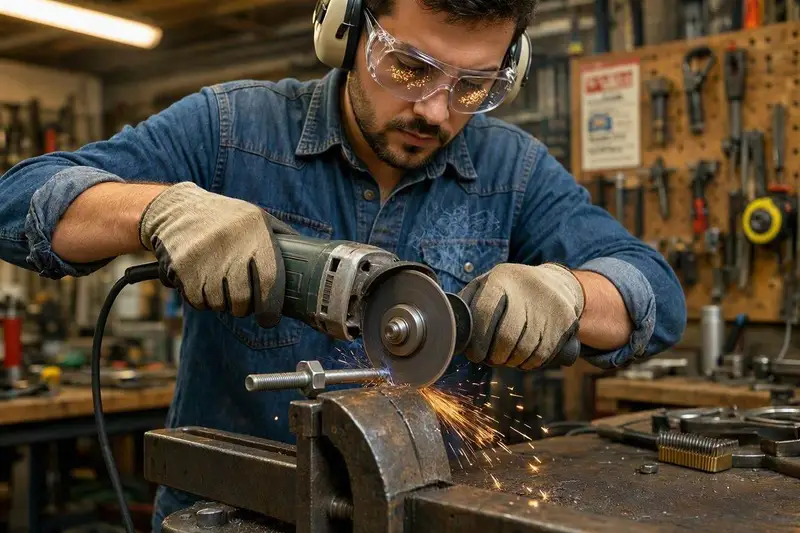
One of the One of the common uses for an angle grinder is cutting suitable metal. With the correct cutting disc, an angle grinder can be used for jobs such as:
- Cutting bolts and threaded rod
- Cutting metal brackets
- Cutting suitable steel or copper pipe
- Cutting metal rods and sections
- Cutting suitable sheet metal
A thin metal cutting disc can make relatively quick cuts through suitable metal, but the correct disc depends on the material, thickness and grinder.
Recommended accessory: Metal cutting disc suitable for the material and grinder
Always check the disc’s diameter, maximum operating speed and intended application before fitting it. Cutting discs are designed for cutting and should not be used for side grinding.
After cutting metal, the edge may be sharp or have a burr. A suitable grinding or flap disc can be used for subsequent edge preparation where appropriate.
Related guide: Cutting vs Grinding Discs
2. Grinding Down Metal (Welds, Edges, Burrs)
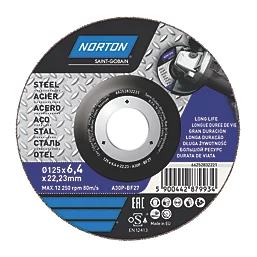
Grinding is another common use for an angle grinder. Unlike a cutting disc, a grinding disc is designed to remove material from the surface of metal rather than cut all the way through it.
Common grinding jobs include:
- Smoothing rough welds
- Removing sharp edges and burrs
- Shaping suitable metal
- Cleaning up the ends of cut metal
- Removing small amounts of excess material
If you’ve cut a piece of metal with a cutting disc, you may need to grind the edge afterwards to remove burrs or smooth any rough areas.
Recommended accessory: A suitable grinding disc designed for your angle grinder and the type of metal you’re working with.
Always check the disc’s diameter, maximum operating speed and intended application before fitting it. A cutting disc should not be used for side grinding, as it is designed for cutting rather than removing material from the side of the disc.
3. Removing Rust and Paint
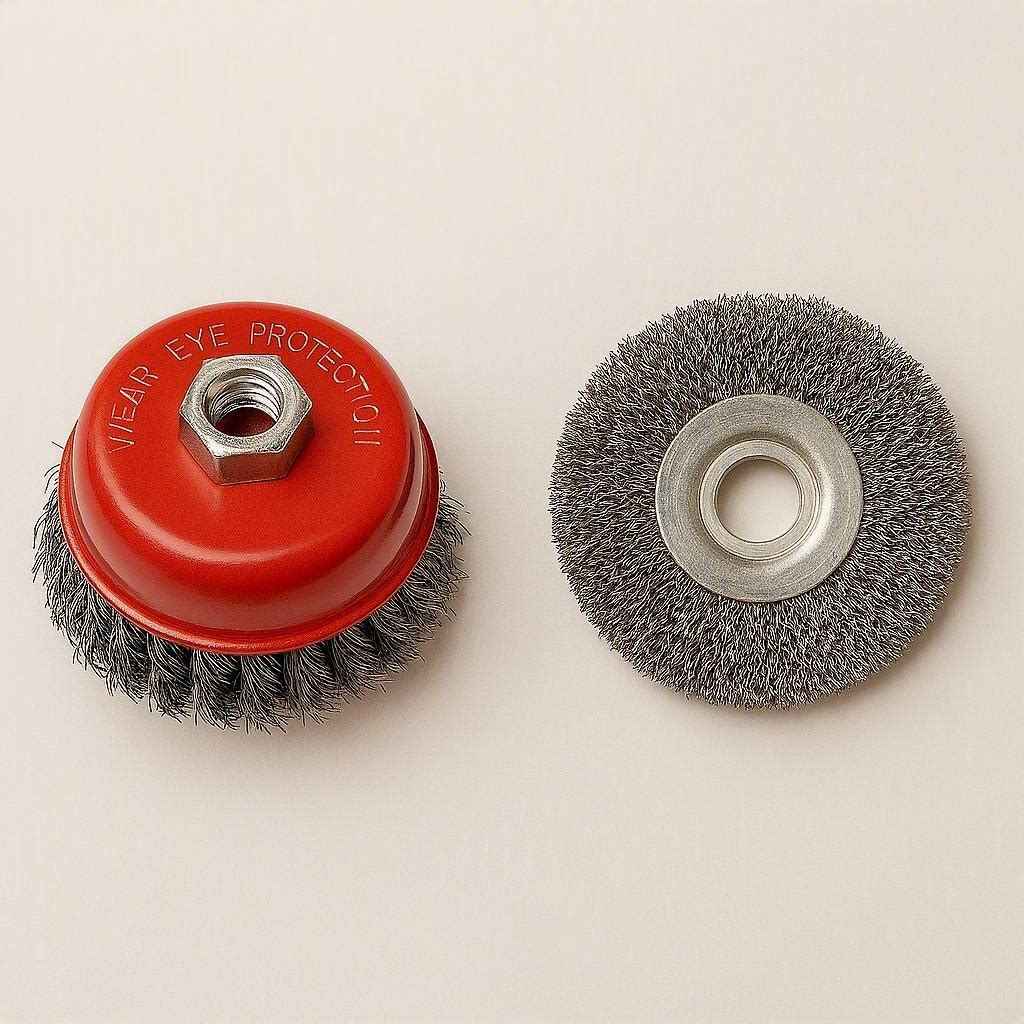
An angle grinder can be used to remove rust, loose paint and other surface coatings from suitable metal surfaces.
Common applications include:
- Metal gates
- Trailers
- Garden tools
- Car parts
- Metal furniture
- Metal brackets and frames
A wire wheel or wire cup brush can remove loose rust, paint and surface debris, helping prepare the metal for further cleaning, repair or painting.
Recommended attachment: Wire wheel or wire cup brush suitable for your angle grinder and the material being cleaned.
Wire bristles can break off during use, so wear suitable eye and face protection and follow the accessory manufacturer’s instructions. Check that the attachment is compatible with your grinder and rated for its operating speed.ush
Related guide: Angle Grinder Discs Explained
4. Smoothing and Sanding Metal (Flap Discs)
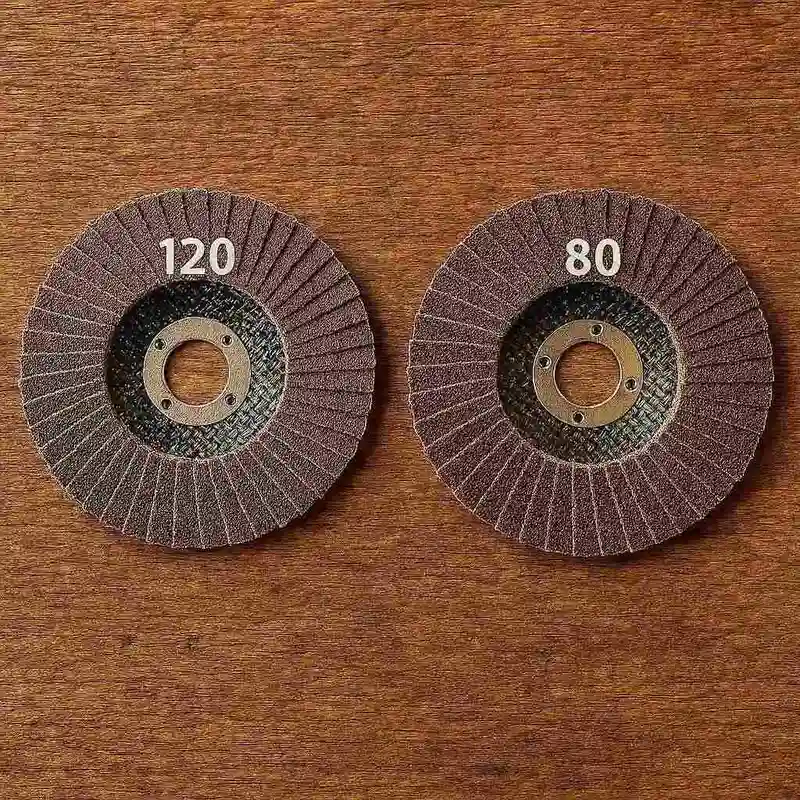
Flap discs are commonly used for smoothing and finishing metal after grinding or cutting. They consist of overlapping abrasive flaps and can remove material while also helping to produce a smoother surface.
Common uses include:
- Smoothing metal after grinding
- Removing surface imperfections
- Blending welds
- Smoothing rough or sharp edges
- Preparing metal before painting
Flap discs are available in different grit sizes. Coarser grits remove material more quickly, while finer grits are generally used for producing a smoother finish.
Recommended disc: A flap disc with a grit suitable for the amount of material you need to remove and the finish you want to achieve.
Always check the flap disc is suitable for your angle grinder, the material you’re working on and the grinder’s maximum operating speed.
5. Cutting Masonry (Bricks, Slabs, Tiles)
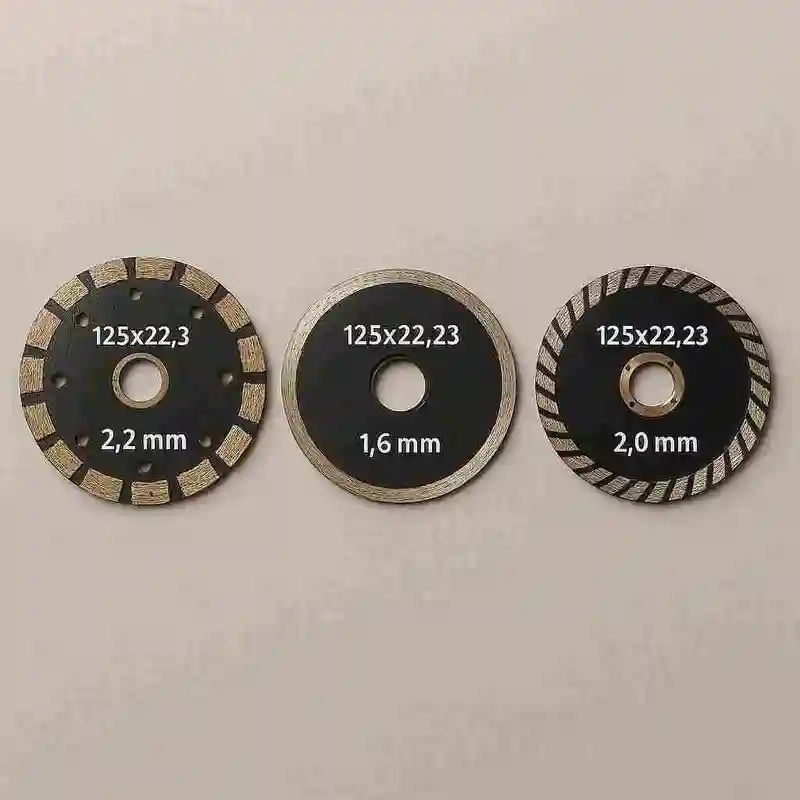
With a suitable diamond cutting disc, an angle grinder can be used to make cuts in certain masonry and tile materials.
Depending on the disc and grinder, applications can include:
- Bricks
- Paving slabs
- Concrete blocks
- Roof tiles
- Ceramic tiles
- Some other suitable masonry materials
This can be useful for smaller DIY projects where you need to make a cut or trim a piece of masonry or tile. The correct diamond disc depends on the material, so always check the manufacturer’s instructions before cutting.
Recommended disc: A diamond cutting disc suitable for the material and your angle grinder. Segmented and continuous-rim diamond discs are available for different applications.
Masonry cutting can produce a significant amount of dust and debris. Use suitable eye and face protection and appropriate respiratory protection, and follow the grinder and disc manufacturer’s safety instructions. Consider suitable dust-control measures for the material and work environment.
6. Sharpening Tools (Axes, Mower Blades, Chisels)
An angle grinder can be used to sharpen or restore the edge of some suitable tools, although it requires more control than simply removing material from a flat surface.
Possible applications include:
- Lawn mower blades
- Axes and hatchets
- Cold chisels
- Some garden tools
The correct abrasive depends on the tool and the type of edge you’re trying to create. A suitable grinding or flap disc can remove material from a dull edge, but an angle grinder can also remove material very quickly.
Work carefully and avoid excessive heat, as overheating can affect the properties of some metals. For tools where the correct sharpening angle is important, a dedicated sharpening method may provide greater control.
Recommended accessory: A suitable grinding or flap disc compatible with your angle grinder and the tool being sharpened.
Always secure the workpiece where appropriate, wear suitable eye and face protection, and follow the angle grinder and accessory manufacturer’s instructions.
7. Cleaning Up Metal Before Painting or Welding
An angle grinder can be useful for preparing metal surfaces before painting, welding or other repair work.
Depending on the condition of the metal, you may need to remove:
- Rust and surface corrosion
- Loose paint or other coatings
- Weld spatter
- Dirt and surface debris
- Rough or uneven areas
A wire wheel or flap disc can help clean and prepare suitable metal surfaces. The attachment you choose depends on whether you need to remove a coating, clean the surface or smooth the metal.
For welding, make sure the area is properly prepared and free from coatings or contaminants that could affect the work. For painting, the surface may also need further cleaning or preparation after grinding.
Recommended attachment: Wire wheel or flap disc suitable for the metal and the preparation work required.
Always check the attachment is compatible with your angle grinder and follow the manufacturer’s instructions. easy.
8. Cutting Tiles and Removing Grout
With a suitable diamond cutting disc, an angle grinder can be used for some tile-cutting and trimming jobs.
Possible applications include:
- Cutting ceramic tiles
- Trimming tile edges
- Shaping tiles around awkward corners
- Removing small amounts of grout where appropriate
A continuous-rim diamond disc can be suitable for making cleaner cuts in certain tiles, but the correct disc depends on the tile material and the manufacturer’s recommendations.
Grout removal requires particular care because it is easy to damage the surrounding tiles. Use controlled movements and avoid forcing the disc into the joint.
Recommended disc: A diamond disc suitable for the tile material and your angle grinder.
Tile cutting and grout removal can produce dust and debris, so use suitable eye and face protection and appropriate respiratory protection. Always follow the grinder and disc manufacturer’s instructions.
9. Polishing Metal (With Polishing Pads)
An angle grinder can also be used for polishing suitable metal surfaces when fitted with a compatible polishing pad and compound.
Possible applications include:
- Stainless steel
- Aluminium
- Metal furniture
- Suitable automotive metal parts
Polishing is normally carried out after the surface has been properly cleaned and prepared. The type of pad, compound and preparation required will depend on the metal and the finish you’re trying to achieve.
With the right combination of preparation, polishing pad and compound, you can produce a smoother and more reflective finish.
Recommended attachment: A polishing pad and compound specifically suitable for your angle grinder and the metal you’re working on.
Check the attachment’s maximum operating speed before use, as polishing accessories may have different speed requirements from cutting or grinding discs.
10. Removing Weld Spatter and Deburring Metal
An angle grinder can also be useful for cleaning up metal after cutting or welding.
After cutting metal, the edge can have sharp burrs or rough areas that need to be removed before the piece is handled, assembled or painted. A suitable grinding or flap disc can help smooth these edges.
When welding, an angle grinder can also be used to remove weld spatter and excess material from suitable metal surfaces.
Common applications include:
- Removing sharp burrs from cut metal
- Smoothing rough cut edges
- Removing weld spatter
- Cleaning up excess weld material
- Preparing edges for further work or painting
Recommended accessory: A suitable grinding disc or flap disc, depending on how much material needs to be removed and the finish required.
Use controlled movements and avoid removing more material than necessary. Always check that the disc is suitable for the grinder, material and application, and follow the manufacturer’s instructions.
Which Discs Should Beginners Start With?
If you’re new to angle grinders, you don’t need to buy every type of disc or accessory straight away. The right selection depends on the materials you expect to work with and the jobs you plan to do.
For general DIY, the following are useful starting points:
- Metal cutting discs – for cutting suitable metal such as bolts, brackets, rods and sections
- Grinding discs – for removing material, smoothing welds and cleaning up rough edges
- Flap discs – for smoothing, finishing and surface preparation
- Wire wheels or wire cup brushes – for removing rust, loose paint and surface coatings
- Diamond cutting discs – for cutting suitable masonry and tile materials
Disc thickness and grit vary between products, so don’t assume that one specification will suit every job. Always choose a disc or accessory that is suitable for the material, application and your particular angle grinder.
Before fitting any disc, check its diameter, maximum operating speed and intended use. Cutting discs are designed for cutting and should not be used for side grinding, while other accessories have their own specific applications.
If you’re unsure which accessory you need for a particular job, my Angle Grinder Discs Explained guide covers the main types in more detail.
🧰 Workshop Tip: Throwing heavy power tools, sharp slitting wheels, and loose hand tools casually into a garage cupboard causes accidental casing damage and invites surface rust. To protect your investment and clean up your workspace, read our complete testing review of the best mobile tool chests uk to find a rolling cabinet that can house your full collection safely.
Safety Tips for Beginners
Angle grinders are high-speed power tools, so choosing the correct accessory and using the grinder according to the manufacturer’s instructions is important.
For many angle grinder jobs, suitable personal protective equipment may include:
- Safety glasses or suitable eye protection
- Face protection, where appropriate for the task
- Hearing protection
- Suitable respiratory protection, particularly when working with materials that produce hazardous dust
- Sturdy footwear and suitable protective clothing
- Gloves, where appropriate for the particular task
Some important safety points include:
- Always use the correct guard for the accessory and application
- Check the disc or accessory for damage before use
- Make sure the accessory is suitable for the grinder, material and job
- Check the accessory’s maximum operating speed
- Hold the grinder securely and use the side handle where required by the manufacturer
- Keep the workpiece properly supported and secured
- Position yourself so you are not directly in the potential path of a disc if it fails
- Keep other people away from the immediate work area
- Switch off and disconnect the grinder before changing discs or accessories
- If the disc catches, binds or the grinder behaves unexpectedly, stop and reassess the setup
Follow the manufacturer’s instructions for starting, operating and stopping your particular grinder rather than relying on a general procedure.
For a more detailed guide, see my How to Use an Angle Grinder Safely article.
For additional guidance on the safe use of abrasive wheels, see the Health and Safety Executive (HSE) guidance on the safety of abrasive wheels, which covers portable and hand-held grinding machines and important precautions when using abrasive wheels.
Final Thoughts
An angle grinder can be a useful addition to a DIY toolkit, particularly if you regularly work with metal, need to remove rust or coatings, grind welds, prepare surfaces or cut suitable masonry materials.
However, you don’t need an angle grinder for every DIY project. Whether it is worth owning depends on the type of work you expect to carry out and the materials you normally work with.
If you’re considering buying one, our Best Angle Grinders UK (2026 Buyer’s Guide) explains the different sizes, power options, features and accessories to consider before choosing a grinder.
For jobs involving more advanced metalwork or renovation work, an angle grinder may become a particularly useful tool, but always make sure you have the appropriate grinder, accessory, PPE and experience for the task.