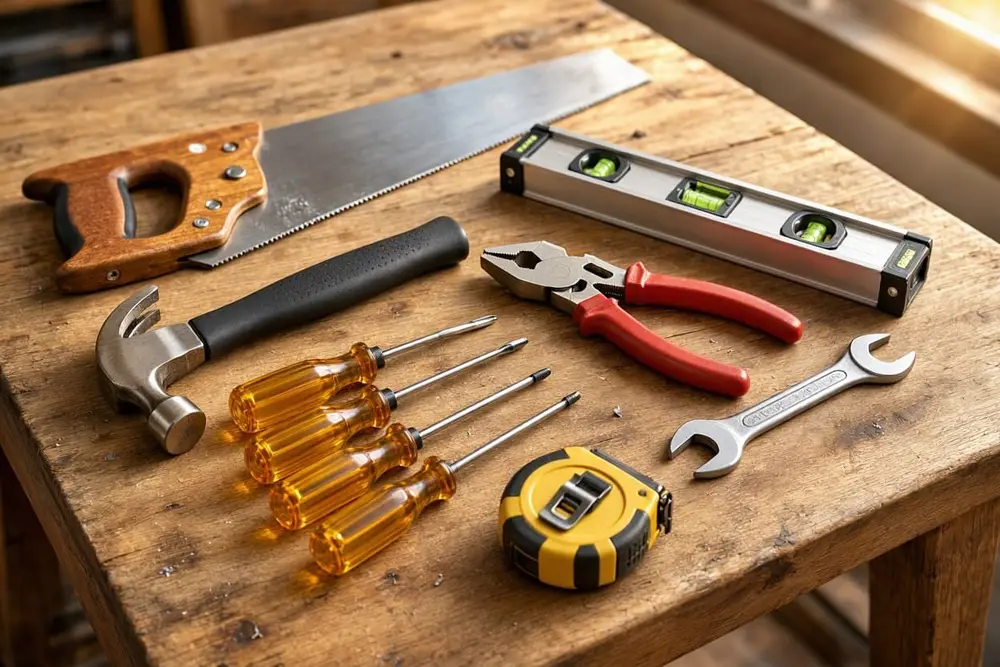
Hand tools are essential for almost every DIY project, from putting together flat-pack furniture and carrying out small repairs to woodworking and general home maintenance. Having the right tools makes jobs easier, helps you work more accurately and can save you time and frustration.
But with so many different types, sizes and designs available, knowing which hand tools to choose isn’t always straightforward. A screwdriver that fits one screw might damage another, while using the wrong type of spanner or saw can make a simple job much harder than it needs to be.
At UKToolGuide, we focus on practical advice to help you choose, use and maintain hand tools with confidence. Drawing on 50 years of hands-on experience on UK building sites and in our own workshop, our guides explain things in straightforward terms, without unnecessary jargon.
Whether you’re building your first DIY toolkit or looking for a particular tool to tackle a job around the house, you’ll find helpful advice, explanations and buying guides to help you make an informed choice.
Screwdrivers: Choosing and Using the Right Tool
Screwdrivers are among the most frequently used hand tools in any DIY toolkit, but choosing the right one is more important than you might think. Using the wrong screwdriver can damage the screw head, make the job harder and leave you struggling to remove a screw that should have come out easily.
There are several screwdriver types, sizes and designs available, each suited to different jobs. From standard flat-head and cross-head screwdrivers to precision tools for small components, understanding the differences will help you choose the right tool for the task.
Our screwdriver guides cover the basics, explain the differences between common types and offer practical solutions to everyday problems. Whether you’re choosing your first screwdriver set or dealing with a stubborn, damaged screw, these guides will help you get started.
Screwdriver Guides
- Choosing the right screwdriver — understand the different screwdriver types and how to select the right one for your job.
- Screwdriver sizes explained — learn how screwdriver sizes work and how to match the tip to the screw head.
- Screwdriver bits explained — understand common screwdriver bit types and when to use them.
- Phillips vs Pozidriv — learn how to tell these two common cross-head screw types apart.
- Precision screwdrivers explained — find out when smaller screwdrivers are needed for delicate work.
- Best screwdriver sets UK — learn what to look for when choosing a screwdriver set for home DIY.
- How to remove a stripped screw — explore practical ways to remove a screw with a damaged head.
- VDE insulated screwdrivers explained — understand what insulated screwdrivers are designed for and their role in electrical safety.
Other Essential Hand Tools
Although screwdrivers are an important part of any toolkit, there are plenty of other hand tools that make everyday DIY jobs easier. The tools you need will depend on the work you’re planning, but a few basic types are useful for most homes and workshops.
Hammers
Hammers are used for tasks such as driving nails, assembling timber projects and carrying out general repairs. Choosing the right hammer depends on the job, the material you’re working with and how much control you need.
Handsaws
A handsaw is a simple, useful option for cutting timber without needing a powered tool. Different saw designs suit different materials and types of cut, so it’s worth understanding the options before choosing one.
Pliers and Cutters
Pliers help you grip, hold, bend and manipulate materials, while cutters are designed for cutting particular types of wire or other suitable materials. The right design depends on the task, and some jobs require a tool specifically made for the material involved.
Spanners and Wrenches
Spanners are used to tighten and loosen nuts and bolts. They come in different sizes and designs, including open-ended, ring and adjustable types. Using the correct size helps provide a secure grip and reduces the risk of damaging the fastener.
Measuring and Marking Tools
Accurate measuring and marking are important in almost every DIY project. Tape measures, spirit levels, squares and marking tools help you measure distances, check alignment and mark out cuts before work begins.
As UKToolGuide expands, we’ll add more practical guides to help you choose these tools, understand how they work and use them correctly.
Choosing the Right Hand Tools for DIY
If you’re building your first DIY toolkit, you don’t need to buy every hand tool available. It’s usually better to start with a small selection of reliable tools that cover the jobs you’re most likely to tackle.
A basic toolkit might include:
- A set of screwdrivers covering common flat-head and cross-head screw types
- A claw hammer for general household and woodworking tasks
- A tape measure for measuring lengths and distances
- A spirit level for checking whether surfaces are level
- A combination square for measuring and marking right angles
- Pliers for gripping and holding materials
- A suitable handsaw for cutting timber
- An adjustable spanner for occasional nuts-and-bolts work
The tools you need will depend on your projects, so think about the jobs you expect to do before spending money on specialist equipment.
Quality, comfort and suitability matter more than simply buying the biggest set. Tools should feel comfortable in your hand, be appropriate for the work and be made well enough to stand up to regular use. You can always add more tools as your skills and projects develop.
It’s also worth looking after your tools. Keep them clean and dry, store them properly and check them for wear or damage. Well-maintained hand tools can provide years of useful service.
Practical Hand Tool Advice from UKToolGuide
Choosing the right hand tool is only part of the job. Knowing how to use it correctly can make a real difference to the quality of your work and help you avoid common mistakes.
UKToolGuide aims to make hand tools easier to understand, whether you’re a beginner putting together your first toolkit or a DIY enthusiast looking for advice on a particular job. Our guides focus on practical explanations, straightforward comparisons and useful buying advice for UK readers.
For further information on working safely in a workshop, the Health and Safety Executive provides guidance on woodworking safety.
Explore our hand tool guides to learn more about the tools available, understand the differences between them and choose the right equipment for your next project.