Angle grinders are one of the most useful and versatile power tools you can own. Whether you’re cutting metal, removing rust, sharpening tools, or cleaning up rough edges, an angle grinder can handle dozens of DIY tasks with ease.
If you’re new to DIY, this guide walks you through the most common angle grinder uses, the discs you’ll need, and the safest way to get started.
I would recommend reading my article on the best angle grinders for beginners in the UK, if you don’t own and are considering buying one.
1. Cutting Metal (Bolts, Rods, Pipes, Brackets)
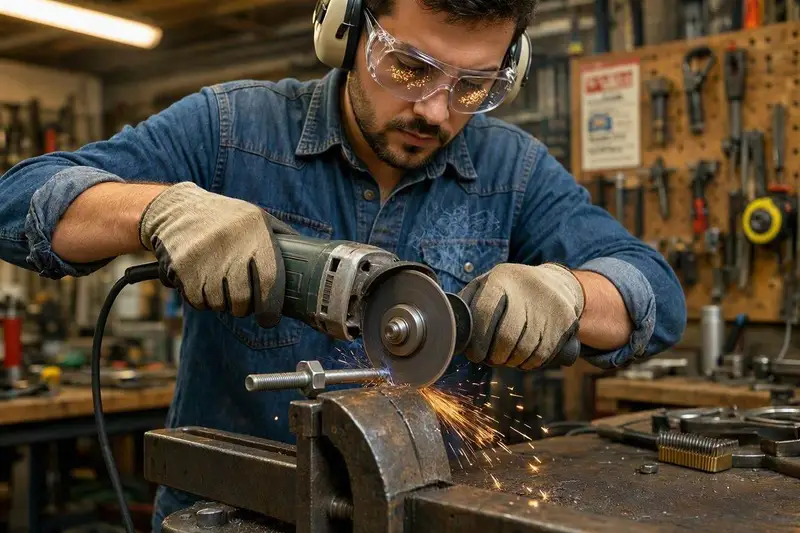
One of the most popular uses for an angle grinder is cutting metal. With a thin 1–2mm cutting disc, you can slice through:
- Rusted bolts
- Metal brackets
- Steel rods
- Copper or steel pipes
- Sheet metal
It’s fast, clean, and ideal for home repairs or small fabrication jobs.
Recommended disc: Thin metal cutting disc (1–1.2mm)
Related guide: Cutting vs Grinding Discs
2. Grinding Down Metal (Welds, Edges, Burrs)
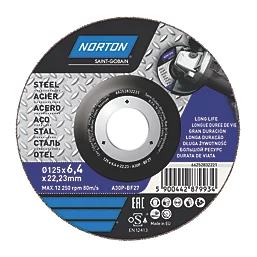
Grinding discs are thicker and designed to remove material, not slice through it.
Common grinding tasks include:
- Smoothing rough welds
- Removing sharp edges
- Shaping metal
- Cleaning up cut ends
If you’ve cut metal with a thin disc, you’ll often follow up with a grinding disc to tidy the edge.
Recommended disc: Thick grinding disc (6mm+)
3. Removing Rust and Paint
Angle grinders are excellent for rust removal, especially on:
- Gates
- Trailers
- Garden tools
- Car parts
- Metal furniture
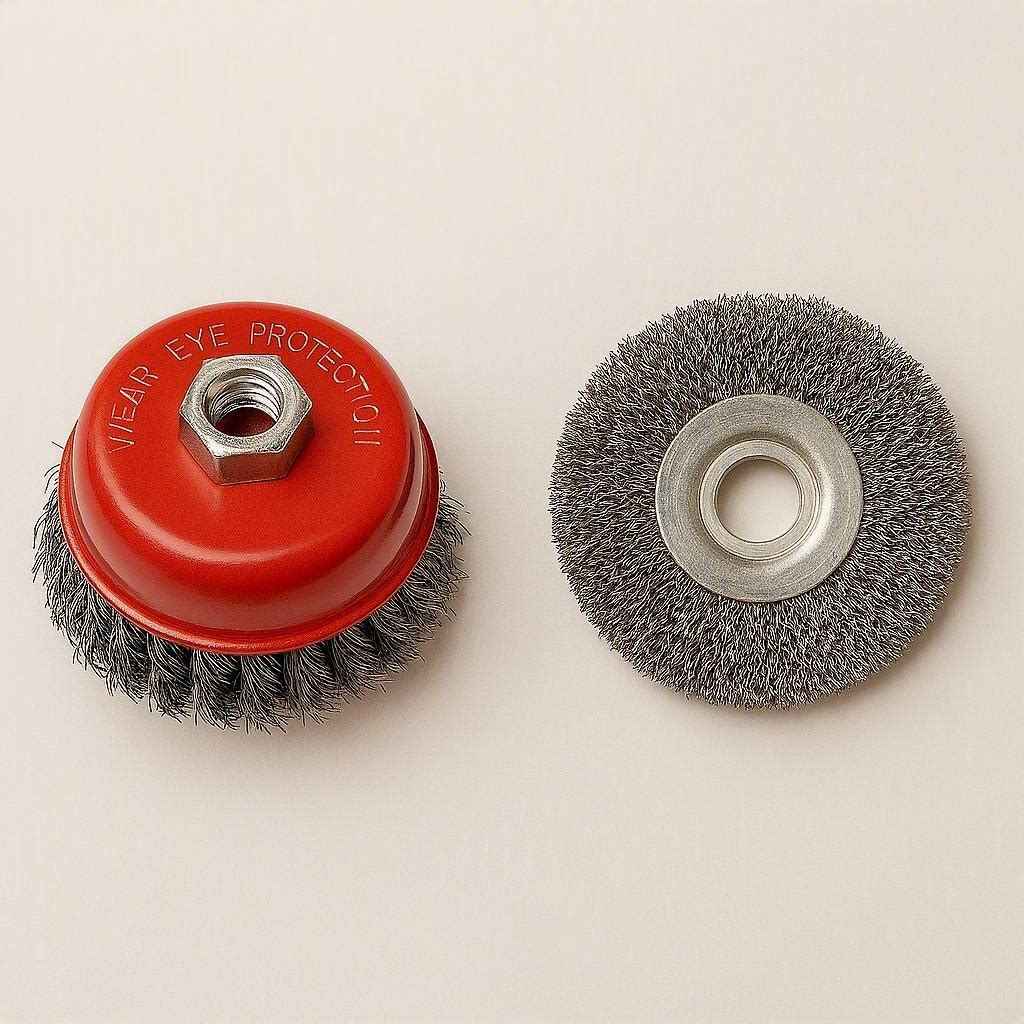
Use a wire wheel or wire cup brush to strip away rust and old paint quickly.
Recommended attachment: Wire wheel or wire cup brush
Related guide: Angle Grinder Discs Explained
4. Smoothing and Sanding Metal (Flap Discs)
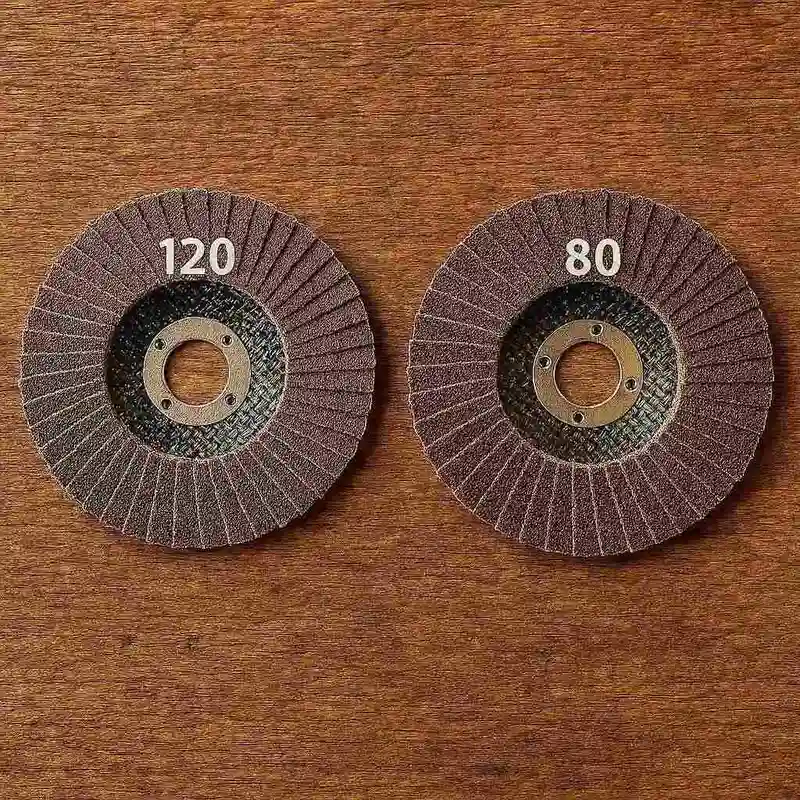
Flap discs are perfect for beginners because they’re gentler and more forgiving than grinding discs.
Use them for:
- Smoothing metal after grinding
- Removing paint without gouging
- Blending welds
- Cleaning up rough edges
They’re ideal for finishing work.
Recommended disc: 40–120 grit flap disc
5. Cutting Masonry (Bricks, Slabs, Tiles)
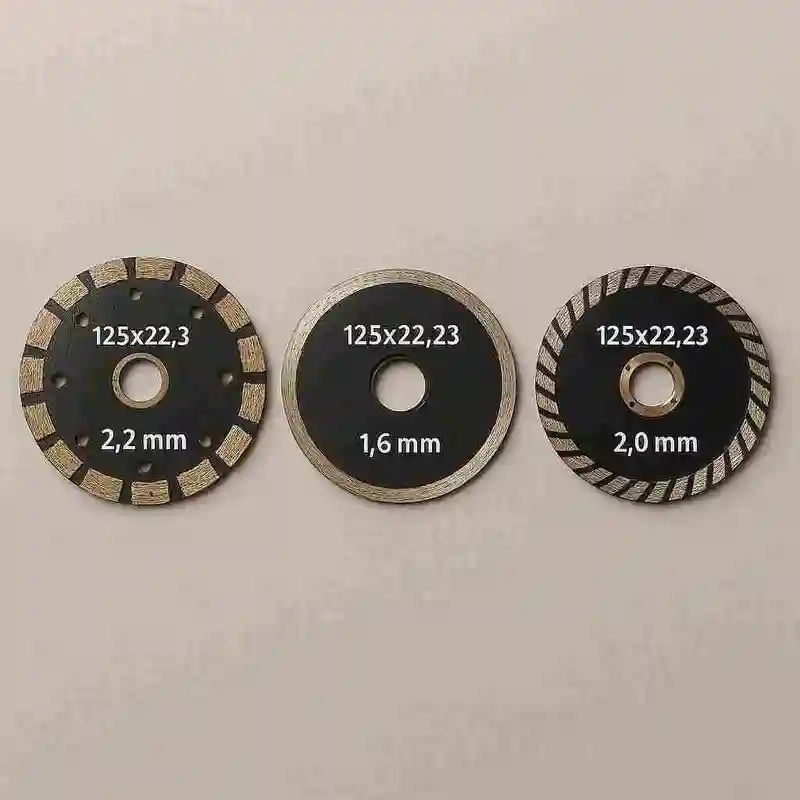
With a diamond blade, your angle grinder becomes a mini masonry saw.
You can cut:
- Bricks
- Paving slabs
- Roof tiles
- Concrete blocks
- Ceramic tiles
This is extremely useful for garden projects and small home improvements.
Recommended disc: Diamond cutting blade (segmented or continuous rim)
6. Sharpening Tools (Axes, Mower Blades, Chisels)
Angle grinders are great for sharpening:
- Lawn mower blades
- Axes
- Hatchets
- Cold chisels
- Garden shears
Use a grinding disc or flap disc and work slowly to avoid overheating the metal.
Recommended disc: Flap disc (60–80 grit)
7. Cleaning Up Metal Before Painting or Welding
Before painting or welding, metal needs to be:
- Clean
- Rust‑free
- Smooth
- Free from old coatings
A flap disc or wire wheel makes surface prep fast and easy.
8. Cutting Tiles and Removing Grout
With the right blade, you can:
- Cut ceramic tiles
- Trim edges
- Remove grout
- Shape tiles for awkward corners
This is ideal for bathroom or kitchen DIY.
Recommended disc: Diamond blade (continuous rim)
9. Polishing Metal (With Polishing Pads)
You can polish:
- Stainless steel
- Aluminium
- Car parts
- Metal furniture
Use a polishing pad and compound for a mirror finish.
Recommended attachment: Polishing pad + compound
Which Discs Should Beginners Start With?
If you’re new to angle grinders, start with these essentials:
- Metal cutting discs (1–1.2mm)
- Grinding disc (6mm)
- Flap discs (60–120 grit)
- Wire wheel
- Diamond blade (for masonry)
These cover 95% of beginner DIY tasks.
🧰 Workshop Tip: Throwing heavy power tools, sharp slitting wheels, and loose hand tools casually into a garage cupboard causes accidental casing damage and invites surface rust. To protect your investment and clean up your workspace, read our complete testing review of the best mobile tool chests uk to find a rolling cabinet that can house your full collection safely.
Safety Tips for Beginners
Angle grinders are safe when used correctly. Always wear:
- Safety glasses
- Gloves
- Ear protection
- Dust mask (especially for masonry)
And follow these rules:
- Let the disc reach full speed before cutting
- Hold the grinder with both hands
- Never use a damaged disc
- Stand slightly to the side of the disc
- Always use the guard
You should also check out my article on how to use an angle grinder safely.
As you can see, an angle grinder is an essential tool for the trades in the UK. When it comes to home owners and DIY, it is an optional purchase in my opinion. All basic DIY can be completed without an angle grinder. Most medium DIY jobs also don’t need one.
💡 Fabricator’s Tip: Using a slitting disc on steel always leaves sharp, uneven burrs along the cut path. Before trying to weld or paint the material, you need to clean those edges up properly. Check out our step-by-step guide on how to debur metal cuts safely using essential engineer’s files and swivel blades for a clean, trade-quality finish.
It might also be worth reading the top 5 angle grinders UK article I have written if you want to have more choices of which one to buy.
However, if you want to take on advanced or trickier renovation style work, then an angle grinder is an essential purchase.