By Enda McLarnon — Experienced UK DIYer sharing practical fixes from my 1958 red brick home.
If you have ever tried driving a box of 100mm decking screws with a standard combi drill, you know the struggle: halfway through, the drill stalls, your wrist twists painfully, or the screwdriver bit cams out and chews the screw head to pieces.
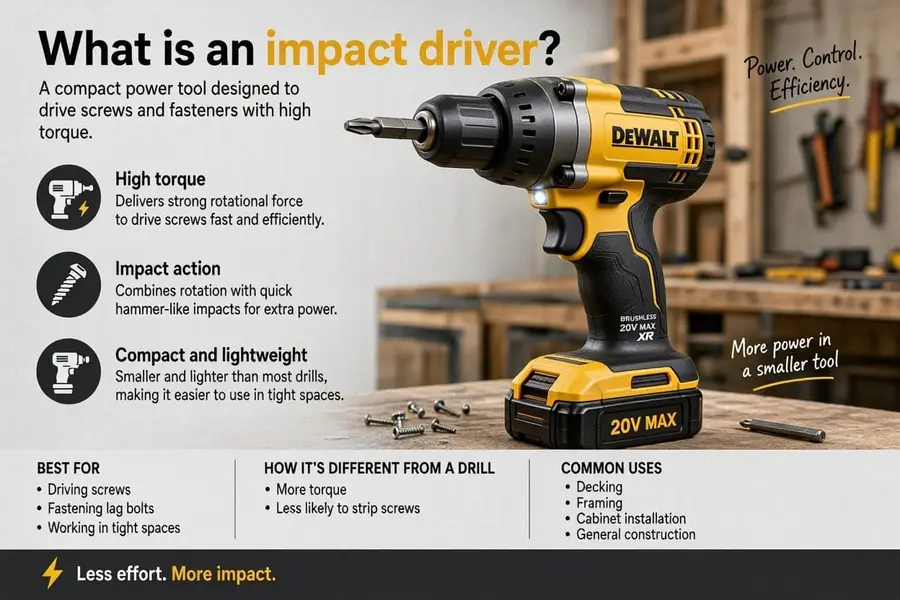
Enter the impact driver. Compact, lightweight, and packed with rotational hammering power, an impact driver is designed specifically for driving long screws, coach bolts, and stubborn fasteners into dense timber without straining your wrist.
Whether you are trying to decide if you actually need one alongside your combi drill or looking to troubleshoot a jammed collet in the shed, this complete UK DIY guide breaks down how impact drivers work and points you to our in-depth workshop guides.
1. What Is an Impact Driver (and How Does It Work)?
Unlike a standard drill that relies purely on continuous motor rotation, an impact driver uses a spring-loaded internal hammer and anvil mechanism.
When the tool encounters resistance—such as a long screw biting deep into a timber joist—the internal mechanism delivers rapid rotational concussive blows (typically 2,500 to 3,500 impacts per minute) in the direction the screw is turning.
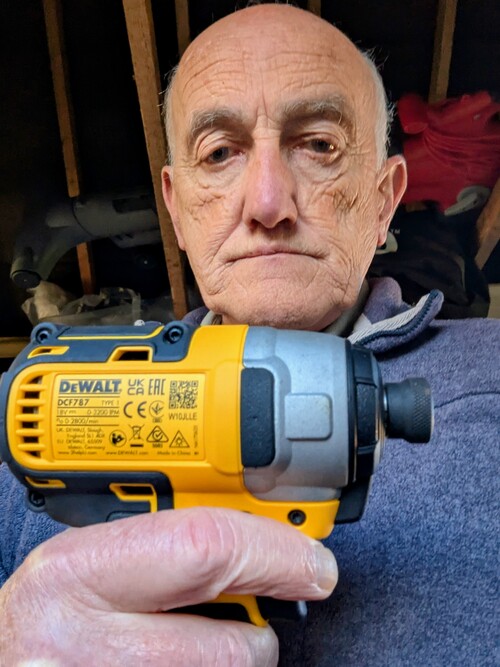
- Zero Wrist Twist: Because the hammering force happens in short rotational bursts rather than constant motor torque, almost none of that twisting kickback transfers back into your hand.
- No Cam-Out: The downward and rotational impact keeps the driver bit seated firmly inside the screw head, preventing it from slipping out.
- Quick-Release 1/4-Inch Hex Collet: Instead of a three-jaw keyless chuck like a drill, an impact driver uses a quick-release 1/4-inch hexagonal collet designed exclusively for hex-shank bits.
2. Impact Driver vs. Combi Drill vs. Impact Wrench
One of the biggest sources of confusion for UK DIY beginners is understanding how an impact driver differs from the other rotary tools on the shelf at Screwfix or B&Q.
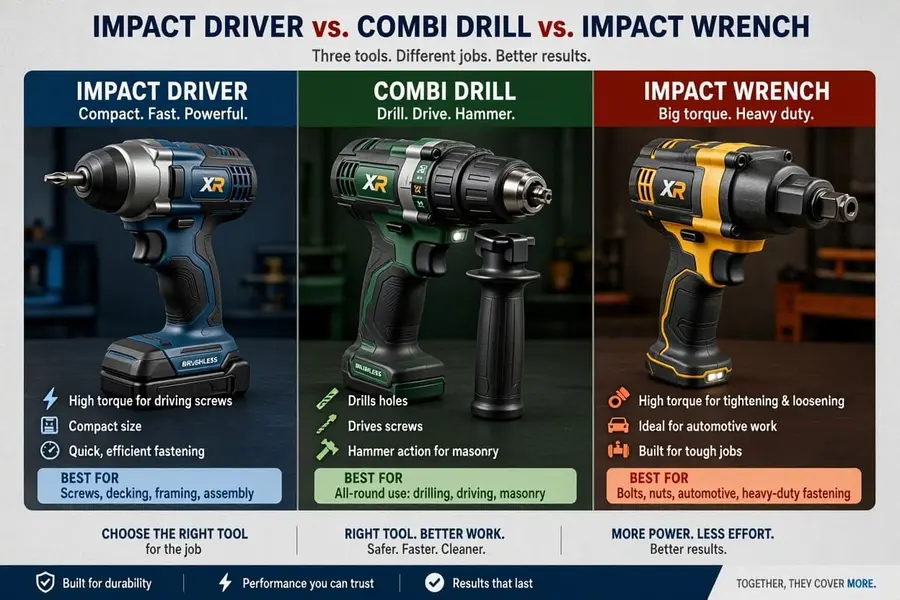
- Combi Drill / Drill Driver: Built primarily for drilling holes (wood, metal, masonry) and driving small-to-medium screws using an adjustable torque clutch.
- Impact Driver: Built primarily for driving long screws and fasteners at high torque using a 1/4″ hex collet.
- Impact Wrench: A heavier, high-torque automotive and structural tool fitted with a 1/2-inch or 3/8-inch square drive for sockets and heavy nuts/bolts.
Deep-Dive Comparisons:
- Not sure which tool to buy first? Read our full breakdown: Combi Drill vs Drill Driver vs Impact Driver: Which Do You Need? (Insert your URL)
- Confused about automotive and heavy socket work? Check out: Impact Driver vs Impact Wrench: Can You Use Sockets on an Impact Driver? (Insert your URL)
3. What Can (and Can’t) You Do With an Impact Driver?
Because impact drivers generate serious rotational force—often between 150Nm and 200Nm+ on modern 18V brushless models—it is crucial to understand their real-world limits before you start a project.
Where It Excels:
- Building garden decking, pergolas, raised beds, and timber framing.
- Driving 75mm to 150mm wood screws without pre-drilling pilot holes in softwood.
- Removing rusted, painted-over, or stubborn screws that a normal drill simply rounds off.
Where You Should Be Careful:
- Delicate Assembly & Plasterboard: Without a mechanical clutch, an impact driver will easily overdrive screws straight through plasterboard or split thin furniture panels.
- Heavy Automotive Lug Nuts: While an impact driver can spin off light bolts with a hex-to-square adapter, wheel lug nuts generally require a dedicated impact wrench.
Real-World Testing & Limits:
- Curious about automotive limits? See our hands-on test: Can an Impact Driver Remove Car Wheel Lug Nuts? (Real Test & Limits) (Insert your URL)
- Thinking about boring holes? Read our safety guide first: Can You Use Regular Drill Bits in an Impact Driver? (Safety & Risk) (Insert your URL)
4. Essential Bit & Accessory Rules
To get the best performance out of an impact driver—and avoid snapping bits mid-job—follow two simple workshop rules:
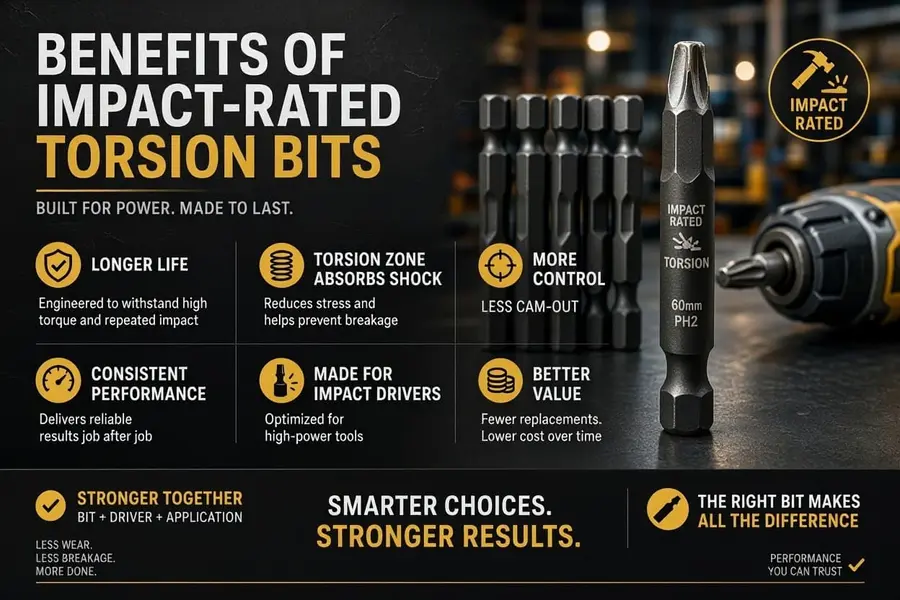
- Always Use Impact-Rated Bits: Standard chrome-vanadium screwdriver bits are too brittle for the rotational hammering of an impact driver and can shatter. Look for impact-rated torsion bits (such as DeWalt Extreme Impact, Makita Impact Black, or Wera Impaktor) which have a flexible torsion zone to absorb shock.
- Stick to 1/4-Inch Hex Shanks: Never try to force round-shank drill bits into an impact driver collet. Only use accessories with a proper grooved 1/4″ hex shank that locks securely into the detent ball.
5. Common Impact Driver Problems & Quick Fixes
Even the best impact driver can give you grief if you use the wrong technique or neglect basic collet maintenance. If you run into trouble mid-project, jump straight to our troubleshooting guides:
- Chewing up screw heads? Learn how trigger control, bit selection, and downward pressure solve cam-out in Why Does My Impact Driver Keep Stripping Screws? (5 Easy Fixes) (Insert your URL).
- Accessory jammed in the nose? Never reach for pliers first—follow our step-by-step release method in Why Is My Impact Driver Bit Stuck? (How to Release It Safely) (Insert your URL).
6. Key Features to Look For When Buying
If you are ready to add an impact driver to your tool bag, keep these four specs in mind:
- 18V Platform Compatibility: If you already own an 18V combi drill (Makita LXT, DeWalt XR, Bosch Professional, Ryobi ONE+), buy a bare tool in the same brand to share your existing batteries and charger.
- Brushless Motor: Brushless impact drivers run cooler, deliver higher torque in a shorter body length, and give noticeably longer runtime per battery charge.
- Multi-Speed / Mode Control: Having a 3-speed selector switch (or precision drive mode) lets you dial down the power for smaller screws so you don’t snap heads off.
- Tri-LED Ring Light: A front-facing LED halo around the collet eliminates shadows when working inside dark kitchen cabinets or under floorboards.
Ready to Compare Top Models?
Now that you know how impact drivers work and what features matter for UK DIY, head over to our hands-on product showroom to compare our top-tested cordless picks across budget and trade-grade platforms:
👉 5 Best Impact Drivers for DIY UK (2026 Cordless Picks)
My Impact Driver Series of Articles
Pre-Purchase & Comparisons (The Decision Phase):
- Combi Drill vs Drill Driver vs Impact Driver: Which Do You Need?
- 5 Best Impact Drivers for DIY UK (2026 Cordless Picks)
Practical Usage & Technique (The How-To Phase):
- Can You Use Regular Drill Bits in an Impact Driver? (Safety & Risk)
- Impact Driver vs Impact Wrench: Can You Use Sockets on an Impact Driver?
- Can an Impact Driver Remove Car Wheel Lug Nuts? (Real Test & Limits)
Troubleshooting & Maintenance (The Problem-Solving Phase):
- Why Does My Impact Driver Keep Stripping Screws? (5 Easy Fixes)
- Why Is My Impact Driver Bit Stuck? (How to Release It Safely)
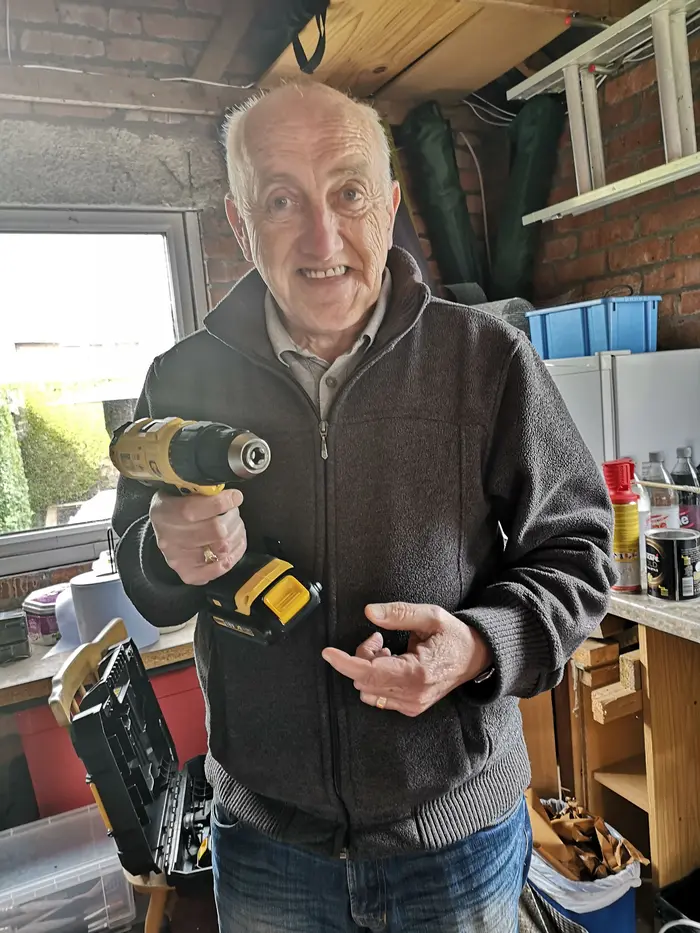
About the Author: Enda McLarnon
I’m an experienced UK DIYer tackling renovation life inside a 1958 red brick home.
I built this blog to help beginners conquer home maintenance anxiety and save a fortune on expensive trade calls.