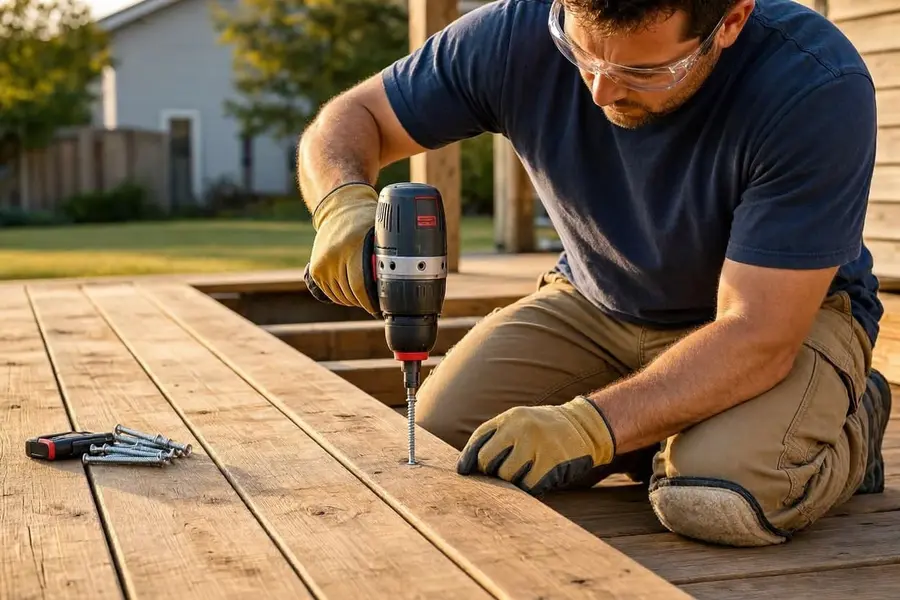
If you have ever tried driving long decking screws or heavy structural coach bolts with a standard combi drill, you know the frustration. The drill wrist-torques backwards violently. The bit slips out of the screw head constantly. You end up with stripped fixings, ruined timber, and bruised knuckles.
An cordless impact driver solves this completely. By combining continuous rotation with thousands of rapid radial hammer strikes per minute, an impact driver drives long fasteners into solid timber effortlessly. Best of all, it transfers zero harsh kickback torque to your wrist.
As a Keen DIYer who runs a DeWalt 18V XR impact driver regularly on my workbench, I know exactly what makes a driver great—and what makes it a total headache on a busy Saturday afternoon. I have used that hands-on experience to review the five best cordless impact drivers available on Amazon UK, comparing real-world torque control, battery systems, and value for money.
Disclosure: As an Amazon Associate, I earn from qualifying purchases made through links on this page. If you buy a tool through my links, it costs you nothing extra, but the small commission helps me keep this site running.
Quick Summary: Top Picks at a Glance
| Tool & Model | Battery Platform | Max Torque | Speed Modes | Best For |
| DeWalt DCF850N / DCF852N | 18V XR Li-Ion | 205 Nm | 3-Speed Selector | Best Overall All-Rounder |
| Makita DTD152Z | 18V LXT Li-Ion | 165 Nm | Variable Trigger | Best Value for Makita Users |
| Bosch GDR 18V-200 | 18V Professional | 200 Nm | 2-in-1 Bit / Socket Head | Best Compact Ergonomics |
| Parkside 20V Performance | 20V Team / Pass | 226 Nm | Smart App / Digital | Best Ultra-Budget DIY Pick |
| Milwaukee M12 FID2 | 12V Fuel System | 170 Nm | 4-Mode Drive Control | Best Compact 12V Precision |
Detailed Reviews: The 5 Best Impact Drivers UK
1. DeWalt DCF850N 18V XR Brushless Ultra-Compact Impact Driver
Award: Best Overall Cordless Impact Driver UK
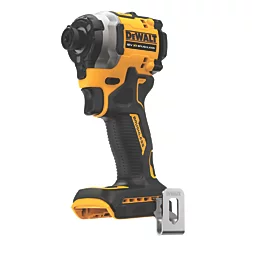
The DeWalt DCF850N (and its companion models in the 18V XR range) sets the modern standard for compact power. Measuring just 100mm in head length from front collet to back housing, it fits into tight joist spaces and cabinet corners where traditional drills cannot even enter.
Despite its tiny footprint, its brushless motor pushes out an impressive 205 Nm of torque. Because this is my daily driver in the workshop, I can vouch for its raw power.
It drives heavy structural screws into treated timber without breaking a sweat. Crucially for DIYers, it features a 3-mode speed switch on the foot. Mode 1 (“Precision Drive”) pauses for a full second before the internal hammers kick in, preventing delicate screw heads from snapping or sinking too deep into soft timber.
Key Specifications:
- Power Source: DeWalt 18V XR Battery System (Body Only)
- Max Torque: 205 Nm
- No-Load Speed: 0 – 3,250 RPM
- Impact Rate: 0 – 3,800 IPM
- Tool Length: 100 mm
- Weight: 0.9 kg (Bare tool)
Pros & Cons
| Pros | Cons |
| Extremely short 100mm body head gets into tight joist gaps | Bare tool packaging requires existing DeWalt 18V batteries |
| Precision Drive mode stops screw heads stripping in softwood | High torque can easily overpower budget PH/PZ bits |
| Halo 3-LED work ring eliminates shadows around the chuck |
2. Makita DTD152Z 18V LXT Cordless Impact Driver
Award: Best Value for Makita 18V LXT Battery Users
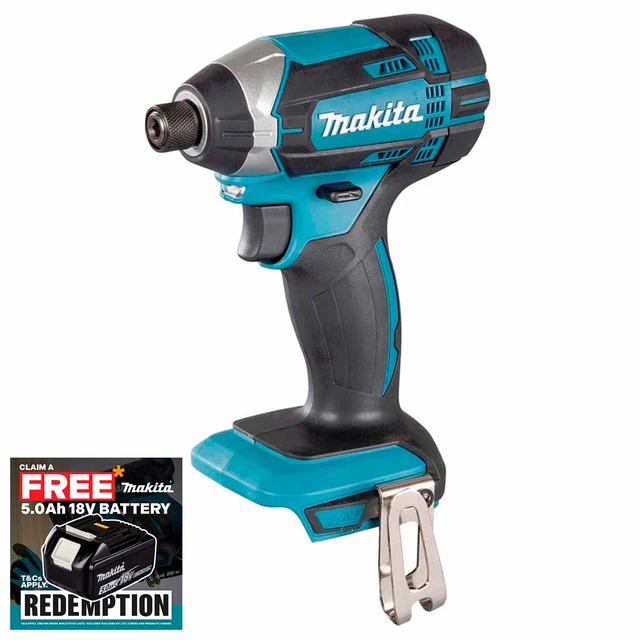
The Makita DTD152Z is one of the most widely owned impact drivers across UK jobsites and home workshops. While it uses a traditional brushed motor layout, its bulletproof mechanical design and accessible price tag make it an unbeatable entry point into 18V power.
Delivering 165 Nm of torque, it handles garden decking, timber fencing, and basic frame assembly easily. Compared to my DeWalt, it has a slightly longer head profile, but the ergonomic rubberized grip is arguably the most comfortable in the hand for long workdays. The variable speed trigger allows smooth, gradual feathering when starting screws into slick materials.
Key Specifications:
- Power Source: Makita 18V LXT Battery System (Body Only)
- Max Torque: 165 Nm
- No-Load Speed: 0 – 2,900 RPM
- Impact Rate: 0 – 3,500 IPM
- Weight: 1.3 kg (With 5.0Ah battery)
Pros & Cons
| Pros | Cons |
| Highly affordable body-only price for existing Makita users | Brushed motor uses battery power slightly faster |
| Twin LED headlights illuminate workspace well | Lacks dedicated digital speed selector switch |
| Proven long-term durability in tough site conditions | Slightly longer body head than modern sub-compact models |
3. Bosch Professional GDR 18V-200 Brushless Impact Driver
Award: Best Compact Ergonomics
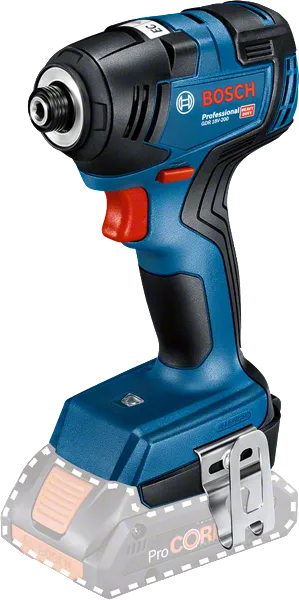
The Bosch Professional GDR 18V-200 combines high power output (200 Nm) with one of the most comfortable, well-balanced handles on the market. Powered by Bosch’s EC brushless motor, it stays cool during continuous heavy screwing sessions.
With a head length of just 126mm, it delivers an excellent head-to-torque ratio. While testing it alongside my DeWalt, I noticed that the soft-grip handle absorbs a massive amount of high-frequency housing vibration. This makes it an ideal choice for massive renovation projects where you are driving hundreds of screws daily and want to avoid hand fatigue.
Key Specifications:
- Power Source: Bosch Professional 18V System (Body Only)
- Max Torque: 200 Nm
- No-Load Speed: 0 – 3,400 RPM
- Impact Rate: 0 – 4,000 IPM
- Weight: 1.1 kg (Bare tool)
Pros & Cons
| Pros | Cons |
| Brushless motor provides great runtime per battery charge | Reversing switch can feel slightly stiff when wearing thick gloves |
| Excellent balance when fitted with compact 2.0Ah/4.0Ah batteries | Premium unit price compared to DIY retail brands |
| Variable speed trigger offers refined control | — |
4. Parkside 20V Performance Cordless Impact Driver (PASP Series)
Award: Best Ultra-Budget DIY Pick
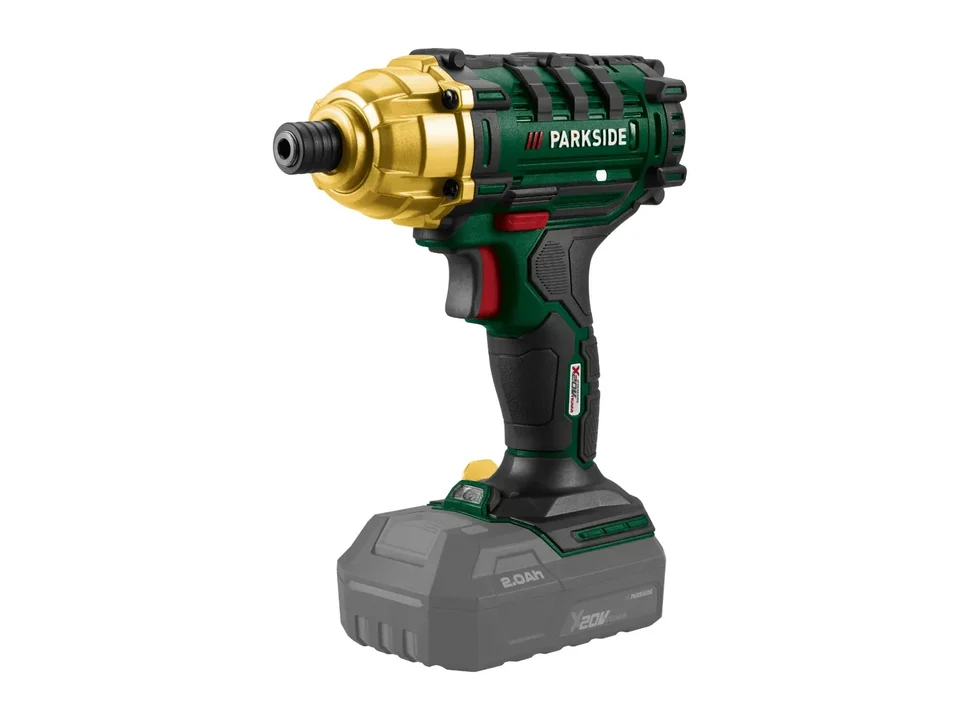
For homeowners and occasional DIYers who want high-torque output without spending trade-level money on a bare unit, Lidl’s premium Parkside Performance 20V range offers remarkable value.
Do not confuse the “Performance” line with the standard green Parkside tools. Equipped with a brushless motor delivering a massive 226 Nm of torque, it actually beats most trade machines on raw paper specs. It accepts standard 1/4″ hex shank bits and features digitally selectable torque modes on the foot panel. It is heavier and noticeably bulkier than my DeWalt driver, but it makes light work of thick garden sleepers and heavy timber pergolas.
Key Specifications:
- Power Source: Parkside 20V Team / Performance Battery
- Max Torque: 226 Nm
- No-Load Speed: 0 – 3,600 RPM
- Impact Rate: 0 – 4,300 IPM
- Weight: 1.3 kg
Pros & Cons
| Pros | Cons |
| Unbeatable price-to-torque ratio for home DIY projects | Heavier and bulkier than 12V or compact 18V trade drivers |
| Brushless motor design provides impressive battery life | Supermarket stock availability can be inconsistent |
| 1/4″ quick-release hex collet holds standard UK bit shanks | — |
5. Milwaukee M12 FID2 Fuel 12V Sub-Compact Impact Driver
Award: Best Compact 12V Precision
Do not let the 12V rating fool you: the Milwaukee M12 FID2 Fuel pushes out 170 Nm of torque while running on a lightweight 12V battery pack housed inside the handle grip.
It features Milwaukee’s 4-Mode Drive Control. This includes a brilliant, dedicated self-tapping screw mode that stops driving automatically the exact millisecond a screw seats flush. This completely prevents you from stripping sheet metal or splitting delicate timber finishes. Weighing under 1kg with a compact battery attached, it is the absolute king for overhead ceiling work, electrical installations, and working in tight boiler cupboards.
Key Specifications:
- Power Source: Milwaukee M12 Battery System
- Max Torque: 170 Nm
- No-Load Speed: 0 – 3,600 RPM
- Impact Rate: 0 – 4,000 IPM
- Weight: 0.9 kg (With battery)
Pros & Cons
| Pros | Cons |
| Ultra-lightweight system reduces arm fatigue completely | Requires Milwaukee M12 battery chargers and packs |
| Dedicated self-tapping screw mode prevents over-tightening | Higher initial entry cost for new users |
| Superior ergonomics for overhead ceiling work |
UK Buyer’s Guide: How to Choose the Right Impact Driver
When choosing an impact driver for UK DIY tasks, keep these three essential features in mind:
1. Max Rotational Torque (Nm) vs Speed Control
- 130 Nm – 160 Nm: Plenty of power for general cabinet assembly, plasterboard screws, and standard 50mm wood screws.
- 170 Nm – 220+ Nm: Necessary for long 100mm+ decking screws, coach screws, and heavy timber garden sleepers.
- Speed Selection: Always look for a tool with a multi-speed switch (or a featherable variable trigger) so you can turn down the power on delicate jobs.
2. 1/4″ Hex Shank Bits: Standard vs Impact-Rated
An impact driver will instantly shatter cheap, standard screwdriver bits! Always use genuine, impact-rated torsion bits designed with a flexible waist that absorbs high-torque spikes. If you keep stripping screw heads or snapping tips, read my troubleshooting guide on Why Does My Impact Driver Keep Stripping Screws? (5 Easy Fixes).
3. Battery Ecosystem Compatibility
If you already own 18V batteries for a combi drill from DeWalt, Makita, or Bosch, buy a “Body Only” (Bare Unit) model from the same brand. This saves you £50–£100 per tool by reusing your existing batteries and charger.
Frequently Asked Questions (FAQ)
What is the difference between an impact driver and a combi drill?
A combi drill uses continuous, smooth rotation to drill holes into wood, metal, or masonry. It features a adjustable clutch to control depth. An impact driver uses a rapid internal hammering mechanism to deliver rotational blows. It is built specifically to drive large, stubborn fasteners without slipping or kicking back against your wrist.
Can I use standard drill bits in an impact driver?
No. Standard HSS drill bits feature smooth, round shanks that cannot lock into an impact driver’s 1/4″ hex collet. Furthermore, standard steel is too brittle and will snap under the tool’s heavy hammering mechanism. For a full breakdown of the safety hazards, read my guide: [Can You Use Regular Drill Bits in an Impact Driver?].
Can I use standard sockets to work on my car with an impact driver?
You can use sockets only if you use a 1/4″ hex-to-square adapter. However, you must avoid using standard, shiny chrome hand sockets, as they can shatter under impact force. For the proper safety rules, see my guide: [Impact Driver vs Impact Wrench: Can You Use Sockets on an Impact Driver?].
Will an impact driver remove car wheel lug nuts?
Only on correctly torqued passenger cars, and only if you use a premium impact adapter. For rusted or over-tightened tyre shop bolts, an impact driver will usually stall or snap its adapter neck. To learn the safe way to change tyres without breaking your tools, read my field test: [Can an Impact Driver Remove Car Wheel Lug Nuts? (Real Test & Limits)].
What should I do if a bit gets jammed or snaps off inside the chuck?
This is usually caused by fine sawdust packing into the collet or soft-metal bits twisting under high torque. Do not panic or yank it violently with heavy pliers. Follow my workshop bench steps to free it safely: [Why Is My Impact Driver Bit Stuck & How to Release It Safely].
Final Verdict
- Best All-Rounder: The DeWalt DCF850N offers the ultimate combination of compact size (100mm head), 205 Nm torque, and refined 3-speed precision control.
- Best Value Trade Option: The Makita DTD152Z remains the top value choice for anyone already invested in Makita 18V batteries.
- Best for Budget DIY: The Parkside 20V Performance delivers incredible raw power for home garden and timber projects under £50.