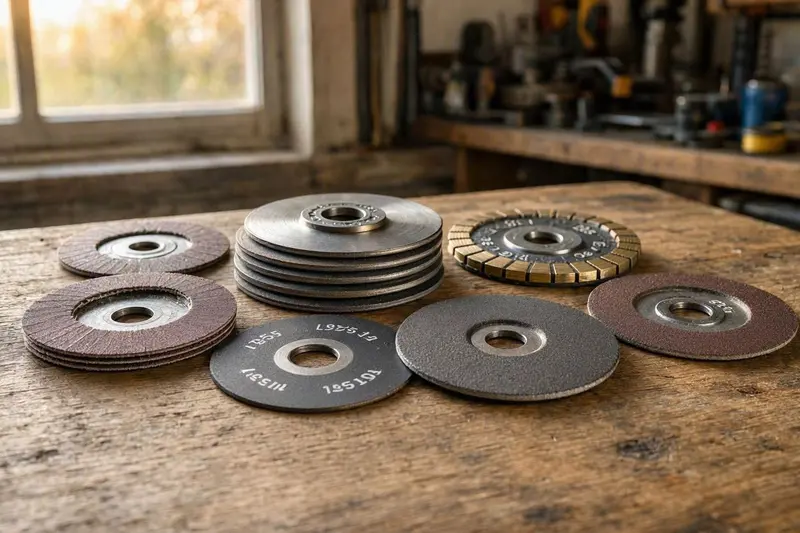
Angle grinder discs come in many types, sizes, and materials — and choosing the right one makes all the difference. Whether you’re cutting metal, grinding welds, removing rust, or cutting brick, the disc you choose determines the result.
This guide explains every common angle grinder disc, what it’s used for, and which ones beginners should start with.
Whether you are an experienced tradesperson fitting out a site or a weekend DIYer tackling a garden renovation, the angle grinder is one of the most versatile power tools in your kit. However, an angle grinder is only as good as the disc you attach to it.
Using the wrong disc isn’t just inefficient; it is a major safety hazard that can result in shattered wheels and serious injury.
Choosing the right disc at your local builders’ merchant or DIY store can be confusing with so many types available. This guide breaks down the most common angle grinder disc types available in the UK, what they do, and how to choose the right one for your project.
1. Cutting Discs (Metal Cutting Discs)
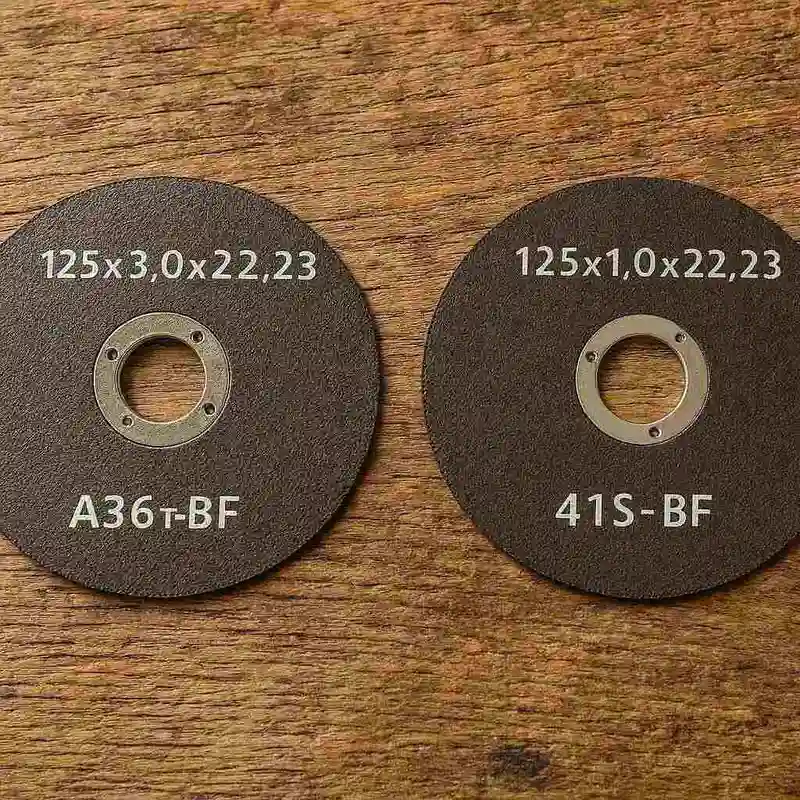
Cutting discs are thin, sharp, and designed to slice through metal quickly. Often referred to simply as cutting-off wheels, these discs are incredibly thin, usually ranging from 1mm to 3.2mm. They are designed exclusively for slicing through materials at a 90-degree angle. Never use a cutting disc for grinding; their thin profile cannot handle side-load pressure and they will shatter.
Best for:
- Cutting bolts
- Cutting steel rods
- Cutting brackets
- Cutting sheet metal
- Cutting pipes
Typical thickness:
1.0–1.2mm (thin) 2.5mm (general purpose)
Why beginners like them:
They cut fast and clean with minimal effort.
Metal & Stainless Steel (Inox) Discs: Typically made from aluminium oxide, these are used for slicing through rebar, structural steel, or sheet metal. If you are working with stainless steel, ensure the disc is marked “Inox” (iron, sulphur, and chlorine-free) to prevent rusting or contamination of the metal.
Stone Cutting Discs: Formulated with silicon carbide, these are engineered to slice through paving slabs, bricks, and concrete. However, for heavy masonry work, diamond blades are far superior.
2. Grinding Discs
Grinding discs are thick, heavy, and built for removing material rather than slicing. Grinding discs are significantly thicker than cutting discs, usually 6mm to 7mm. This extra thickness allows them to withstand heavy lateral pressure, making them perfect for shaping, smoothing, and removing excess material.
Best for:
- Grinding welds
- Removing sharp edges
- Shaping metal
- Cleaning up cut ends
Typical thickness:
6mm+
Beginner tip:
Use two hands and let the disc do the work — don’t force it.
Metal Grinding Wheels: Ideal for prepping weld joints, removing rust, smoothing down rough iron castings, or beveling edges before welding.
Stone Grinding Wheels: Used for smoothing down rough edges on concrete blockwork or natural stone.
I have also written an article that explains in more detail, the difference between cutting discs and grinding discs.
3. Flap Discs
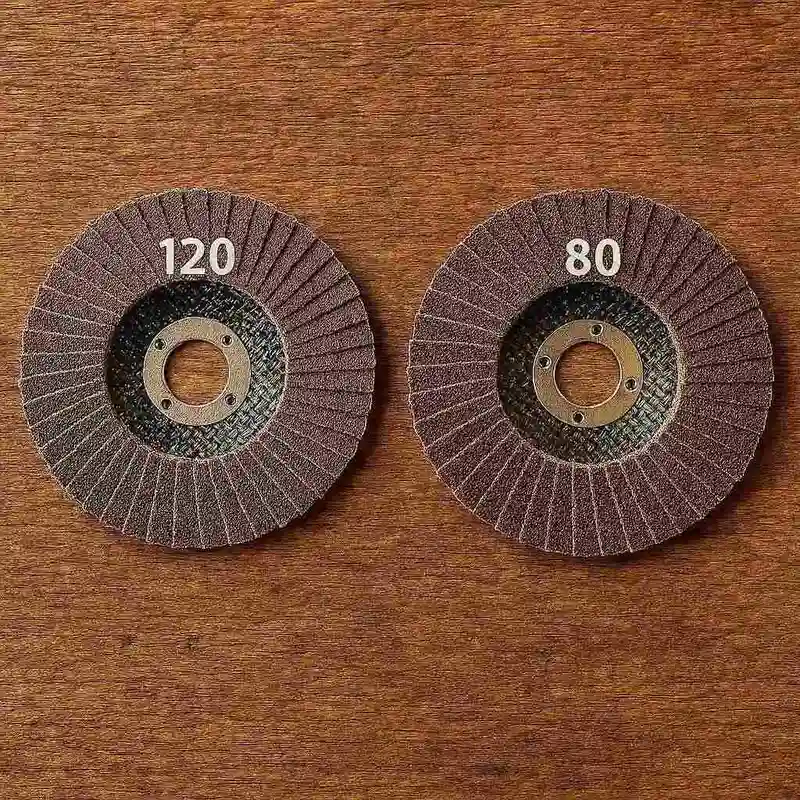
If you need to grind down metal but also want a smooth, paint-ready finish, reach for a flap disc. Instead of a rigid abrasive wheel, flap discs feature overlapping layers of sandpaper “flaps” arranged around a central hub.
As the sandpaper wears down, it exposes fresh abrasive grit underneath. They are excellent for removing light weld spatter, blending surfaces, and taking off rust without gouging the base metal.
UK Buying Tip: Look at the grit rating just like standard sandpaper. A 40 or 60 grit is great for rapid stock removal, while an 80 or 120 grit is ideal for blending and finishing.
Flap discs are made from overlapping sanding flaps. They’re smoother and more forgiving than grinding discs.
Best for:
- Smoothing metal
- Removing paint
- Blending welds
- Cleaning up edges
Grit options:
40 (aggressive) 60–80 (general use) 120 (fine finishing)
Why beginners love them:
They’re hard to mess up — ideal for learning.
4. Diamond Blades (For Masonry)
When you need to cut through tough building materials like masonry, roof tiles, or granite, standard abrasive discs wear down in seconds. Diamond blades feature steel cores with a rim embedded with industrial diamond segments.
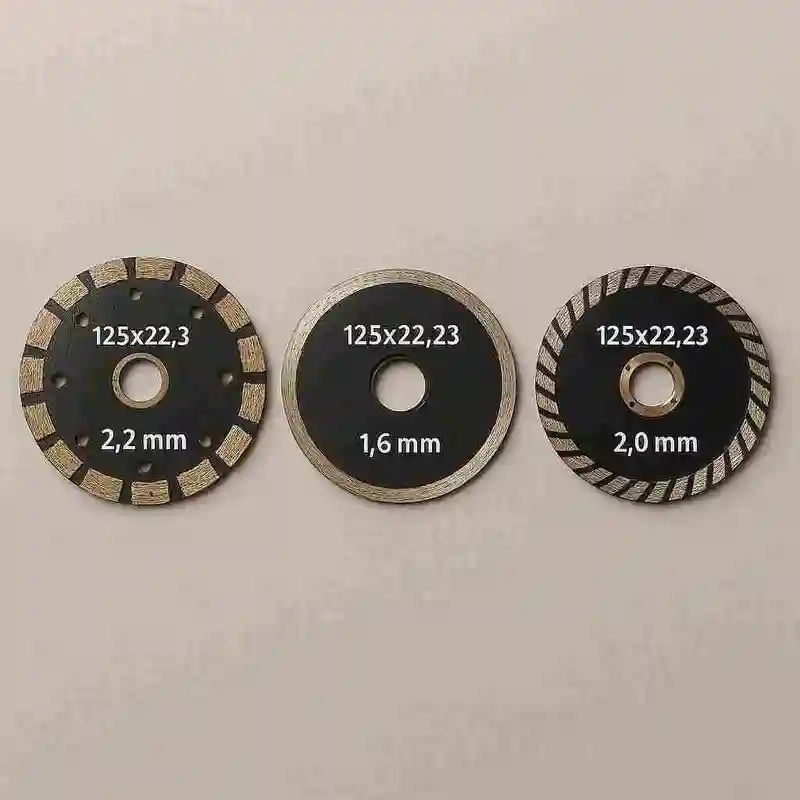
Diamond blades are used for cutting hard materials like:
- Brick
- Concrete
- Paving slabs
- Tiles
- Stone
Types:
- Segmented rim – best for concrete and slabs
- Continuous rim – best for tiles
- Turbo rim – fast cutting, good all‑rounder
Beginner tip:
Always wear a dust mask when cutting masonry.
There are three main variations you will find on UK shelves:
- Segmented Rims: The edge is divided into blocks by small slots. These slots allow air and dust to escape, cooling the blade during dry cutting. Best for brick, concrete, and rough stone.
- Turbo Rims: Feature a continuous grooved rim. The grooves help expel material faster, giving a quicker cut while maintaining a relatively smooth finish. Perfect for roof tiles and general masonry.
- Continuous Rims: A completely smooth edge with no gaps. These must be used with water (wet cutting) to prevent overheating. They provide chip-free, pristine cuts on delicate materials like porcelain, ceramic, or marble tiles.
⚠️ Critical Safety Warning: Cutting any form of masonry or paving slab releases dangerous, microscopic silica dust into the air, which can cause permanent lung damage. A basic paper dust mask will not protect you. Before starting up your machine, ensure you read our complete breakdown of the best dust masks for cutting concrete to find a certified FFP3 or P3 respirator that will actually keep your lungs safe.
5. Wire Wheels & Wire Brushes
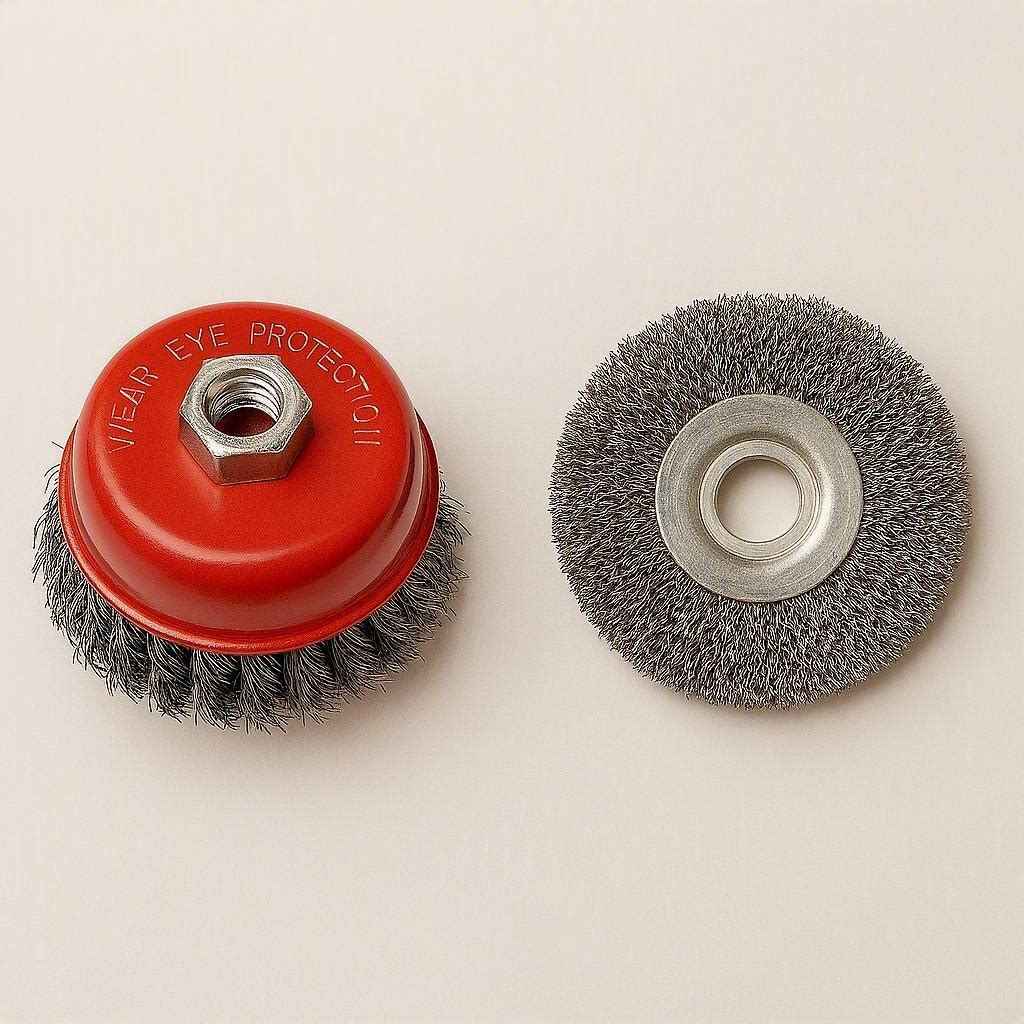
When you want to clean a surface without removing any of the underlying metal, abrasive discs are too aggressive. Wire attachments feature twisted or crimped steel or brass wires.
Wire Wheels: Narrower profiles that allow you to get into tight joints, internal corners, and welds to clean out slag.
Wire attachments are perfect for cleaning metal.
Wire Cup Brushes: Best for clearing large, flat areas of stubborn rust, old paint, or thick scaling.
Best for:
- Removing rust
- Removing paint
- Cleaning welds
- Preparing metal for painting
Types:
- Wire wheel – for flat surfaces
- Wire cup brush – for larger areas
- Twist‑knot wheel – aggressive rust removal
6. Polishing Pads
These turn your grinder into a metal polisher.
Best for:
- Stainless steel
- Aluminium
- Car parts
- Metal furniture
Use with polishing compound for best results.
Which Disc Should You Use? (Quick Guide)
| Job | Best Disc |
|---|---|
| Cutting metal | Thin cutting disc |
| Grinding welds | Thick grinding disc |
| Smoothing metal | Flap disc |
| Cutting brick/slabs | Diamond blade |
| Removing rust | Wire wheel |
| Polishing metal | Polishing pad |
You may also find my article on how to change an angle grinder disc really useful.
🧰 Workshop Tip: Throwing heavy power tools, sharp slitting wheels, and loose hand tools casually into a garage cupboard causes accidental casing damage and invites surface rust. To protect your investment and clean up your workspace, read our complete testing review of the best mobile tool chests uk to find a rolling cabinet that can house your full collection safely.
Beginner Disc Starter Kit
If you’re just starting out, get:
- 1 pack of thin metal cutting discs
- 1 grinding disc
- 2 flap discs (60 & 120 grit)
- 1 wire wheel
- 1 diamond blade
This covers 95% of DIY tasks.
Vital UK Safety Standards to Look For
Before you tighten the locking nut on your grinder, always verify that your discs comply with safety standards:
- Look for the EN 12413 mark: This is the European and British safety standard for bonded abrasive products. If a disc does not display this mark, do not buy it.
- Check the Expiry Date: Abrasive discs contain resin binders that degrade over time, absorbing moisture from the air. Look at the metal ring in the center of the disc; you will see a date stamp (e.g., V04/2028). Never use a disc past its expiry date, as the structural integrity may be compromised.
- Match the RPM: Check the Maximum RPM printed on the disc and ensure it is higher than the maximum speed of your angle grinder. Spinning a disc faster than its rated speed can cause it to catastrophically explode.
It is worth reading my article on how to use an angle grinder safely. Always wear appropriate Personal Protective Equipment (PPE), including high-impact safety goggles, ear defenders, heavy-duty gloves, and a dust mask, whenever working with an angle grinder.