If you are a UK DIY beginner trying to hang a heavy mirror, fit a curtain pole, or put up a shelf, you will almost certainly need to use plastic wall plugs (often called Rawlplugs in the UK).
The biggest mistake beginners make isn’t using the wrong drill setting. It is picking the wrong drill bit for their plug, or using a screw that is too big or too small.
If you use a drill bit that is too large, your plug will spin loose in the wall; use a screw that is too thick, and the plug will split before it bites.
This quick, no-nonsense guide breaks down the colour coded UK wall plug system so you get a solid fixture every single time.
The Master UK Wall Plug Cheat Sheet
In the UK, plastic wall plugs follow a standard colour coding system based on the hole diameter they require and the weight they can support.
Print this table out or bookmark it on your phone before your next trip to Screwfix or B&Q:
| Plug Colour | Hole & Drill Bit Size | Matching Screw Gauge / Size | Ideal Wall Type | Best For |
| Yellow | 5mm | No. 4–6 (3.0mm – 3.5mm) | Brick, Concrete, Block | Lightweight pictures, small hooks, light switches |
| Red | 6mm (UK Standard) | No. 8–10 (4.0mm – 5.0mm) | Brick, Concrete, Block | Shelves, curtain poles, bathroom mirrors, clocks |
| Brown | 7mm | No. 10–12 (5.0mm – 6.0mm) | Solid Brick & Masonry | Heavy wall units, TV brackets, radiators, timber battens |
Rule of Thumb: If in doubt for general home DIY on solid brick, Red Plugs (6mm) are the undisputed workhorse of British homes.
1. How Rawlplugs Work in the UK?
A rawlpug works when you insert it into a drilled hole. When you drive in a screw, the sides of the plug expand, fill the hole and grip tightly.
A plastic wall plug is an expansion anchor. Solid brick, stone, and mortar do not have flexibility. You can’t simply drive a wood screw directly into a masonry wall.
- You drill a precise hole into the masonry using a masonry drill bit.
- You push the plastic plug flush into the hole.
- As you drive a screw into the centre of the plug, the plastic splits sideways and expands outwards, wedging itself tightly against the brickwork.
Top Tip
When you have drilled your hole in red brick, it’s time to put the correct size of wall plug in. Sometimes these can feel a little tight and may need tapped in with a small hammer or the end of a screwdriver.
Don’t force the plug in as it may break. Instead switch the drill on and move the drill in and out of the hole to remove loose brick dust as that can stop the plug from going in fully. You can also, though very gently wiggle the drill bit around to slightly widen the hole. Be careful though, as the drill bit can break.
2. How to Choose the Right Size Masonry Drill Bit
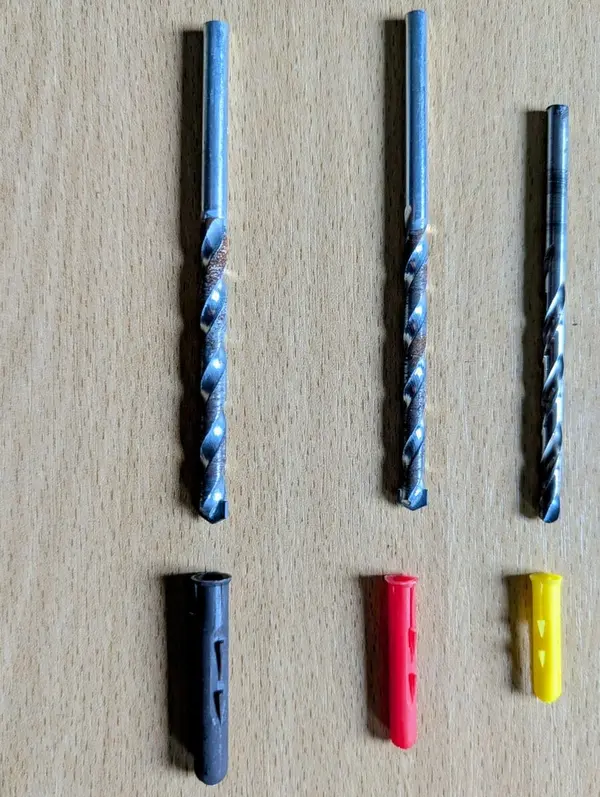
If you are drilling any type of masonry, red brick, breeze block, concrete etc, you always need to use a masonry drill bit. Always match the size printed on the packaging of your drill bit to the diameter required by your plug.
- For a Yellow Plug, use a 5mm Masonry Drill Bit
- For a Red Plug, use a 6mm Masonry Drill Bit.
- For a Brown Plug, use a 7mm Masonry Drill Bit.
- For a Blue Plug, use an 8mm Masonry Drill Bit
- For a Grey Plug, use a 9mm Masonry Drill Bit
Blue and grey plugs are not used that often for most DIY jobs, as they are designed for larger screws.
How to Set up Your Drill for Wall Plugs?
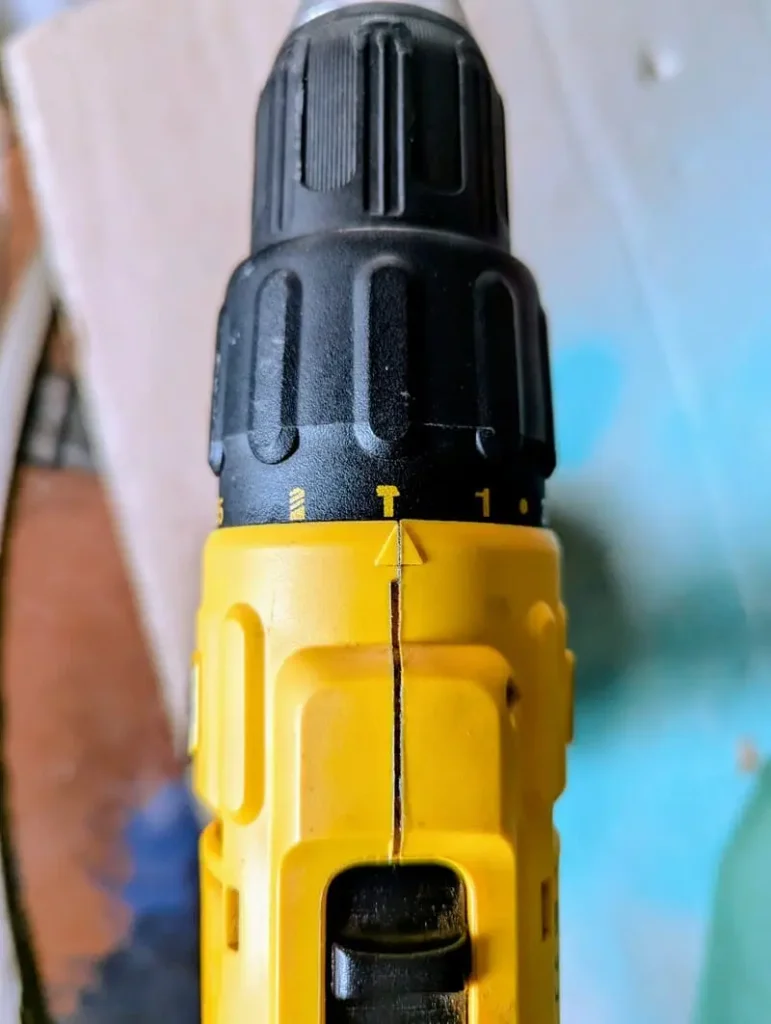
- For Solid Brick/Block: Set your combi drill to Hammer Mode (the hammer icon) and Gear 2 (high speed).
- For Plasterboard / Stud Walls: Switch OFF hammer mode! Use standard Drill Mode (the drill bit icon also shown above) so you don’t blowout the plasterboard.
Deep Dive: Want to know more about drill settings? Read our full guide: [Combi Drill Settings Demystified: Torque, Gears, and Modes].
3. How to Match the Screw to the Plug
A very common mistake is using whatever random screws are left in a drawer. If the screw is too thin, it won’t force the plastic plug to expand, leaving your fixing loose.
When buying screws in the UK, you will see two measurements on the box:
- Metric Size (e.g., 4.0mm x 40mm): The first number is screw thickness; the second is length. – these are the most popular.
- Imperial Gauge (e.g., No. 8 x 1.5″): Traditional UK screw sizing.
How to Match:
- Yellow Plugs (5mm bit): Use 3.5mm screws.
- Red Plugs (6mm bit): Use 4.0mm or 4.5mm screws.
- Brown Plugs (7mm bit): Use 5.0mm or 6.0mm screws.
- Blue Plugs (8mm bit): Use 6.0mm or 7.0mm screws
- Grey Plugs (9mm bit): Use 7.0mm 0r 8.0mm screws
Real-World Lesson: The Loose Shelf Nightmare
When I was first starting out with DIY, I tried putting up a floating bookshelf on the inside of an external brick wall. I grabbed a pack of standard Red 6mm Rawlplugs, but I couldn’t find my 6mm masonry bit. I spotted an 8mm bit sitting in my toolbox and thought, “It’s only 2 millimetres difference, it’ll be fine.”
It was not fine.
I drilled the hole, pushed the red plug in, and it loosely wobbled inside the oversized hole. When I drove the screw in, the plug simply spun around in circles inside the brick wall without expanding or tightening. I ended up having to pull the plug back out with pliers, fill the ruined oversize hole with repair filler, wait a day for it to dry, and re-drill with the correct 6mm bit.
Lesson learned: Never guess your drill bit size when using masonry plugs. Tolerances in brickwork matter!
What About Plasterboard / Hollow Walls?
Standard Yellow, Red, and Brown plugs rely on solid brick to expand against. If you press a wall and it sounds hollow, you are dealing with plasterboard.
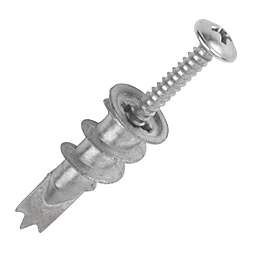
- Lightweight items (Up to 5kg): Standard Red Plugs can work if inserted into a neat, tight hole, but Self-Drilling Plasterboard Anchors (often called “Pig Tails”) are much better.
- Heavy items (TVs, heavy mirrors over 10kg): Never rely on standard red/brown plugs in hollow plasterboard. Use dedicated hollow-wall anchors like Hollow Wall Anchor Bolts or GripIt Fixings.
Dot and Dab Warning: If your home has plasterboard glued over internal brickwork (“dot and dab”), drill deep enough using a long 6mm bit so your Red/Brown plug sits securely in the solid brick behind the plasterboard, not just in the thin plaster board face.
Safety Note:
Make sure you wear safety goggles or safety glasses when drilling.
Frequently Asked Questions
Why is my wall plug spinning in the wall when I turn the screw?
This usually means the hole was drilled slightly too large, or the brickwork crumbled inside. Take the screw out, pull out the plug, and insert a slightly larger plug (e.g., upgrade from a Red 6mm plug to a Brown 7mm plug and use a thicker screw).
How deep should I drill the hole?
Your hole should be slightly longer than the length of the wall plug (usually 5mm to 10mm deeper than the plug). This gives extra clearance for dust and the tip of the screw as it drives home.
Should the wall plug sit flush with the wall?
Yes. You should be able to push the plug in using firm thumb pressure or lightly tap it flush with the handle of a screwdriver or small hammer. It should fit snugly without bending or crumpling.
Next Steps & Related Guides
This article is part of our [Ultimate Beginner’s Guide to Combi Drills]. Explore more of our hands-on guides below:
- [Combi Drill vs Drill Driver vs Impact Driver: What’s the Difference?]
- [Combi Drill Settings Demystified: Torque, Gears, and Modes]
- [How to Drill into UK Brick and Mortar Walls Safely]