By Enda McLarnon — Experienced UK DIYer sharing practical fixes from my 1958 red brick home.
Part of our Complete UK DIYer’s Guide to SDS Drills (Insert Hub URL).
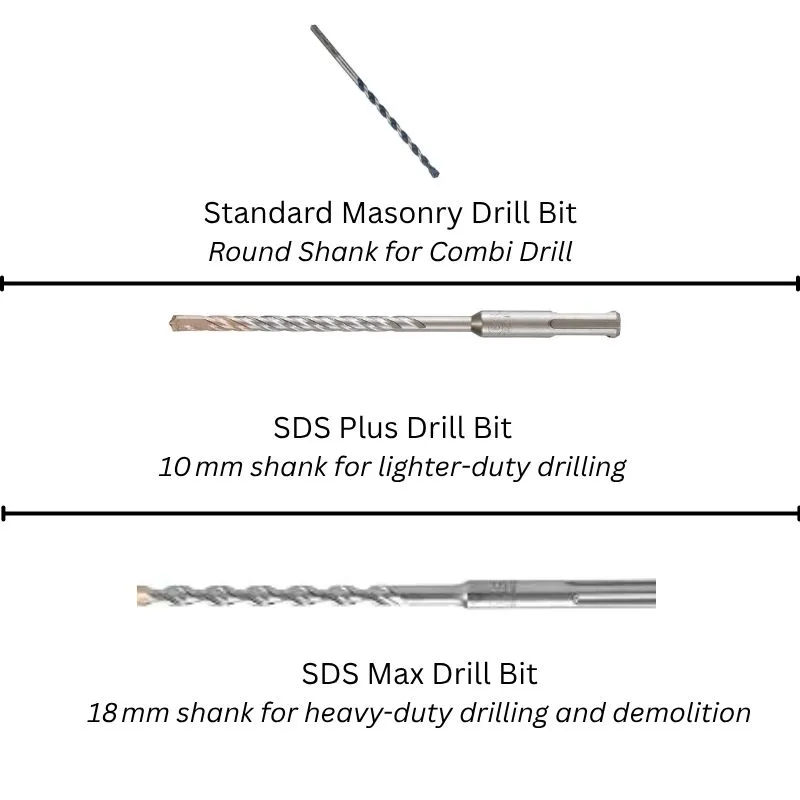
When you walk down the masonry aisle at Screwfix or B&Q, or even browse online for your first rotary hammer drill, you will immediately see two terms printed across every box and drill bit packet: SDS Plus and SDS Max.
Because both names sound almost identical, it is a classic beginner trap to assume “Max” simply means “better” or “longer-lasting” and accidentally buy bits that physically will not fit inside your drill’s chuck.
For 99% of UK home DIY projects, SDS Plus is the exact fitment you need. Here is how the two systems differ, why their shanks are not interchangeable, and when SDS Max actually makes sense.
SDS Plus vs. SDS Max: Quick Comparison
| Feature | SDS Plus | SDS Max |
| Shank Diameter | 10mm | 18mm |
| Locking Grooves | 4 grooves (2 open, 2 closed) | 5 grooves (3 open, 2 closed) |
| Typical Hole Capacity | 4mm to 26mm | 16mm to 52mm+ |
| Typical Tool Weight | 2.3 kg to 3.5 kg | 5.5 kg to 11 kg+ |
| Typical Impact Energy | 1.7 to 3.2 Joules | 6.0 to 19+ Joules |
| Best Used For | Home DIY, brick walls, lintels, tile removal | Heavy concrete demolition, structural core drilling |
1. What Is SDS Plus? (The Home DIY Standard)
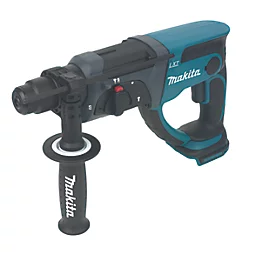
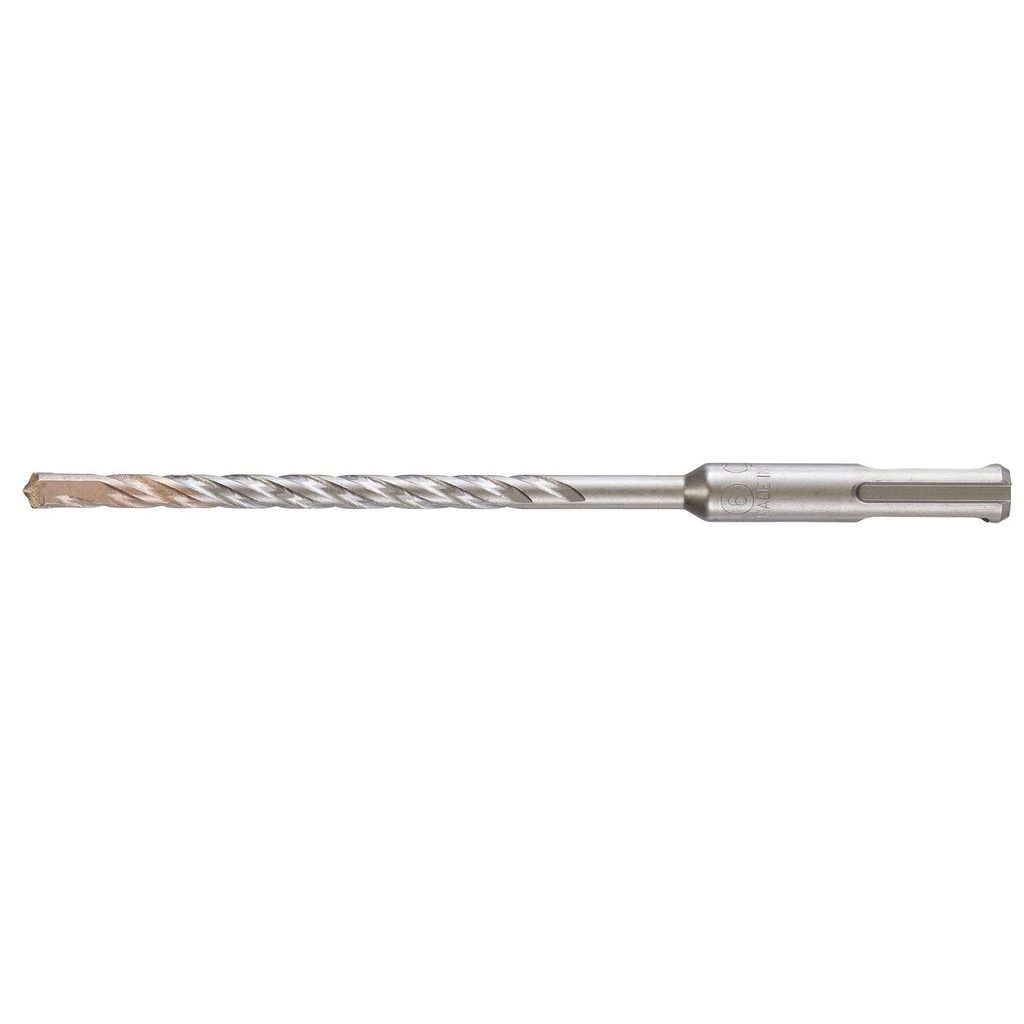
SDS Plus is the universal standard for domestic DIY, electrical installation, plumbing, and general UK building work. Every cordless 18V SDS drill and compact corded rotary hammer aimed at homeowners uses an SDS Plus chuck.
- The Shank: Measures 10mm in diameter with four distinct slots machined into the steel. There are two open guide slots and two closed locking grooves where the chuck’s steel ball bearings click in.
- What It Handles Easily: Drilling 5mm to 16mm holes into solid 1950s brickwork, breeze block, stone, and reinforced concrete lintels, plus light chiselling (such as lifting old bathroom wall tiles or chasing cables into plaster).
- Availability: Every UK DIY shop, builders’ merchant, and online retailer stocks a huge range of affordable SDS Plus masonry bits and chisels.
2. What Is SDS Max? (Commercial & Heavy Demolition)
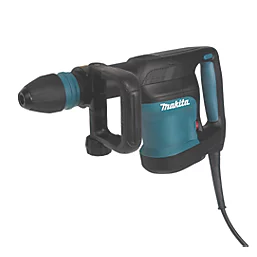

SDS Max is a heavy-duty commercial system built for civil engineering, groundworkers, and serious structural demolition, not hanging curtain poles or shelving brackets.
- The Shank: Measures a chunky 18mm in diameter with five deeper slots designed to transfer massive percussive force without shearing or snapping under load.
- What It Handles: Boring 30mm to 50mm+ holes through thick poured concrete foundations, breaking up concrete driveways, knocking down solid structural walls, and running large-diameter core drills.
- Why It Is Overkill for Home DIY: An SDS Max drill typically weighs between 6 kg and 11 kg—holding one at chest or shoulder height to drill a 7mm wall plug hole is exhausting, awkward, and will blow the back straight out of standard household brickwork.
3. Can You Use SDS Max Bits in an SDS Plus Drill (or Vice Versa)?
No—they are not directly interchangeable. An 18mm SDS Max bit physically will not fit inside a 10mm SDS Plus chuck, and a 10mm SDS Plus bit will rattle loosely inside an 18mm SDS Max chuck without locking.
- SDS Max to SDS Plus Adapters: You can buy a mechanical adapter that clicks into an SDS Max machine to accept smaller SDS Plus bits. However, putting a small 6mm masonry bit on the end of a heavy 8-Joule SDS Max breaker usually bends or snaps the thin bit immediately.
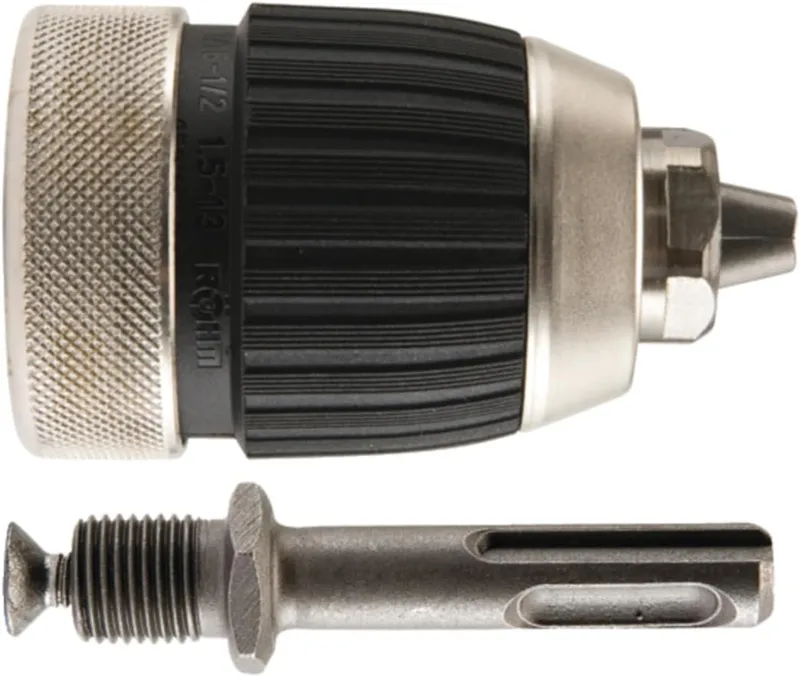
- Normal Round-Shank Bits in an SDS Plus Drill: If you want to use standard round-shank wood or metal drill bits in your SDS Plus drill, you can fit a 3-jaw keyless chuck adapter (with an SDS Plus shank) and switch the drill to rotary-only mode (hammer off). Just remember to never run a standard 3-jaw chuck adapter in hammer mode, as the impact blows will wreck the adapter’s internal mechanism.
4. Don’t Forget the Golden Rule of SDS Shanks
Whichever fitment you use, remember that SDS drill bits are designed to slide back and forth slightly inside the chuck while hammering. Always wipe dust off the slotted shank and apply a small dab of SDS chuck grease before clicking the bit into place. That’s because running dry metal-on-metal wears out the chuck seals and causes bits to jam.
(Need a refresher on when to leave your combi drill in the bag? Read our head-to-head: Combi Drill vs SDS Drill: When Do You Actually Need an SDS for Brick?
Summary: Which One Should You Buy?
Unless you are breaking up a reinforced concrete garage floor or knocking through a double-skin stone wall every weekend, stick strictly to SDS Plus. An SDS Plus rotary hammer gives you all the pneumatic power needed to breeze through concrete lintels and hard British brick while remaining light enough to hold comfortably in one hand.
👉 Explore modes, maintenance, and buying tips in our main guide: The UK DIYer’s Guide to SDS Drills: When a Combi Drill Isn’t Enough
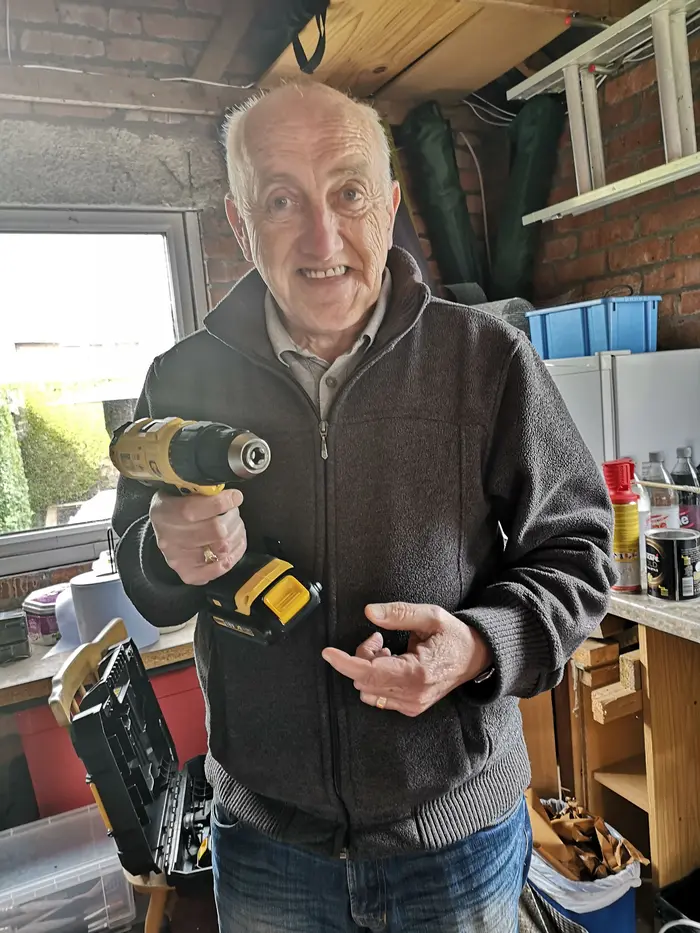
About the Author: Enda McLarnon
I’m an experienced UK DIYer tackling renovation life inside a 1958 red brick home.
I built this blog to help beginners conquer home maintenance anxiety and save a fortune on expensive trade calls.