By Enda McLarnon — Experienced UK DIYer sharing practical fixes from my 1958 red brick home.
PZ2 vs PH2: What’s the Difference?
At first glance, PZ2 and PH2 screwdriver bits appear almost identical. That similarity catches out thousands of DIYers in the UK every year.
I’ve lost count of the number of damaged screws I’ve seen that were caused by using the wrong bit rather than applying too much force.
The good news is that once you know the difference, it’s easy to identify the correct bit and avoid stripped screw heads.
In this guide, I’ll explain what PZ2 and PH2 mean, how they differ, and which one you should use for common DIY jobs around the home.
What Does PZ2 Mean?
PZ stands for Pozidriv.
The number 2 refers to the size of the bit.
PZ2 is by far the most common Pozidriv size used in UK DIY.
You’ll frequently find PZ2 screws in:
- Wood screws
- Multi-purpose screws
- Furniture fixings
- Decking screws
- General construction screws
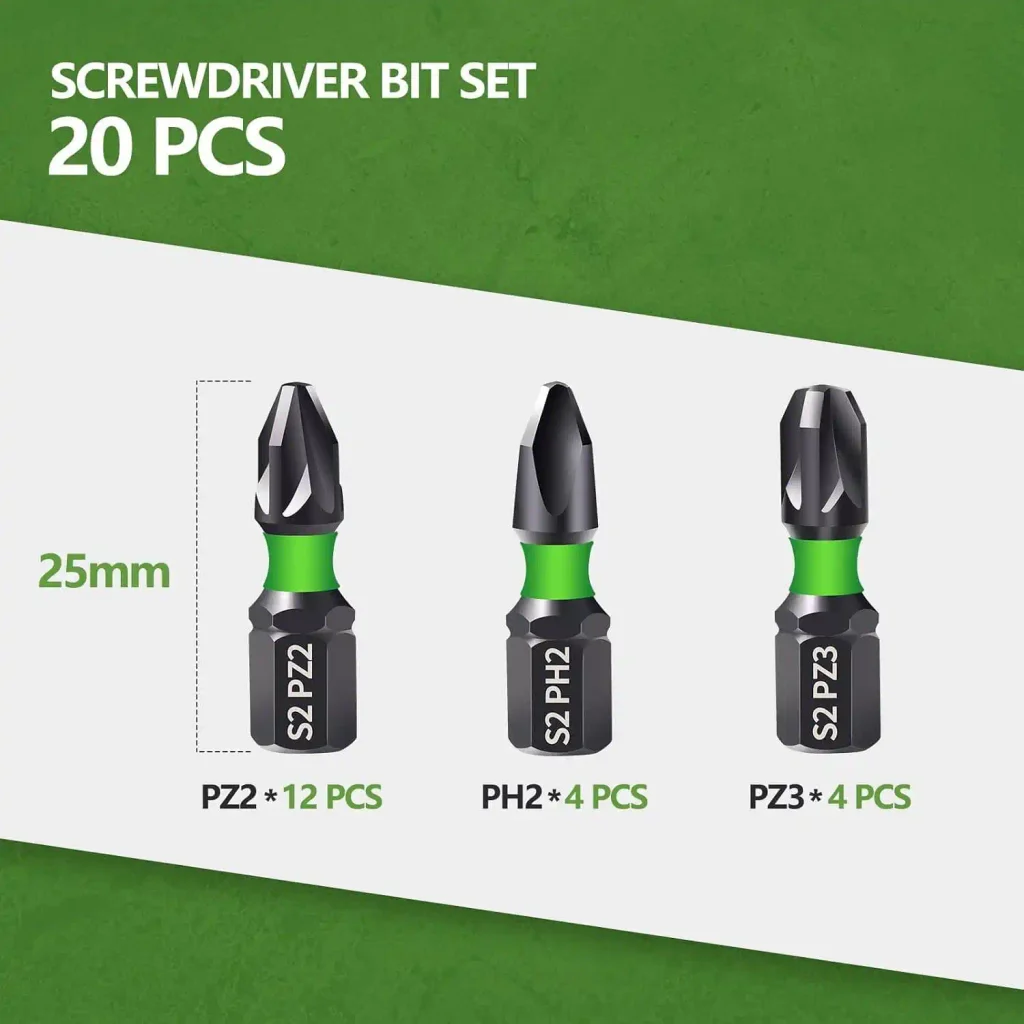
Many screws sold in Screwfix, Toolstation, Wickes and B&Q use the Pozidriv system.
What Does PH2 Mean?
PH stands for Phillips.
Again, the number 2 refers to the size.
PH2 bits are commonly used on:
- Drywall screws
- Electrical accessories
- Imported fittings
- Appliance screws
- Some cabinet hardware
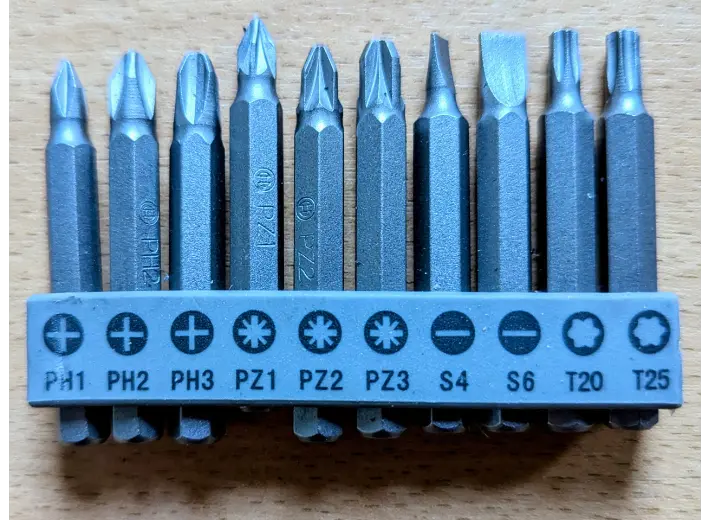
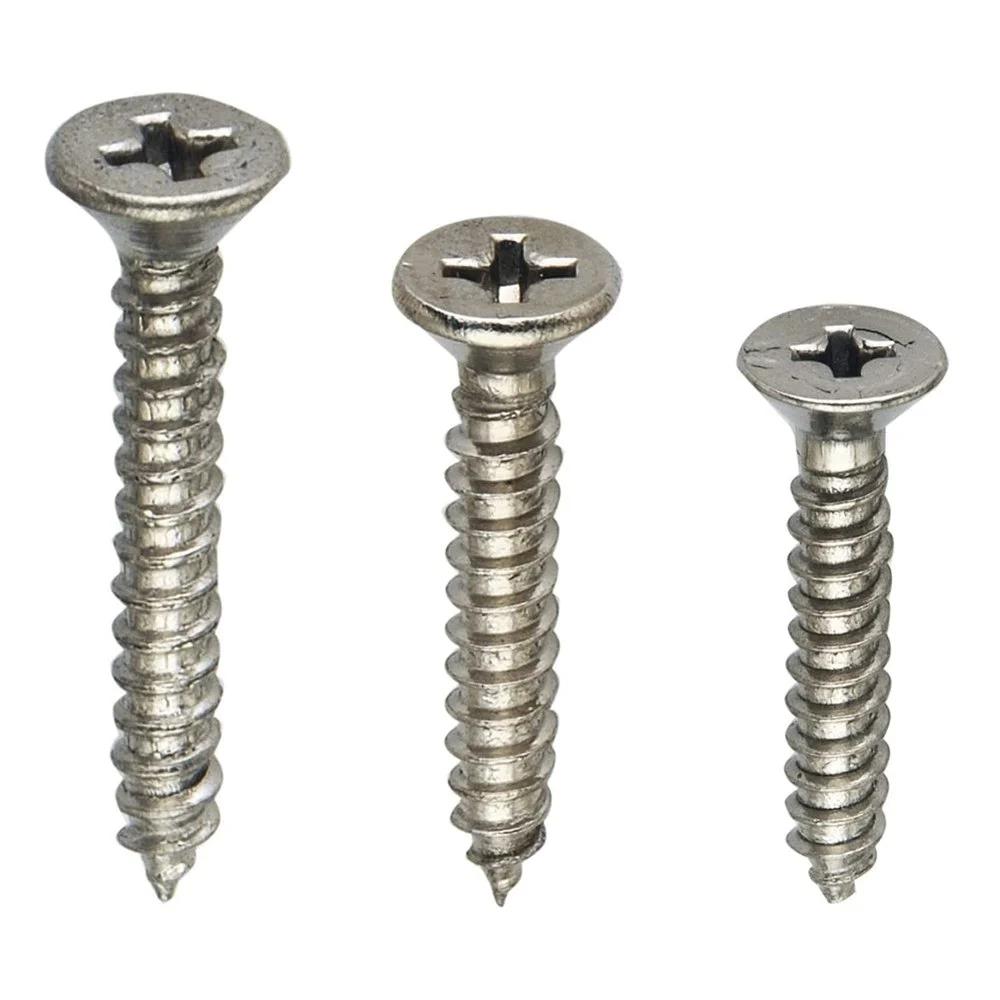
Although less common than PZ2 in many UK DIY jobs, they are still widely used.
How to Tell the Difference
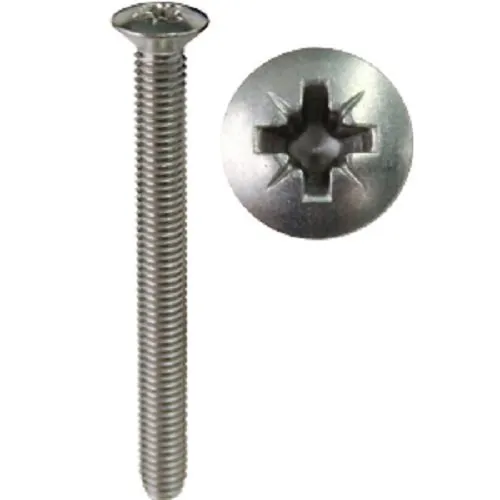
The easiest way to identify a PZ2 screw is to look for the extra markings between the main cross slots.
PZ2 Screw
A Pozidriv screw has:
- Four main cross slots
- Four smaller lines between them
These additional markings form a star-like pattern.
PH2 Screw
A Phillips screw has:
- Four main cross slots
- No additional markings
The head appears cleaner and simpler.
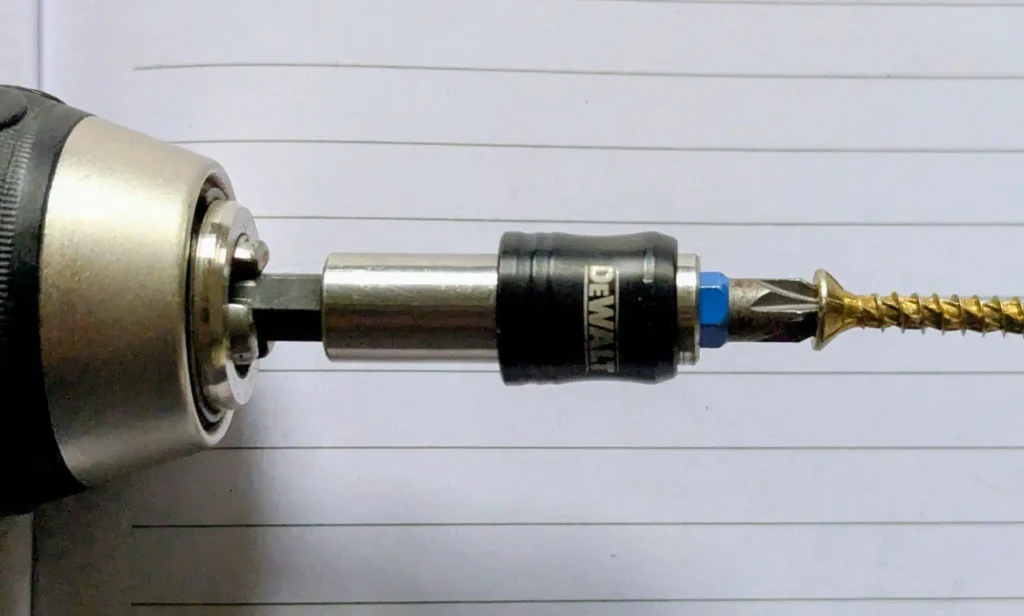
My First Hand Tip: “I don’t have a great memory and when I’m in a hurry, I can forget to look at the actual head of the screw. To get around this, I keep a magnetic bit holder on my combi drill with a PZ2 driver bit inserted. Almost every screw I use is bought at Screwfix and the huge majority of those are PZ screws. That doesn’t fix everything but it takes care of most things.”
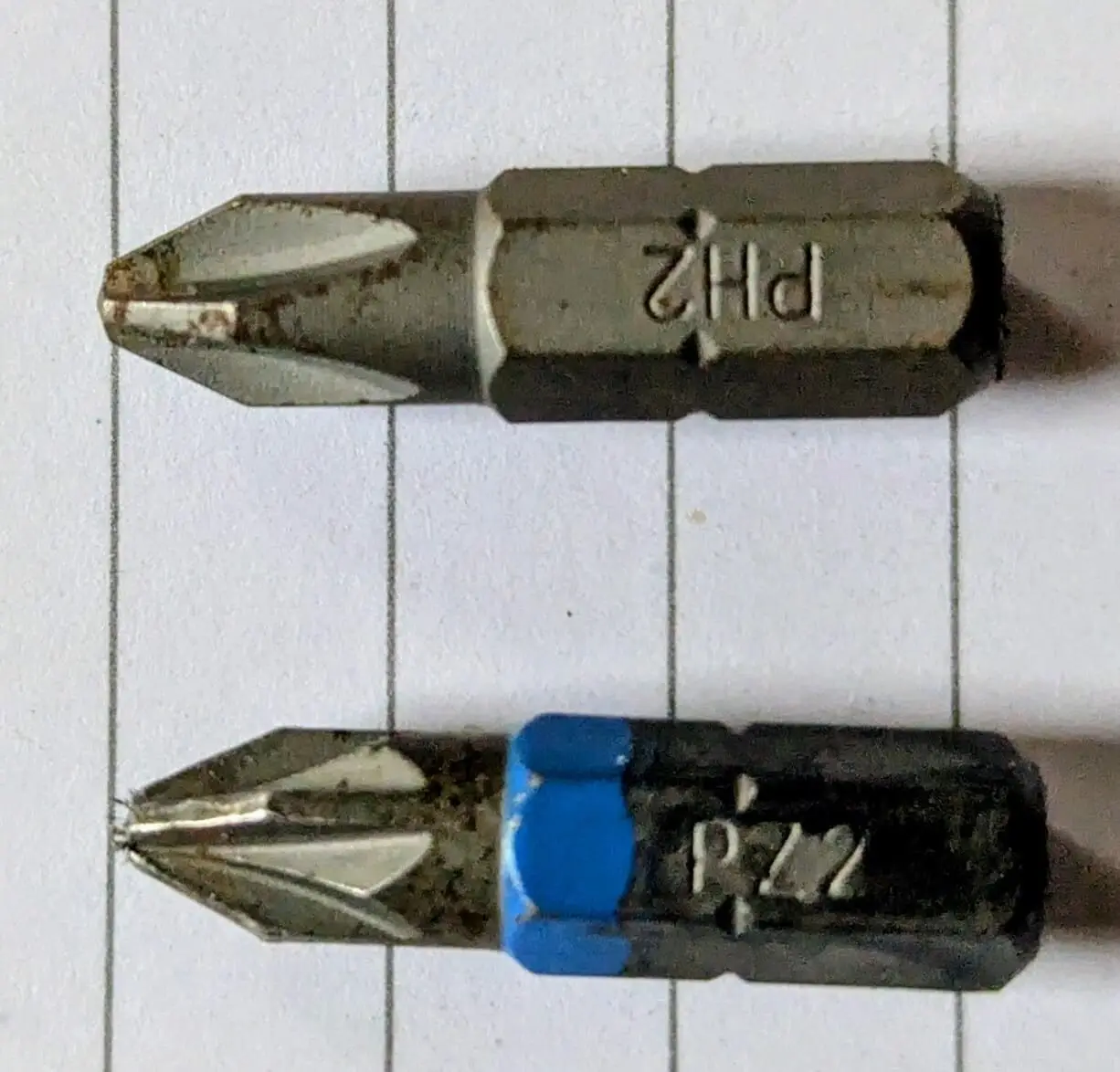
You need to look closely at your driver bits as you can find the name written on the driver bit. The driver bit is small so as you can imagine the writing is also small. It is there though if you look closely. You can see that from the image just below.
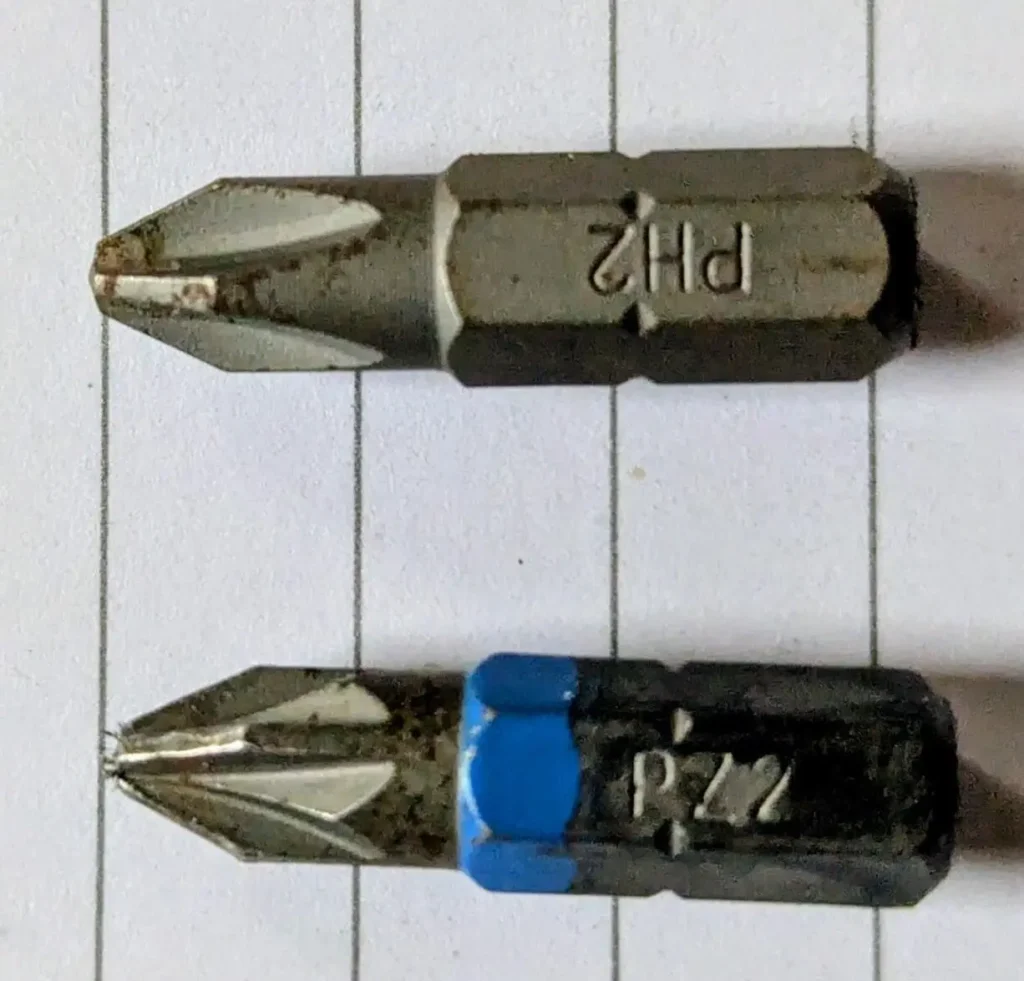
Again if you look closely you can notice the slightly more complicated shape of the PZ2 driver bit.
Why Using the Wrong Bit Causes Problems
This is where I find most DIY mistakes happen. I help out at Man in the Shed meetings and honestly I with I had a £1 for every time I have seen this. People just don’t think about what is the best bit for this screw.
- A PH2 bit will often fit into a PZ2 screw.
- A PZ2 bit will often fit into a PH2 screw.
The problem is that they do not fit properly. The minute you apply any type of pressure:
- The bit slips.
- The screw head becomes damaged.
- The fixing becomes harder to tighten.
- The screw becomes difficult to remove later.(if not impossible)
Many DIYers blame poor quality screws when the real problem is the wrong driver bit.
The Screw Starts “Jumping”
One of the first warning signs is something many DIYers describe as:
“The bit keeps slipping out.”
This is known as cam-out and you’ll notice:
- The driver suddenly jumps.
- The bit won’t stay engaged.
- The screw head starts chewing up.
If this happens, stop immediately and double check the screw type. Continuing almost always makes the damage worse. This is the fastest way to wreck a screw, and let me tell you, it can make them very hard to take out as well.
Why the UK Uses So Many PZ2 Screws
If you’ve mostly bought screws from UK DIY stores, you’ve probably used more PZ2 screws than PH2 without even realising it. I buy almost all of my screws from Screwfix and they are all Pozidriv.
Most general purpose wood screws and construction screws sold in the UK use the Pozidriv design because it offers better grip and transfers torque more effectively.
For everyday DIY tasks such as:
- Fitting shelves
- Hanging brackets
- Building furniture
- Installing timber battens
PZ2 is often the bit you’ll need.
My Rule When Choosing a Bit
When I’m working with a box of screws and I’m unsure which bit is required, I always try to remember to examine the screw head rather than trusting my memory.
Those small extra markings on a Pozidriv screw are usually easy to spot once you know what you’re looking for.
Getting into that habit has saved me from stripping countless screws over the years.
Are Cheap Driver Bits Part of the Problem?
Sometimes. A worn or poorly made bit can damage screws even if it’s technically the correct type. I’ve also found that many people blame the screw when the real problem is:
- The wrong bit
- A worn bit
- Not enough pressure
A fresh, properly fitting bit often makes the job simple and easy. Driver bits don’t last forever. Personally I use either Dewalt, Makita or Bosch as I just find them reliable and durable.
Common DIY Situations
Putting Up Shelves
Most shelf fixing screws supplied in the UK are usually PZ2.
Always check first.
Curtain Pole Brackets
Curtain pole fixing screws are frequently Pozidriv.
Many damaged bracket screws happen because Phillips bits are used by mistake.
Flat-Pack Furniture
Furniture can use either system.
Always inspect the screw head before reaching for a driver bit.
Plasterboard Work
Plasterboard or drywall screws often use Phillips heads and should be driven using PH2 bits.
Common Mistakes
Assuming All Cross-Head Screws Are The Same
They look similar but they are not interchangeable. It is really easy to miss this.
Using Whatever Bit Is Already In The Drill
A lot of stripped screws start this way. As I mentioned I keep a PZ2 in my combi drill, but always try to check the screw.
Continuing After The Bit Starts Slipping
If the bit is camming out, stop and check the screw type.
Blaming The Screw
The wrong bit is often the real culprit.
Real-World Lesson: Cheap Screws
Often you will find in the UK is that cheap screws are supplied with hinges, shelves, curtain poles and flat-pack furniture. Almost every DIYer has sworn at those at some point, including me. Most of the time I just swap these out for my own screws that I prefer. It just saves me a world of grief.
I have also done an article called Screwdriver Bits Explained: PZ vs PH vs Torx (UK Guide). That gives more detail on the various types of driver bits and sizes that are available in the UK.
One final point worth knowing is that I still talk to a lot of the trades. I have discovered many of those are now making the change to Torx screws as they are probably the most secure fit with no slipping.
Frequently Asked Questions
Can I use a PH2 bit in a PZ2 screw?
You can, but it’s not recommended.
The bit will not engage properly and is more likely to slip.
Can I use a PZ2 bit in a PH2 screw?
Again, it may appear to fit but it won’t provide the same secure engagement as the correct bit.
Which is more common in UK DIY?
For general wood screws and construction screws, PZ2 is extremely common.
Why do my screws keep stripping?
The wrong bit type is often the cause, particularly when PZ2 and PH2 are confused.
Final Thoughts
PZ2 and PH2 may look similar, but they are different screw systems designed for different applications.
Learning to recognise the difference takes only a few minutes and can prevent many of the most common DIY frustrations. If you remember one thing, remember this:
If the bit starts slipping, stop and check the screw head before blaming the screw.
About the Author: Enda McLarnon
I’m an experienced UK DIYer tackling renovation life inside a 1958 red brick home.
I built this blog to help beginners conquer home maintenance anxiety and save a fortune on expensive trade calls.