Phillips vs Pozidriv is a common question for DIY beginners because the two screw types look very similar. Although both have a cross-shaped recess, they require different screwdriver tips for the best fit.
However, Phillips and Pozidriv are different screw head designs, and choosing the correct screwdriver can make a real difference when carrying out DIY jobs around the home.
Using the wrong type can cause the screwdriver to slip, damage the screw head or make the screw difficult to remove. This is particularly frustrating when you’re assembling furniture, fitting hinges or working with timber.
In this guide, we’ll explain the difference between Phillips and Pozidriv screws, how to identify each type, which screwdriver sizes are commonly used and why choosing the correct fit matters.
By the end, you’ll know how to tell the two apart and select the right screwdriver for your next DIY project.
What Is a Phillips Screw?
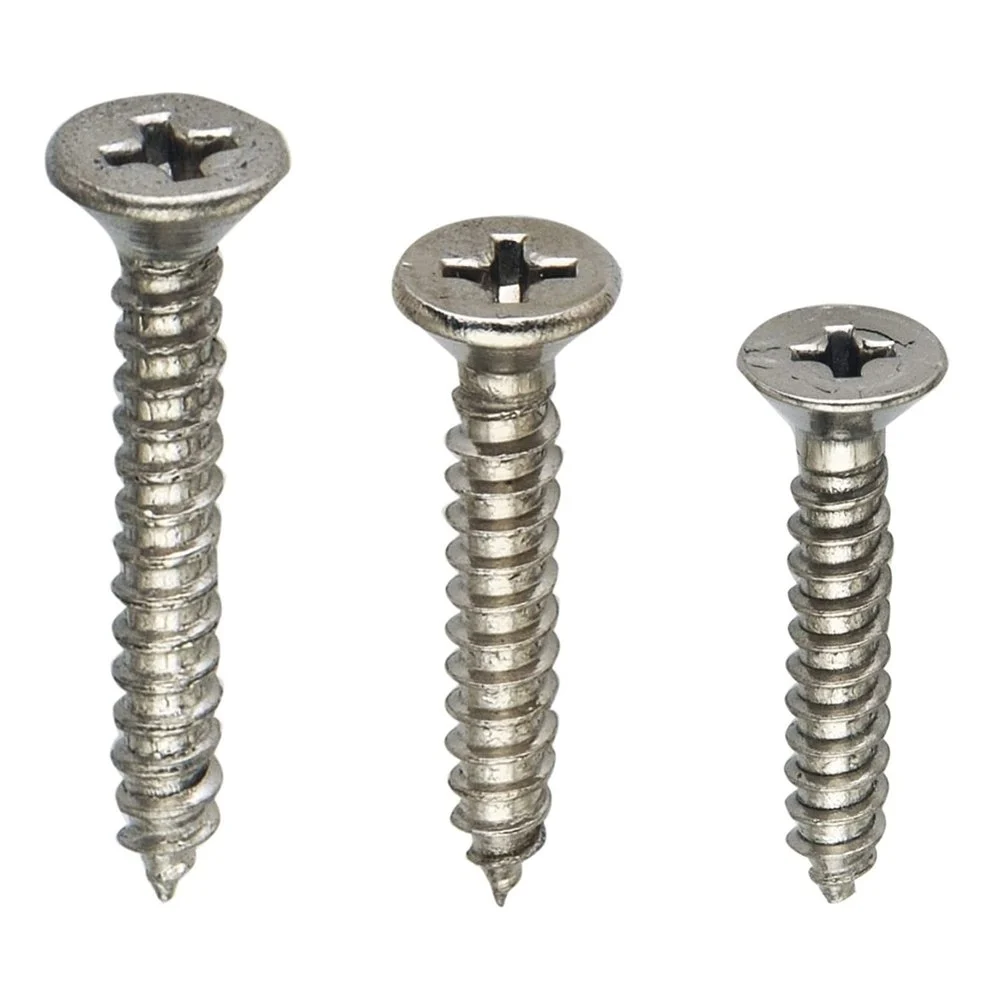
A Phillips screw has a cross-shaped recess in its head, designed to accept a Phillips screwdriver. It is widely used in manufactured products, electrical appliances, furniture and various household items.
The Phillips design was developed to make screwdriving easier during manufacturing. Its tapered cross-shaped recess can encourage the screwdriver to move out of the screw head under high torque, although the actual result depends on the screw, driver and conditions.
How to Identify a Phillips Screw
A Phillips screw has a simple cross-shaped recess with four main arms. Unlike a Pozidriv screw, it does not have the additional smaller marks between the main arms.
Look closely at the screw head. If you can see just one cross, without the extra marks, it may be a Phillips screw.
Common Phillips Screwdriver Sizes
Phillips screwdrivers are marked with the letters PH followed by a number. Common sizes include:
- PH0: Small screws in some compact devices and appliances.
- PH1: Smaller general-purpose screws.
- PH2: A common size for household DIY and many general-purpose screws.
- PH3: Larger screws requiring a bigger driver tip.
The correct size depends on the screw head. The tip should fit neatly into the recess without excessive movement.
Tip: Don’t assume that every cross-shaped screw is Phillips. Pozidriv screws also have a cross-shaped recess, so check for the additional marks before choosing your screwdriver.
What Is a Pozidriv Screw?
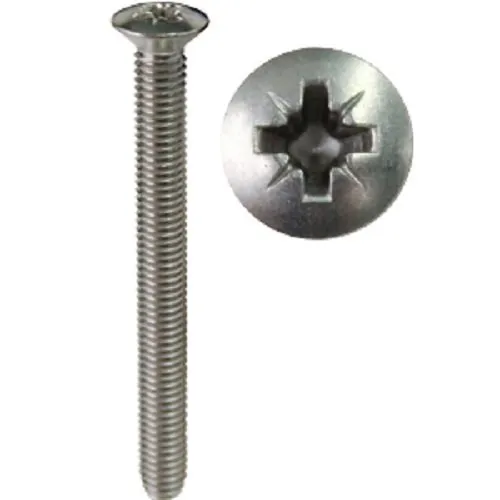
A Pozidriv screw also has a cross-shaped recess, but it includes additional smaller ribs between the four main arms. This is the easiest way to distinguish it from a Phillips screw.
Pozidriv screws are very common in the UK, particularly in woodworking, furniture assembly, cabinet fittings and general DIY. You’ll often come across them when fitting hinges, assembling flat-pack furniture or fixing timber components together.
The Pozidriv design provides additional contact points between the screwdriver and screw head. When you use the correct size of Pozidriv screwdriver, this can help the driver engage securely and reduce the likelihood of slipping.
How to Identify a Pozidriv Screw
Look at the screw head closely. A Pozidriv screw has:
- Four main arms forming a cross.
- Four smaller ribs between the main arms, creating an additional star-like pattern.
- A recess designed for a Pozidriv screwdriver rather than a Phillips driver.
Some screw heads also have markings that help identify the type, although these aren’t always present or easy to see.
Common Pozidriv Screwdriver Sizes
Pozidriv screwdrivers use the letters PZ followed by a number. Common sizes include:
- PZ0: Small screws used in some light-duty applications.
- PZ1: Smaller general-purpose screws.
- PZ2: A very common size for UK DIY, particularly woodworking and furniture fittings.
- PZ3: Larger screws that need a bigger driver tip.
As with Phillips screwdrivers, the correct size depends on the screw head. A PZ2 screwdriver is useful for many everyday jobs, but it won’t fit every Pozidriv screw correctly.
Tip: If you’re working with screws in timber, furniture or cabinet fittings in the UK, it’s worth checking whether they’re Pozidriv. Having the correct PZ screwdriver can make the job easier and help protect the screw heads from damage.
For help choosing the correct driver size, see our guide to screwdriver sizes explained. You may also want to read the HSE’s woodworking safety guidance
Phillips vs Pozidriv: The Main Differences
Phillips and Pozidriv screwdrivers may look similar, but their tips are designed to fit different screw head recesses. Using the correct type helps the screwdriver engage properly and reduces the risk of damaging the screw.
The easiest way to tell them apart is to look at the screw head. Phillips has a simple cross-shaped recess, while Pozidriv has additional smaller ribs between the main arms.
Phillips vs Pozidriv Comparison Table
| Feature | Phillips (PH) | Pozidriv (PZ) |
|---|---|---|
| Screw head appearance | Simple cross-shaped recess | Cross-shaped recess with additional smaller ribs |
| Screwdriver markings | PH followed by a number | PZ followed by a number |
| Common UK DIY sizes | PH1, PH2 and PH3 | PZ1, PZ2 and PZ3 |
| Typical uses | Manufactured products, appliances and various household items | Wood screws, furniture fittings and general DIY |
| Correct fit | Requires a Phillips screwdriver of the correct size | Requires a Pozidriv screwdriver of the correct size |
| Main mistake to avoid | Using a PZ driver in a Phillips recess | Using a PH driver in a Pozidriv recess |
Can You Use a Phillips Screwdriver on a Pozidriv Screw?
A Phillips screwdriver may engage loosely in some Pozidriv screws, but it is not the correct tool. The fit can be poor, increasing the chance of slipping and damaging the screw head.
The same applies when using a Pozidriv screwdriver on a Phillips screw. It may appear to fit, but the contact between the driver and screw may not be correct.
For the best results, match both the screwdriver type and size to the screw head.
Which Type Is More Common in the UK?
You’ll encounter both types, but Pozidriv is particularly common in UK woodworking and general DIY. Phillips screws are also widely used in manufactured products, appliances and imported furniture.
Rather than assuming which type you have, take a moment to inspect the screw head before choosing your screwdriver.
Practical tip: Keeping both PH and PZ screwdrivers in your DIY toolkit is a simple way to avoid problems when assembling furniture, fitting hinges or carrying out household repairs.
How to Tell Phillips and Pozidriv Screws Apart
If you’re unsure whether a screw is Phillips or Pozidriv, a close look at the head is usually enough to tell the difference. Getting this right before you start can help prevent slipping and damage.
Look for the Extra Marks
The easiest method is to examine the recess in the screw head.
- Phillips: Has a straightforward cross-shaped recess with four main arms.
- Pozidriv: Has a cross-shaped recess with four additional smaller ribs between the main arms.
These extra ribs give the Pozidriv head a more detailed, star-like appearance.
Check the Screwdriver Markings
If you already have a screwdriver to hand, check the marking on the handle or shaft.
- PH means Phillips.
- PZ means Pozidriv.
The number after the letters indicates the size, such as PH2 or PZ2. Remember that matching the number alone is not enough: the screwdriver type must also match the screw.
Try the Fit Carefully
If the screw head is difficult to see, choose a screwdriver that you think is correct and place its tip into the recess without turning it forcefully.
The tip should sit securely with little movement. If it rocks, feels loose or does not engage properly, stop and try the other type or a different size.
Don’t use force to test the fit. A slipping screwdriver can damage the screw head and make it much harder to remove later.
What If the Screw Head Is Worn?
Paint, dirt, poor lighting or previous damage can make identification difficult. Clean the recess carefully and use good lighting before trying again.
If the screw is already damaged, avoid repeatedly testing different screwdrivers under pressure. Our guide to how to remove a stripped screw explains practical options for dealing with a damaged screw head.
Tip: When working on furniture or timber, keep a PZ2 screwdriver handy, but always check the screw head rather than assuming every cross-shaped recess is Pozidriv.
Common Phillips and Pozidriv Mistakes to Avoid
Phillips and Pozidriv screwdrivers look similar, so it’s easy to pick up the wrong one. Avoiding a few common mistakes can help you work more efficiently and keep screws in good condition.
1. Using the Wrong Screwdriver Type
A Phillips screwdriver is designed for Phillips screws, while a Pozidriv screwdriver is designed for Pozidriv screws. Although the tips may appear to fit, they don’t engage in exactly the same way.
What to do: Check the screw head for the extra ribs that identify Pozidriv, then select the matching screwdriver.
2. Choosing the Wrong Size
Even the correct screwdriver type can slip if the tip is too small or too large.
What to do: Make sure the tip fits snugly into the recess. If it moves excessively or fails to engage properly, try another size.
3. Applying Too Much Force
Pushing harder won’t correct a poor fit. Excessive force can damage the screw head, especially if the screwdriver is already slipping.
What to do: Keep the screwdriver aligned with the screw and apply steady pressure. Stop if the tip starts to slip.
4. Continuing with a Damaged Screw Head
Once a screw head becomes worn, it can be difficult for the screwdriver to grip it properly. Repeated attempts may make the damage worse.
What to do: Stop and inspect the screw. If the head is stripped, use an appropriate removal method rather than continuing to force the wrong screwdriver into it.
5. Assuming Every Cross-Head Screw Is the Same
A cross-shaped recess doesn’t automatically mean the screw is Phillips. Pozidriv screws are also cross-shaped, but the extra ribs distinguish them.
What to do: Take a moment to inspect the screw head before starting, particularly when assembling furniture or fitting timber screws.
6. Using Worn or Poor-Quality Screwdrivers
A worn tip may no longer fit securely, even if the screwdriver is the correct type and size.
What to do: Check the tip regularly and replace drivers that are rounded, chipped or damaged.
Remember: Matching the screwdriver type and size to the screw head is the simplest way to reduce slipping, prevent damage and make everyday DIY tasks easier.
Frequently Asked Questions About Phillips vs Pozidriv
What is the main difference between Phillips and Pozidriv?
Phillips screws have a simple cross-shaped recess. Pozidriv screws have a similar cross, with four additional smaller ribs between the main arms. The screwdriver tips are designed differently, so it’s best to use the matching type.
Is Pozidriv the same as Phillips?
No. They look similar, but Phillips and Pozidriv are different screw head designs. Using the wrong screwdriver can result in a poor fit and increase the risk of slipping or damaging the screw.
Can I use a Phillips screwdriver on a Pozidriv screw?
A Phillips screwdriver may engage with some Pozidriv screws, but it isn’t the correct choice. The fit may be less secure, so use a Pozidriv screwdriver of the appropriate size instead.
Can I use a Pozidriv screwdriver on a Phillips screw?
A Pozidriv screwdriver may not fit a Phillips recess properly. Check the screw head and choose a Phillips screwdriver that fits snugly rather than forcing the Pozidriv driver into place.
Which screwdriver size is most useful for UK DIY?
PZ2 is a particularly useful size for many UK woodworking and furniture-fitting jobs. PH2 is also common for Phillips screws. However, the correct size depends on the screw, so check the fit rather than relying on one size for everything.
How can I tell which screwdriver I need?
Look for the extra smaller ribs between the main arms of the screw head. If they are present, the screw is likely Pozidriv. If the recess is a simple cross, it may be Phillips. Then select the matching screwdriver type and size.
What should I do if I’ve stripped a Phillips or Pozidriv screw?
Stop using the screwdriver if it keeps slipping, as repeated attempts can make the damage worse. Depending on the screw and material, you may be able to remove it with pliers or a screw extractor. See our guide to how to remove a stripped screw for further advice.
Final Thoughts
Understanding the difference between Phillips and Pozidriv screwdrivers can make everyday DIY jobs easier and help prevent damage to screw heads.
Although both types have a cross-shaped recess, Phillips screws have a simple cross, while Pozidriv screws have additional smaller ribs between the main arms. Checking this detail before you start can help you choose the correct screwdriver.
For many UK DIY projects, particularly woodworking and furniture assembly, a PZ2 screwdriver is a useful tool to keep in your kit. A PH2 is also worth having for jobs involving Phillips screws.
The most important thing is to match both the screwdriver type and size to the screw head. A snug fit, steady pressure and a suitable screwdriver will help you work more confidently and reduce the risk of slipping or stripping a screw.
If you’re building your own DIY toolkit, keeping both Phillips and Pozidriv screwdrivers available is a simple way to prepare for a wider range of household repairs.