
Updated for 2026
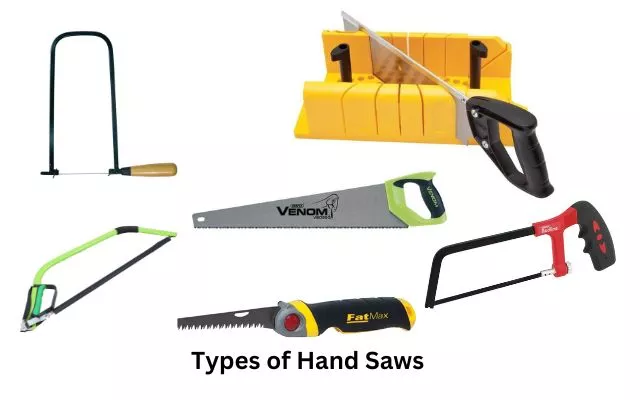
Types of Hand Saws (UK Guide for DIY & Trade Projects)
Choosing the right hand saw for doing various tasks around the home isn’t always easy. Whether you’re cutting timber, making mitre joints, or shaping trim—this UK-focused guide breaks down the most common saw types and links to in-depth reviews of each.

1. General Purpose Saws
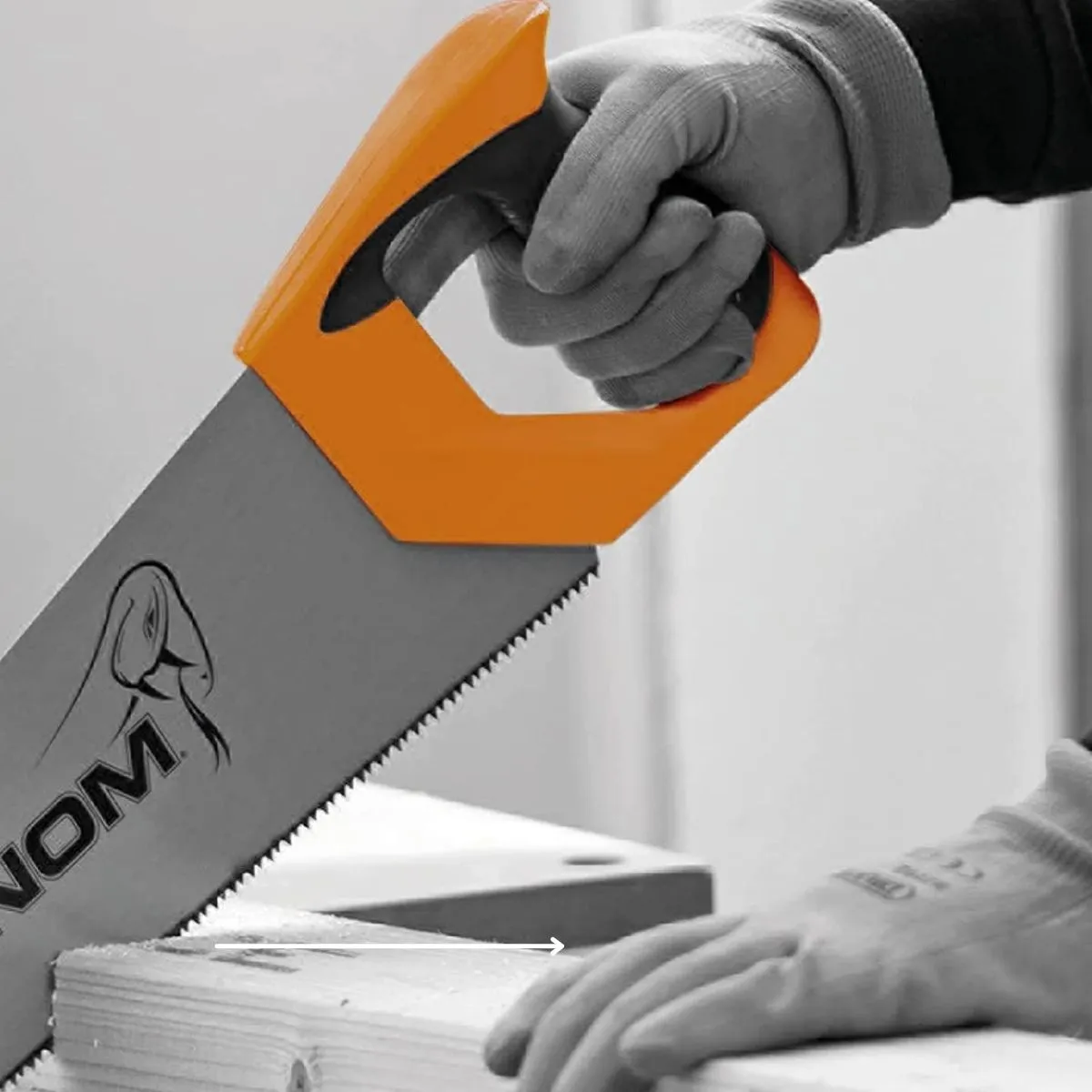
Use Case: – Timber, sheet goods, all-round cutting A toolbox essential for any DIYer. This saw handles stud timber, plywood, and general cuts around the home with ease—ideal for both indoor and outdoor jobs.
The handles will either be made of plastic or wood and some may have a soft grip. The blades can vary in length, and the number of teeth in the blade is the most important thing to understand when buying one. The number of teeth is usually measured in teeth per inch (TPI)
- Less than 7 teeth – for coarse cutting
- 7-11 TPI is called a medium coarse cut
- Greater than 12 teeth is for finer cuts
Read more about general purpose hand saws.
Floorboard Saws
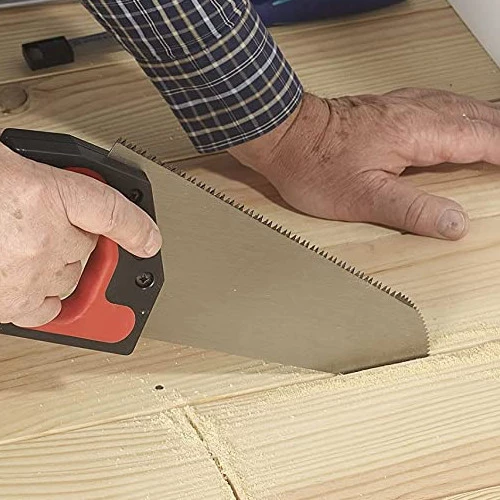
Use Case: – Plunge cuts, flooring repairs Designed with a rounded nose to start cuts mid-board, this saw is perfect for trimming or removing floorboards without tearing up the surrounding area.
Floorboards may need lifted to replace them, but more commonly they need to be cut to give you access to electric cables or central heating pipes in your home. If you are doing a lot of cuts, then a plunge saw or a chop saw is a better idea as they will be faster.This manual floorboard saw is better if you don’t want to risk cutting an electric cable or a pipe. They are also ideal if you just have to cut a few floorboards for doing a few DIY jobs around the home.
View Top Floorboard Saws in the UK
Coping Saws

Use Case: – Curved cuts in wood and PVC The coping saw makes light work of shaping skirting boards, decorative trim, and cut outs thanks to its thin, flexible blade and tight turning radius.
The coping saw has a C-shaped handle and a blade that is secured in place by tension. The main purpose of these is to allow the user to make curved cuts in woodCurved cuts are also known as coping cuts in the world of UK carpentry. The blades of a coping saw are very thin with around 15 to 17 per inch of the blade. These saws are lightweight and typically measure around 6 inches.
Browse the Best Coping Saws UK
Fret Saws
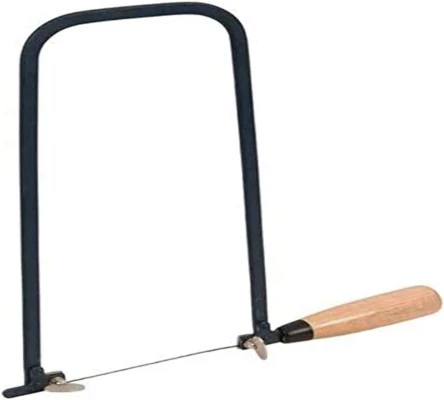
Use Case: – Fine woodworking and hobby cuts Great for intricate patterns, scrolls, and delicate plywood shapes. With a deep throat and fine teeth, it’s a go-to for makers who prioritise precision.
It is a popular saw used by guitar makers and other wooden musical instruments. Some artists will use this for very fine woodworking patterns. The blade and handle on the fret saw is thinner and slightly shorter than the coping saw.A scroll saw is an electric version of this and used by the vast majority of woodworkers.
Most home owners and DIY people will never need to own one of these. Anyone who does craft should look at this saw a little closer as it could be very useful for them. They are used mainly for wood but can also be used for plastic and metal.
Explore the Best Fret Saws for UK Crafters
Tenon Saws
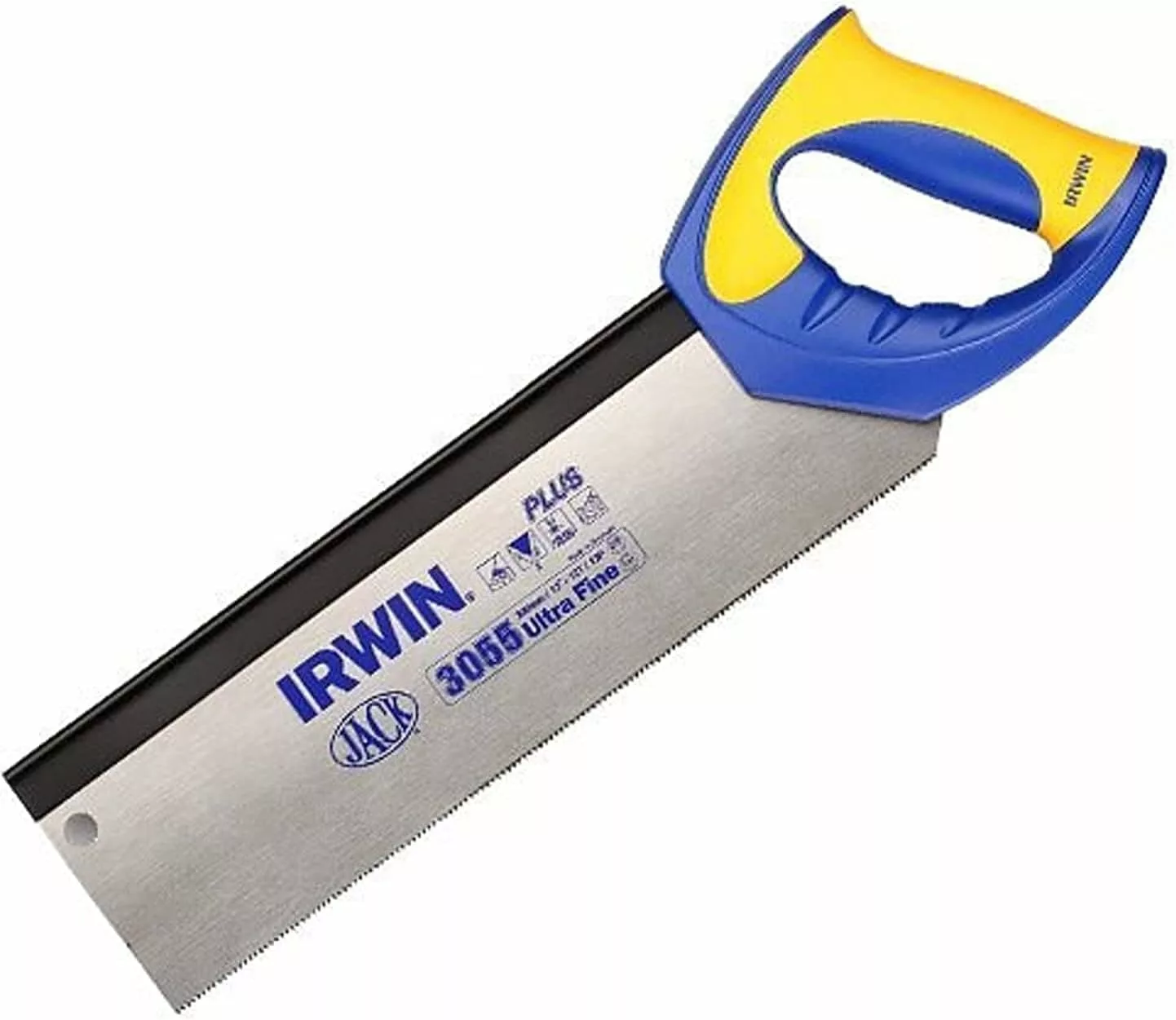
Use Case: – Straight, accurate wood joints This rigid-backed saw excels in making clean cuts for mortise and tenon joints, especially when paired with a mitre box. A favourite among joiners and perfectionists.
A tenon saw is typically around 12-14″ long. The older versions had a wooden handle that was riveted to the blade. That has now been replaced with an ABS plastic handle that is moulded on to the blade. The handle is then covered with a soft grip for comfort. There is also a hanging hole on the toe of the blade so as you can hang it up on a nail.They are used mainly by furniture makers who need to have a fine and very neat finish on the wood.
Those who like to do a lot of DIY will benefit from owning one of these. They are more popular in the furniture making, woodworking and carpentry trades for obvious reasons.
Best Tenon Saws in the UK – See My Picks
Dovetail Saws
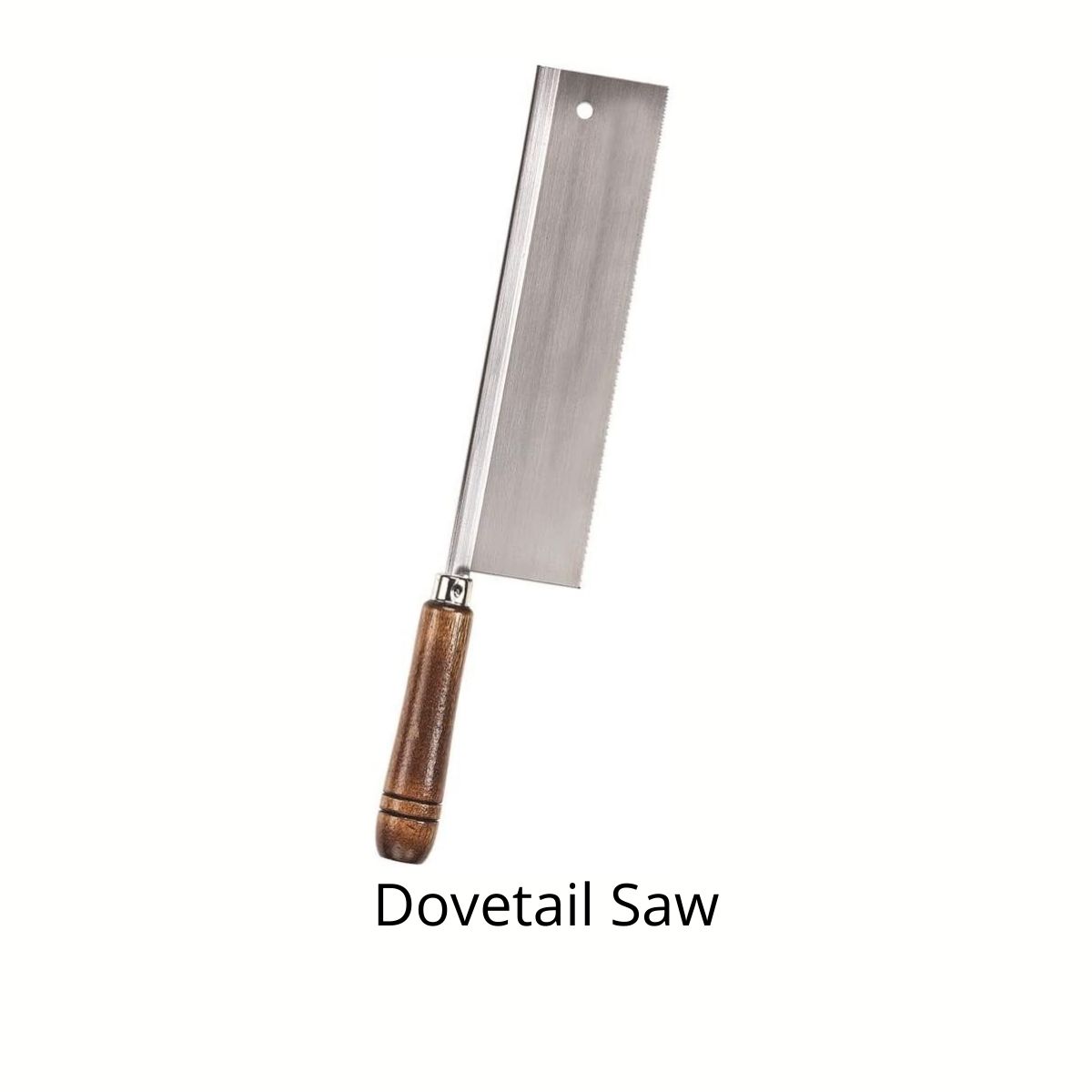
Use Case: – Precision joints and fine cabinetry Ideal for creating dovetail joints in boxes and drawers. It’s smaller than a tenon saw, with finer teeth for more delicate control.
They are used for any cutting application that requires very precise cuts or where a very neat finish is required. In the world of carpentry, a dovetail saw is used for making dovetail joints which are strong joints where two pieces of wood have to fit together very precisely.The blade is short in length and they cut on the push stroke, but you will find that most of the models sold cut on both strokes.
Dovetail saws are used in furniture making, woodworking and carpentry trades for obvious reasons.
The average DIY person will not really have much need for one of these. If you have a tenon saw then in most cases that will be enough. Some people will but a dovetail saw to cut laminate flooring or for PVC when a really neat finish is required.
What is a Mitre Box Saw?
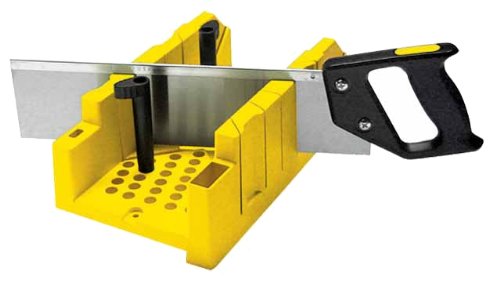
Use Case: – Guided angled cuts (45° & 90°) Used together with a mitre box, this setup ensures repeatable, accurate angles—particularly helpful for picture frames, skirting, and door casings.
In the UK, mitre box saws are called by a few different names such as box saw and manual mitre saw. You can buy a mitre box which is usually a plastic box or a wooden box with slits at various angles. You can then use a tenon saw or a dovetail saw to make an angled cut using the mitre box as a guide.More often though the mitre box and a mitre saw are sold together. A mitre cut is a 45 degree angle cut, and most of these boxes also allow you to manually cut a 60 and a 30 degree angle.Some of the better mitre boxes come with a saw that has built-in guide which are better for angled cutting.
Mitre saws are mainly bought as electric or cordless power tools but those are expensive. This manual box is better suited for most DIY people due to the price. Mitre cuts are popular for skirting boards, picture framing and similar uses.
Are Mitre Boxes Worth It for UK DIYers?
Pad Saws

Use Case: – Interior cut outs in tight spots This narrow-bladed saw is perfect for cutting holes in plasterboard, back panels, or other awkward spaces where a larger saw won’t fit.
In the UK, pad saws do get called by a few different names. Some people call these plasterboard saws and others call them jab saws. They have a long and narrow saw blade which is the best choice for cutting straight and curved shapes into plasterboard for electrical socket recesses, thin wooden battens, plastic pipes, etcThat makes them very popular with electricians, plumbers and general construction workers. Many of these like the Stanley Fatmax jab saw fold up to make them safer to use as you can keep them in your pockets or toolbox.Typically these will have 8 TPI so ideal for rougher and faster cuts and the better ones will cut on both the push and pull strokes.
Bow Saws
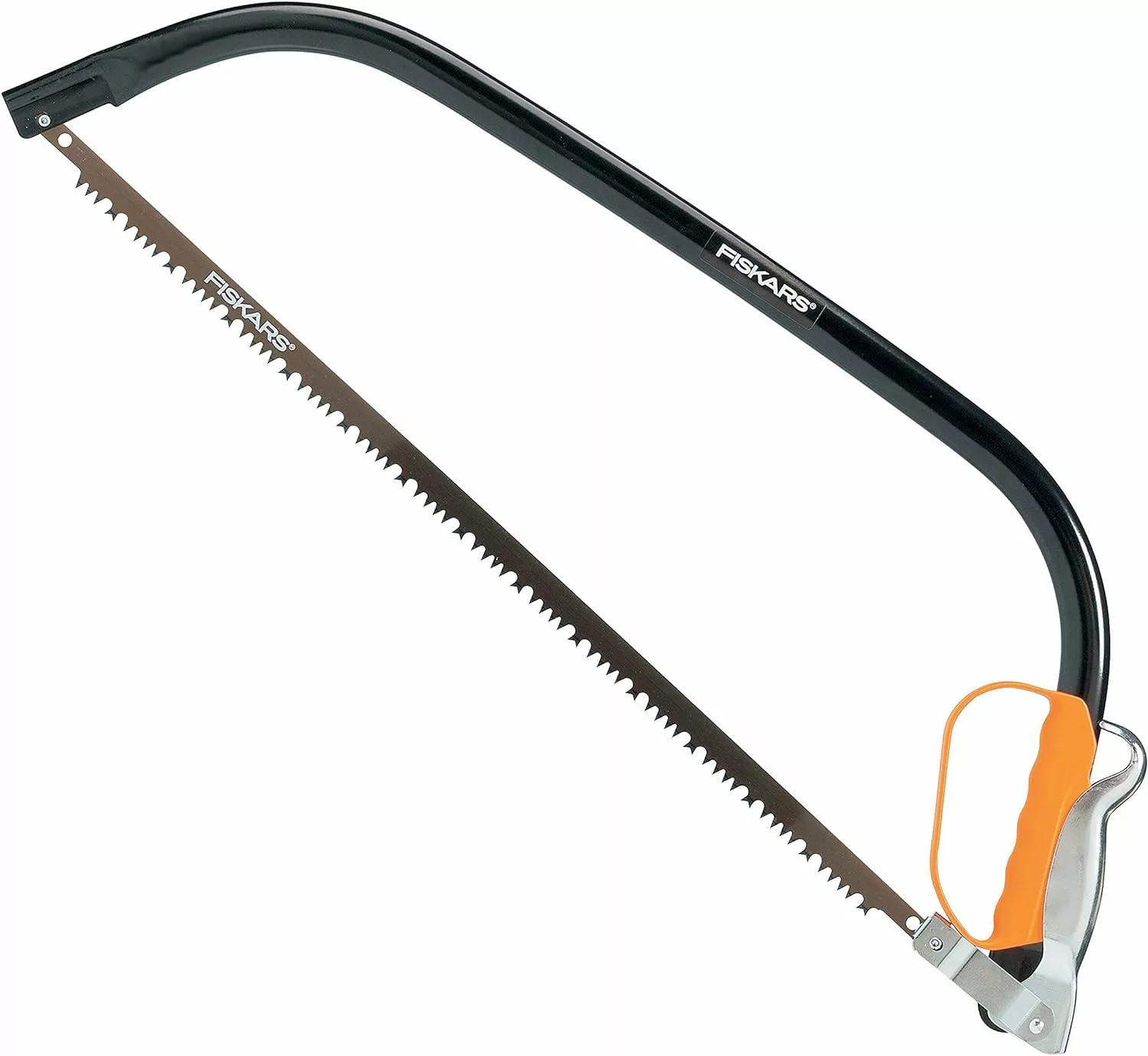
Use Case: – Outdoor wood and green branches Robust and aggressive, the bow saw rips through logs, garden waste, and rough timber fast—perfect for garden clearing or prepping firewood.
Bow saws are mainly used to help cut down trees or branches, and popular for cutting through logs. They offer an affordable and portable solution to a chainsaw as they are much cheaper and can still get through wood really fast.Typically they are sold with a couple of blades, one for dry wood and one for wet woods – wet woods are things live branches or trees which contain a lot of sap and moisture.They usually have a C-shaped handle.
See Top Rated Bow Saws for UK Use
Japanese Saws
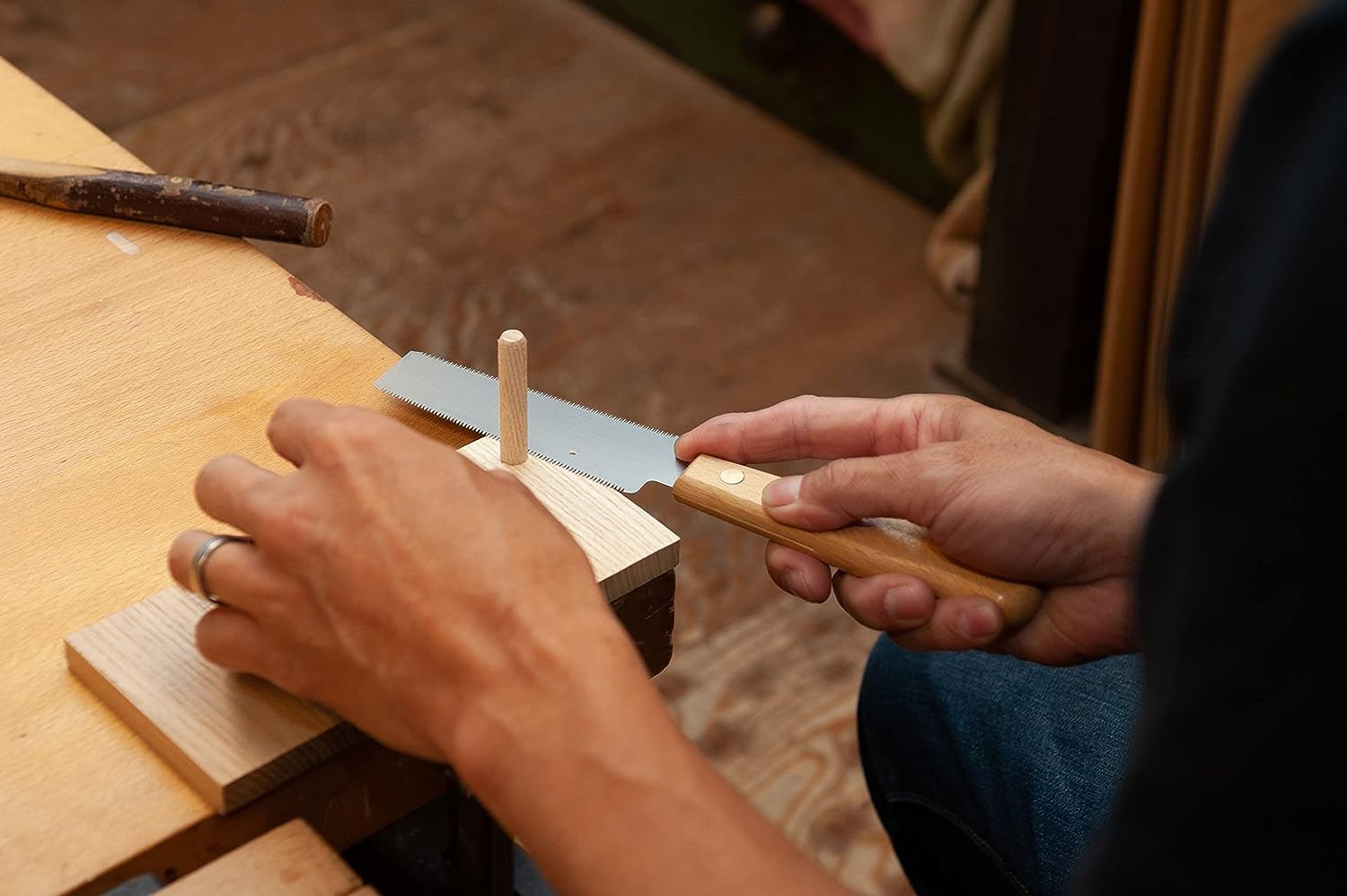
Use Case: – Precision woodworking with minimal effort. These are best for cabinetry, dovetails, fine joinery. Unlike Western saws, Japanese pull saws cut on the pull stroke—allowing for thinner blades, cleaner cuts, and greater control.
Ideal for delicate woodworking, they’re a favourite among UK furniture makers and hobbyists alike.
The familiar types of Japanese saws are Dozuki, Ryoba, Kugihiki, Azebiki, Oga and Mawashibiki.They are good saws for finer work on frames, picture rails and skirting boards. They are also good for cutting along the bottom of doors.
HackSaws
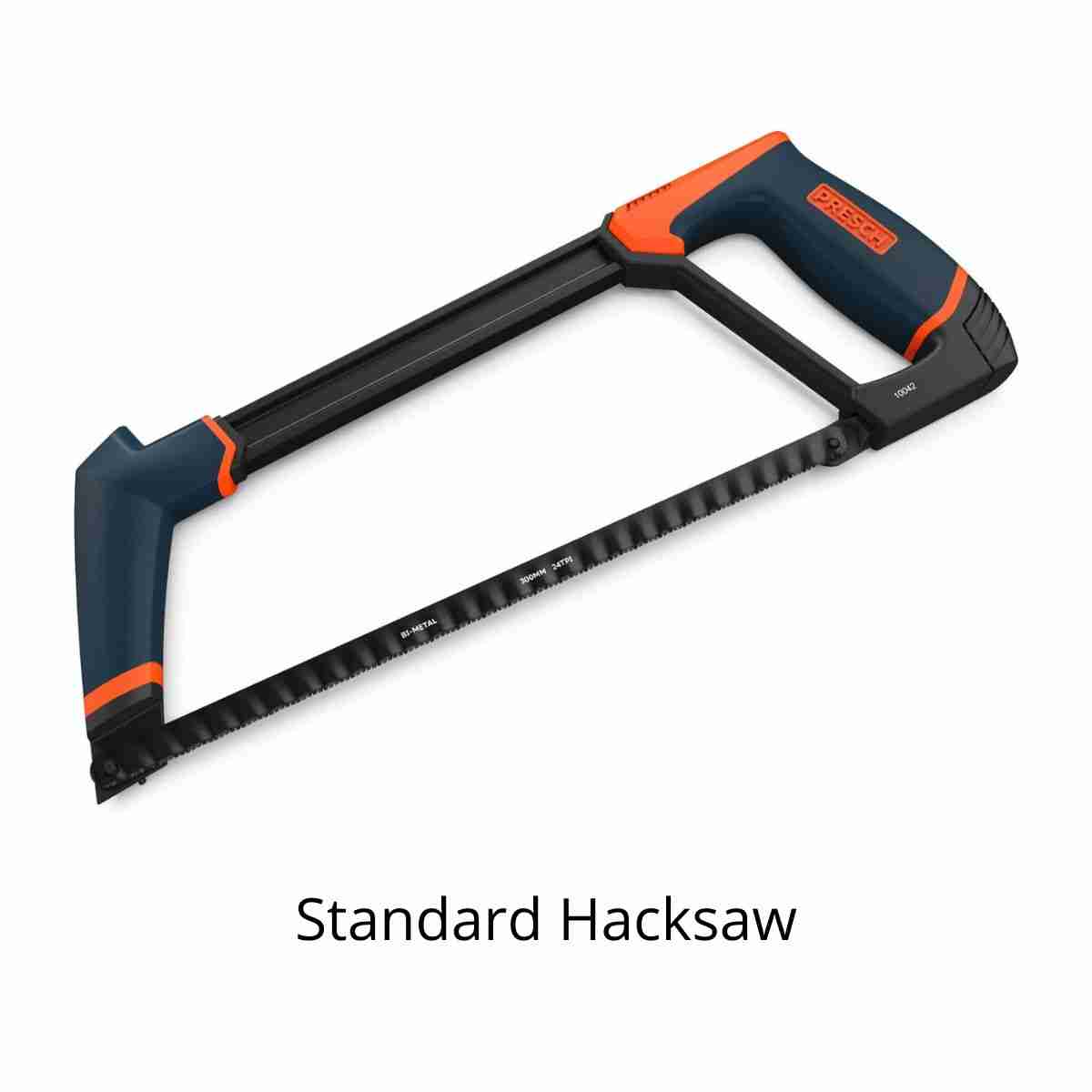
Use Case: – these are designed for cutting metal, plastic, and pipework. Mainly used for plumbing, brackets, general repairs. They are a must-have for slicing through copper pipe, steel rods, or plastic conduit.
The hacksaw’s fine-toothed blade and tensioned frame make it ideal for clean, controlled cuts in non-wood materials.
The standard UK hacksaw has a narrow flexible blade that gets tensioned on a rigid C-frame. It can cut thin sheet metal and also cut through bolts and screws if required.Blades with lower teeth per inch work better for tougher and thicker metals such as steel and iron, though they do leave quite a rough cut. Higher TPI blades are better for cutting thin or soft metals such as copper and aluminium.
What is a Junior Hacksaw?
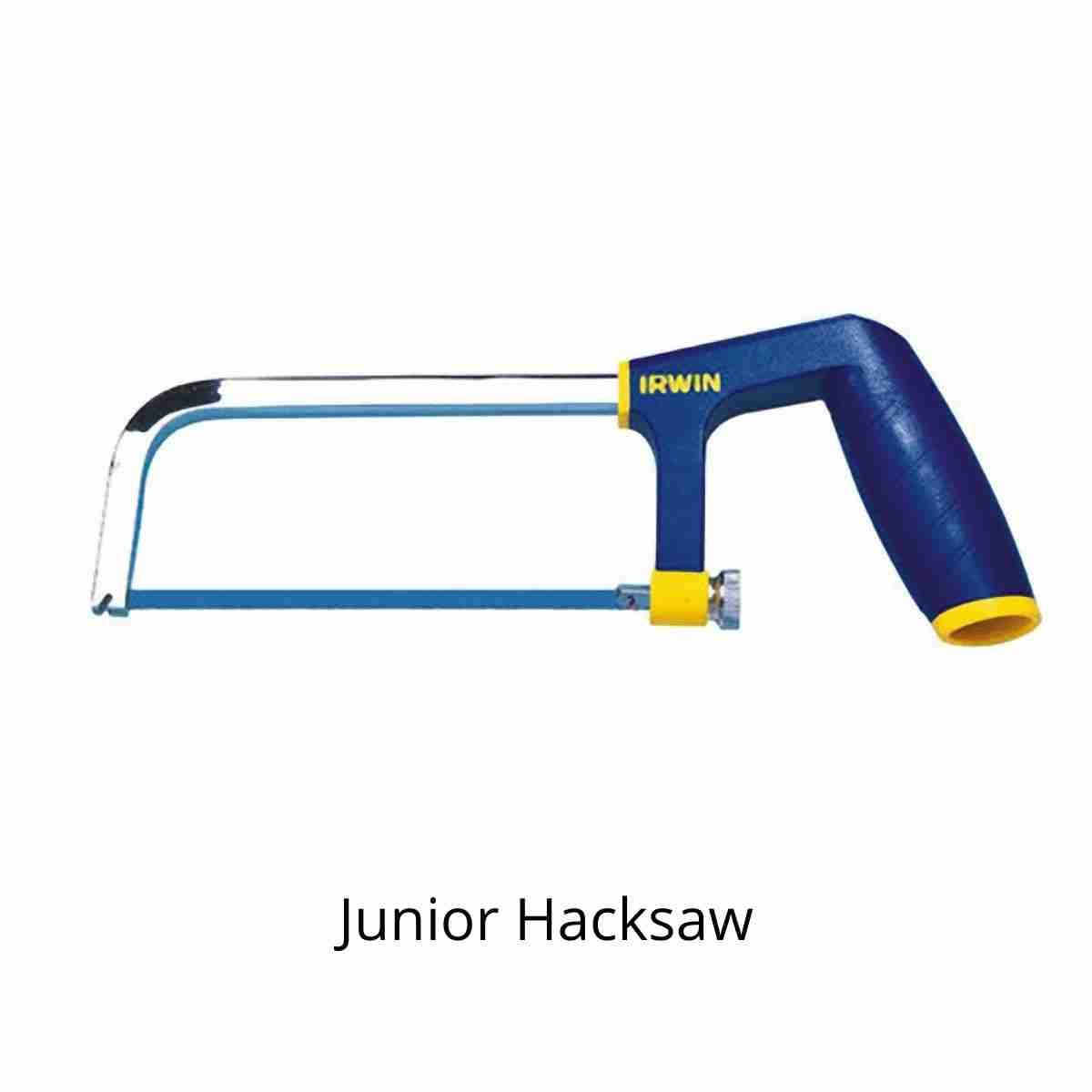
Use Case: – Ideal for light-duty cuts in tight spaces. Commonly used in model making, cutting plastic pipe, and working in confined areas. It is a compact version of the hacksaw, perfect for small-scale jobs or where space is limited. Great for hobbyists, quick fixes, or cutting plastic trunking and bolts.
In most cases they are 150 mm long (6″) and about half the size and blade length of the standard 300 mm (12″) hacksaw. These are just easier to store in your tool box or tool bag and are also much lighter. The downside is that the stroke length is shorter so you will need a few more strokes to cut through plastic and metal.Ideal for doing small quick jobs where a standard hacksaw is not necessary.The blades are simple to change and any 150mm blade can be used as a replacement between brands.
Some junior hacksaws use a pistol style grip such as the Irwin junior hacksaw shown above, whereas, other brands will use a more basic handle. The pistol style grip does offer more control and as such is better for making more accurate cuts.
Hand Saw Comparison Table (UK DIY Guide)
Saw Type | Best For | Typical Use Case | Precision | Material |
|---|---|---|---|---|
General Purpose Hand Saw | All round wood cutting | Timber, Sheet Material | Medium | Wood |
Floorboard Saw | Plunge cuts in flooring | Floorboards or sheets | Medium | Wood |
Coping Saw | Curved trim cuts | Skirting, moulding | High | Wood, plastic |
Fret Saw | Delicate craftwork | Scroll work, modelling | Very high | Thin wood, balsa |
Tenon Saw | Precise joinery | Mortise & Tenon, mitre box cuts | High | Wood |
Dovetail Saw | Fine joints | Dovetails, small carpentry | Very high | Wood |
Mitre Box Saw | Angle guided cuts | Frames, Architrave, Trim, Skirting boards | High | Wood |
Pad Saw | Internal access | Cutting holes in plasterboard | Low – Medium | Plasterboard, PVC |
Bow Saw | Rough outdoor cuts | Logs, branches, garden timber | Low | Wood |
Japanese Pull Saw | Super fine woodworking | Joinery, cabinetry, clean line cuts. | Very high | Wood |
Hacksaw | Non wood materials | Metal pipes, brackets | Medium – High | Metal, plastic |
Junior Hacksaw | Confined spaces, light cuts | Plastic piping, trunking, modelling | Medium | Plastic, soft metal |
Accessories & Must-Have Extras for Hand Saw Projects
Mitre Boxes
For anyone using a tenon, dovetail, or mitre box saw, a mitre box is a game-changer for repeatable, clean angles (especially 45° and 90° cuts).
Are Mitre Boxes Worth it for UK DIYers?
Safety Gear
Even for hand tools, proper protection matters:
- Work gloves to prevent splinters and abrasions
- Dust mask for MDF or softwood cutting
- Safety goggles if you’re sawing above shoulder height or trimming metal
You can find affordable, trade-rated gear at B&Q, Toolstation, or Wickes.
Spare Blades: Stay Sharp, Cut Clean
Many saws—like coping, hacksaw, junior hacksaw, and Japanese pull saws—use replaceable blades. Keeping spares on hand ensures cleaner cuts and less frustration mid-project.
Top picks:
- Bahco 12″ Bi-Metal Hacksaw Blades – long-lasting and shatterproof
- Draper Junior Hacksaw Blades (10-pack) – ideal for plastic and light metal
- Japanese Pull Saw Blades (SK5 steel) – for ultra-fine woodworking
Marking & Measurement Tools
Accurate cuts start with accurate lines. For best results, pair your saw with:
- Try square or combination square – for 90° accuracy
- Marking knife or deep-hole pencil – for crisp layout lines
- Tape measure or folding rule – essential for repeatable cuts
Brands like INCRA, FastCap, and Tracer offer excellent UK options
Saw Storage & Organisation
Protect your tools and keep your workspace tidy:
- Wall-mounted racks – ideal for bow saws and hand saws
- Blade guards or sleeves – especially for pull saws and tenon saws
- Toolboxes with saw compartments – great for mobile DIYers
Check out the StealthMounts Track Rack or Stanley Saw Storage Box for UK-friendly solutions
Frequently Asked Questions (Hand Saw UK Guide)
Q. Which saw is best for beginners?
A – If you’re just starting out with DIY in the UK, a general-purpose hand saw is your safest bet. It’s affordable, versatile, and works well on most softwoods and sheet materials.
Q. Can I use the same saw for wood and metal?
A. – Not really. Woodcutting saws (like hand saws or tenon saws) have larger, aggressive teeth. For metal or plastic, you’ll want a hacksaw or junior hacksaw with fine, hardened teeth designed for harder materials.
What’s the difference between a coping saw and a fret saw?
A – Both are designed for curved cuts, but fret saws are more precise. A coping saw is better for skirting and trim, while a fret saw shines in delicate craftwork and tight internal curves.
Do I need a mitre box with a tenon saw?
A – You don’t need one—but you’ll get much better results for 45° or 90° cuts. Mitre boxes guide the saw and reduce error, especially on architrave, picture frames, and skirting.
What’s special about a Japanese pull saw?
A – Unlike most Western saws that cut on the push stroke, Japanese pull saws cut on the pull. That allows for thinner blades and cleaner, more controlled cuts—ideal for fine joinery and cabinetry.
Can I use a pad saw on plasterboard?
A – Yes. Pad saws (also called jab saws or drywall saws) are ideal for cutting small access holes in plasterboard, such as around sockets or pipes. They’re lightweight and easy to control.
When should I use a floorboard saw?
A – If you need to remove or trim floorboards without lifting entire sections, the floorboard saw’s rounded tip lets you start cuts mid-panel. It’s great for access panels, repairs, or refitting sections.
Ready to Make the Cut? Choose the Right Saw for Your Next Project
You’ve now seen every major type of hand saw available in the UK—from rough timber busters to precision joinery tools. Whether you’re hanging shelves, trimming skirting, or crafting cabinetry, the right saw makes every job faster, cleaner, and more enjoyable.If you’re still not sure which tool to grab first, start with one of our UK-tested guides or explore our full hand saw category for detailed reviews.