
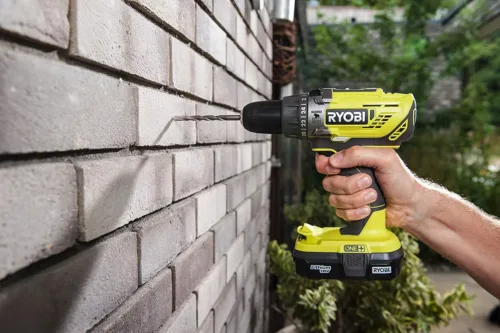
Stepping up from hand tools to power tools can feel like a bit of a challenge. In the UK, the “middle aisle” of supermarkets and massive warehouse stores like Screwfix or B&Q offer an overwhelming variety of choices. However, for a homeowner, you don’t need a professional grade van full of kit or tools to get the job done.
This guide will explain the essential power tools for UK DIY,
When it comes to buying power tools it can feel a little bit intimidating for beginners. The main purpose of any power tool is that they are the fastest way to tackle DIY projects with confidence.
The jobs they can help with are drilling holes, sawing wood, sanding surfaces etc. Owning the right starter tools make home improvement easier and more enjoyable.
This guide explains the essential power tools for UK beginners, what they’re used for, helping you choose the right “ecosystem,” how much they cost, and how to use them safely.
1. The Essential Beginner’s Power Tool Kit
If you are starting from scratch, these are the tools that will cover 90% of household tasks, from hanging a heavy mirror on a brick wall to building flat-pack furniture.
The Combi Drill: The Ultimate All-Rounder
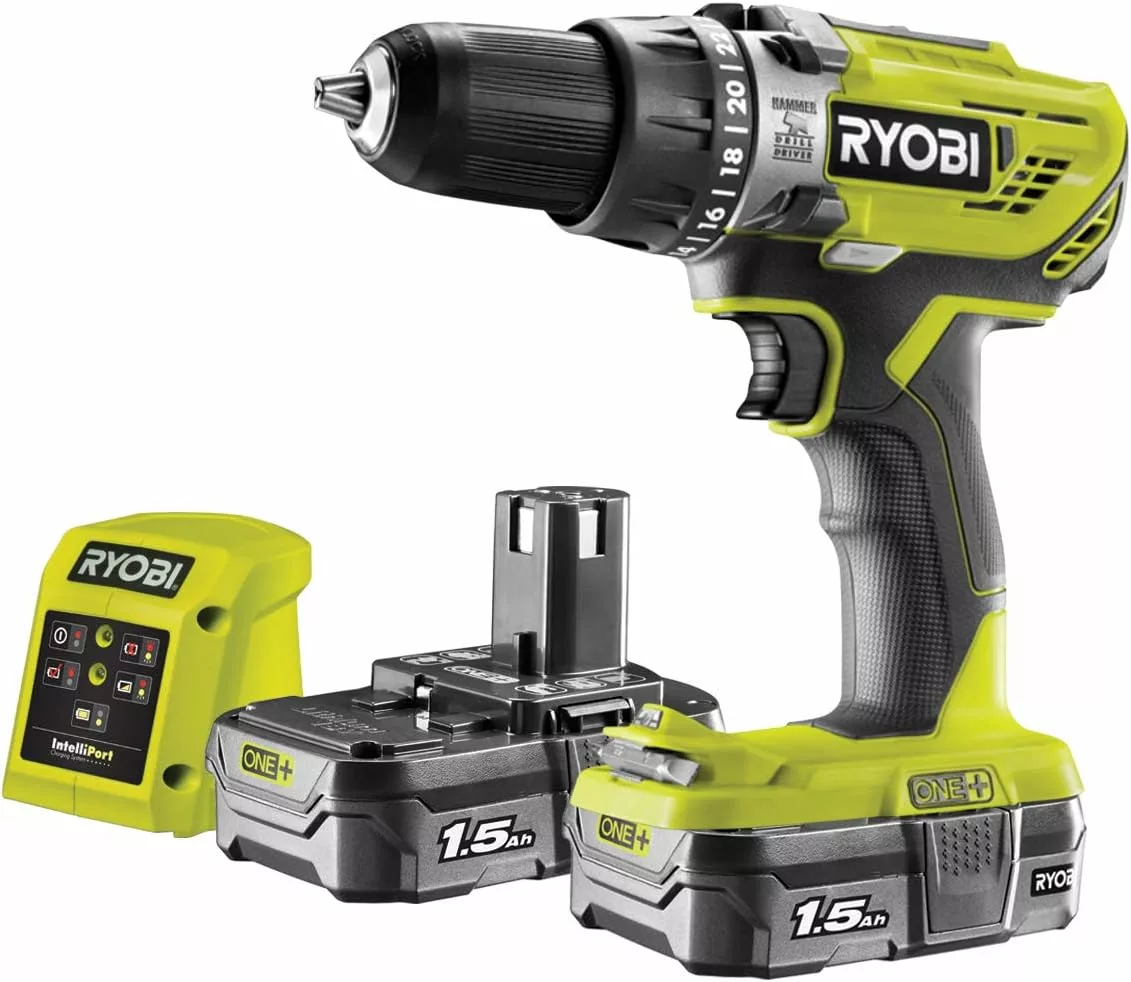
A Combi Drill (Combination Drill) is the single most important power tool you will own. It performs three distinct functions:
- Screwdriving: For putting together furniture.
- Drilling: For making holes in wood, plastic, or metal.
- Hammer Function: Essential for UK homes, as this allows you to drill into masonry and brickwork.
- Purpose: Drilling holes and driving screws.
- Beginner Tip: Choose an 18V cordless drill/driver which is versatile for most household jobs.
- UK Context: Entry level models from Bosch or Ryobi cost £40–£60 at Screwfix or B&Q.
- Safety Note: Always start at a low speed when driving screws.
Expert Tip: If you plan on drilling walls, then make sure your choice includes a hammer function.
Impact Driver
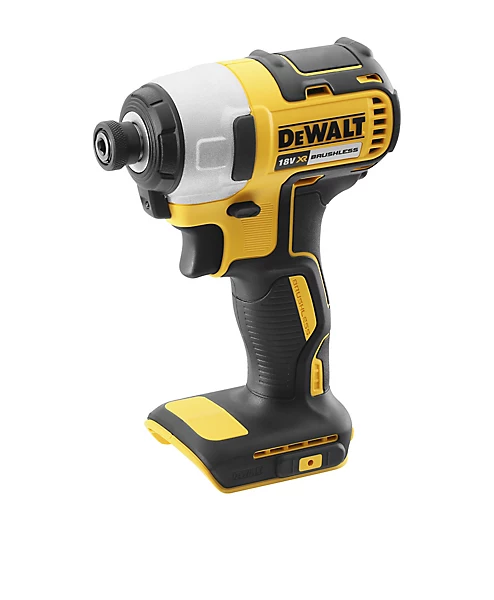
While a drill makes holes, an Impact Driver is specialised for driving long screws into tough timber.
It uses a concussive “hammering” force that prevents the bit from slipping out of the screw head (cam-out). If you’re building a garden deck or a fence, this is a lifesaver.
Expert Tip: There are many types of power saws, but the jigsaw allows you to do both straight cuts and curved cuts, making it versatile.
Jigsaw
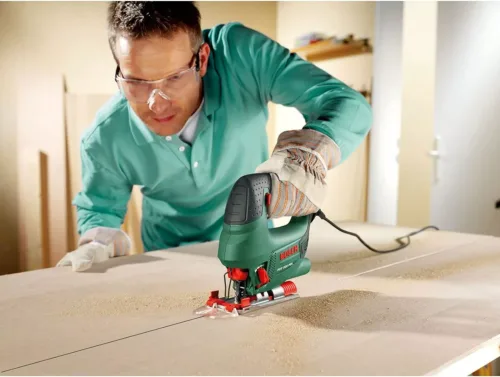
For cutting shapes, notches, or shortening a piece of timber, the Jigsaw is the safest and most versatile entry level saw. It’s perfect for cutting holes in kitchen worktops for a new sink or trimming laminate flooring.
- Purpose: Cutting wood, plastic, or metal with curved or straight cuts.
- Beginner Tip: Great for cutting shelves, laminate flooring, or craft projects.
- UK Context: Budget jigsaws from Black+Decker start around £35–£45.
- Safety Note: Use the right blade for the material (wood, metal, laminate).
Expert Tip: There are many types of power saws, but the jigsaw allows you to do both straight cuts and curved cuts, making it the most versatile. You can read more here about the best jigsaws for DIYers in the UK.
2. Cordless vs. Corded: Which is Best for You?
In 2026, the debate is largely settled for homeowners, in that most people buy cordless tools. It is worth knowing though there are still specific reasons to choose one over the other.
Feature | Cordless (Battery) | Corded (UK Mains) |
|---|---|---|
Mobility | High (use it anywhere, even in the loft, or in the garden). | Low (limited by cable and socket location). |
Power | High (modern Lithium-Ion is very capable). | Constant (never loses “oomph”). |
Safety | Safer (no trip hazards or cut cables). | Risk of cutting the power lead. |
Price | More expensive (batteries/chargers cost extra). | Cheaper (best value for occasional use). |
Expert Tip: Stick to one “Battery Platform.” Most brands (like Ryobi, Erbauer, or DeWalt) use the same battery for all their tools. Buying “body only” tools (without a battery) once you have a charger can save you a fortune.
3. Understanding UK-Specific Features
When shopping in the UK, you’ll see specific terms that can be confusing for beginners.
Brushless Motors
You will see “Brushless” written on many modern tools. These motors are more efficient, run cooler, and last longer than traditional “brushed” motors. While they cost more, they are a better long term investment. You can read more here about brushless technology for tools.
SDS Drills vs. Standard Drills
If you live in an older UK home with exceptionally hard “engineering brick” or concrete lintels, a standard Combi Drill might struggle. An SDS (Slotted Drive Shaft) Drill is a heavy duty rotary hammer designed specifically for obliterating masonry.
Essential Beginner Power Tools & UK Pricing
Tool | Example (UK Retailer) | Price (approx) | Notes |
|---|---|---|---|
Cordless Drill/Driver | Bosch EasyDrill 18V (B&Q) | £50–£60 | Most versatile starter power tool |
Jigsaw | Black+Decker KS501 (Amazon UK) | £35–£45 | Great for curved cuts |
Impact Driver | Black + Decker 18V Cordless (Amazon UK) | £35–£40 | Compact, beginner‑friendly |
Estimated Total: ~£120–£145 for all three tools (often less with bundle deals)
Buying Tips for Beginners
- The most important thing to consider here is actually the battery pack and not the tool. This is important if you plan on buying cordless power tools.
- Ideally a cordless kit of something like a cordless drill and an impact driver along with 2 batteries and a charger is the best choice. You can read more information on our recommended starter kit options for beginners in the UK.
4. Safety Tips for Beginners
Power tools move fast and can cause serious injury if ignored. Before pulling the trigger, ensure you have the following:
- Eye Protection: Safety goggles are mandatory. A single flying wood chip can cause permanent damage. Read more about safety googles vs safety glasses here.
- Ear Protection: Tools like impact drivers and circular saws operate at decibel levels that can cause hearing loss over time. You can read more here about understanding the correct type of protection.
- Dust Management: Many UK DIY tasks involve MDF or old plaster. Always wear a P2 or P3 rated dust mask and, where possible, attach a vacuum to your tool.
- RCD Protection: If you are using corded tools, ensure your consumer unit (fuse box) has an RCD (Residual Current Device) or use a plug-in RCD adapter to prevent electric shocks.
5. Popular UK Brands for Beginners
You don’t need “Trade” level gear (like Milwaukee or Makita) for occasional DIY, though they are excellent if you have the budget.
- Ryobi (One+ System): Huge range of tools, very beginner-friendly, and all use the same “acid green” battery.
- Erbauer (Screwfix/B&Q): Excellent mid-range performance for the price.
- Black + Decker: Great for very light, occasional household fixes.
- Worx: Innovative designs that often solve specific homeowner problems (like their “Switchdriver” with two rotating heads).
These five power tools form the foundation of a beginner’s DIY toolkit. Start with a cordless drill/driver, then expand into cutting and sanding tools as your confidence grows. With a budget of around £200, you can build a versatile set that covers most household projects.
Ready to Start Your First Project?
Having the right power tools turns a chore into a hobby. Start with a quality Combi Drill and build your collection as the needs of your home grow.