
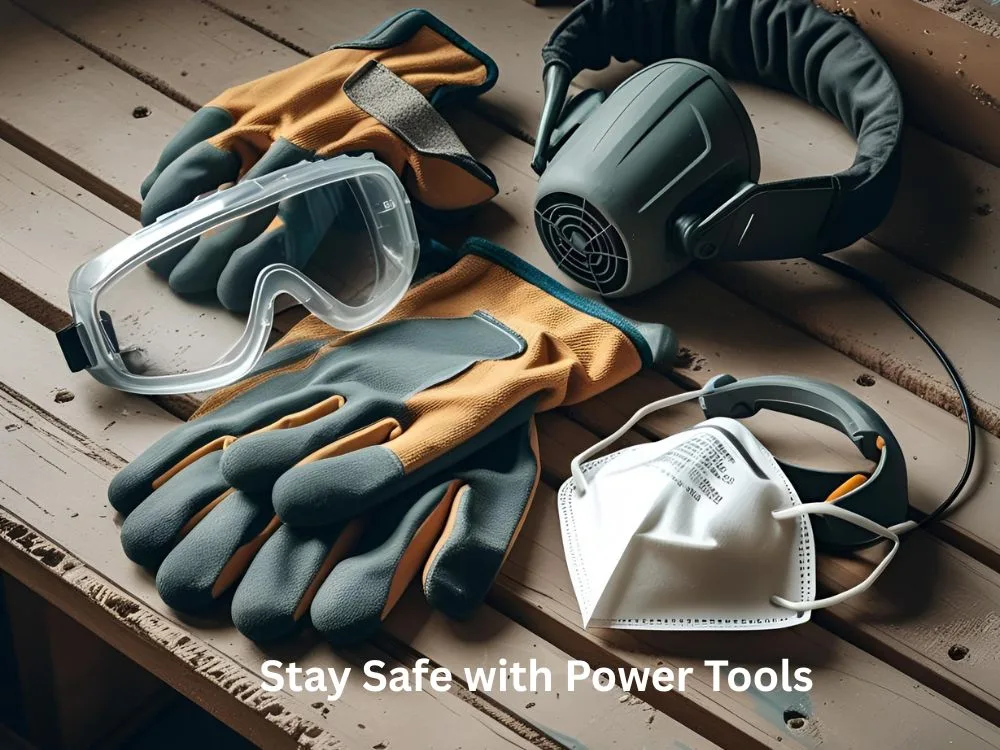
Power tools are brilliant—but they demand respect. Whether you’re drilling into plasterboard or cutting timber with a jigsaw, a few simple safety habits can make your DIY projects smoother, safer, and more enjoyable.
In England, in 2023, around 3215 people were admitted across two years after injuring themselves doing DIY. So it is a serious issue.This guide covers essential safety tips for UK home users and beginners working with corded or cordless tools.
Wear the Right PPE – Personal Protective Equipment
Staying safe is nothing more than a good basic habit. The simple safety items that you need are not expensive. Wearing them avoids having to spend a long time suffering in A&E, treating a gash, or getting something out of your eye.
- Safety glasses – Protect your eyes from dust, chippings or flying debris
- Dust mask or respirator (especially when cutting MDF or sanding off old paint)
- Ear protection – Use ear defenders or plugs for noisy tools like saws and grinders
- Gloves – Use when handling blades or rough materials, but not while operating spinning tools
- No loose clothing or jewellery – Tie back long hair and avoid anything that could get caught
Tip: Choose PPE suited to your task—e.g. thicker gloves for rough timber, lighter gloves for precision work.
Prep Your Workspace
Just like wearing the proper safety gear, taking just a minute to check the area you are working in really doesn’t take a long time. Here’s what to do and whet to look for.
- Clamp your material securely to prevent movement. This doesn’t take long and makes for more accurate work and no danger of fly aways.
- Clear your work area of clutter, cords, and flammable items. Just a quick look around and move anything that shouldn’t be there out of harm’s way.
- Keep pets and children away from the workspace
- Check lighting—a well-lit area reduces mistakes. It’s almost always better to work outside when you can, to help disperse dust and make use of natural daylight
- Position cords and batteries so they’re out of your cutting path which will keep you safe. Regularly check especially if using a corded power tool.
Use Tools Properly
A well-maintained tool is a safer tool. Make it a habit to:
- Inspect cords and batteries for damage on a regular basis
- Replace dull blades or bits—they cause splintering and kickback and let’s be honest, they don’t work that well.
- Clean vents and surfaces to prevent overheating. This is important for all types of power tools
- Store tools safely in a dry, clean organised space
Tip: Use magnetic strips or labelled containers to store blades and accessories neatly.
Maintain Your Tools
- Inspect cords and batteries
- Replace dull blades
- Store tools safely
Common Hazards
Even experienced DIYers slip up—here’s what to watch for:
- Kickback: This happens when blades bind to the material you are cutting—keep your material clamped and your blade sharp, and don’t use excessive force on the power tool
- Splintering: Use the right blade and orbital setting for clean cuts
- Electric shock: Always hold tools by insulated grips and avoid damp conditions
- Overconfidence: Stay alert—most accidents happen when people get too comfortable or tired.
My Final Thoughts and Considerations
Power tools are really useful and make jobs faster, but only when used with care. A few simple precautions—like wearing safety gear, clamping your work, and using the right blade—can make your cuts cleaner and your projects safer.
Want to keep building your confidence? Check out:
- Essential Power Tools for DIY Beginners
- Must-Have Accessories for Your Power Tool Kit
- Top 5 Cordless Drill Sets for Home Use