

If you walk into a Screwfix or Toolstation today, the wall of yellow, blue, and teal can be blinding. Every brand claims to be the “professional’s choice,” but after 50 years of sawdust and stripped screws, I know the truth: The “best” brand doesn’t exist, there is only the best brand for you.In this guide, I am not going to bore you with corporate history. I’m going to tell you which batteries actually last in a cold UK shed, which drills will snap your wrist with torque, and which “budget” brands are a total waste of your hard-earned cash.
Why trust my verdict?
- I’ve spent five decades on UK building sites and in my own workshop. I’ve seen the “old reliable” brands go downhill and the “cheap” brands suddenly become world-class. I buy my own tools with my own money, so I don’t owe these manufacturers a penny.
The Big Three: The “Enda” Verdict
1. DeWalt – The All Rounder
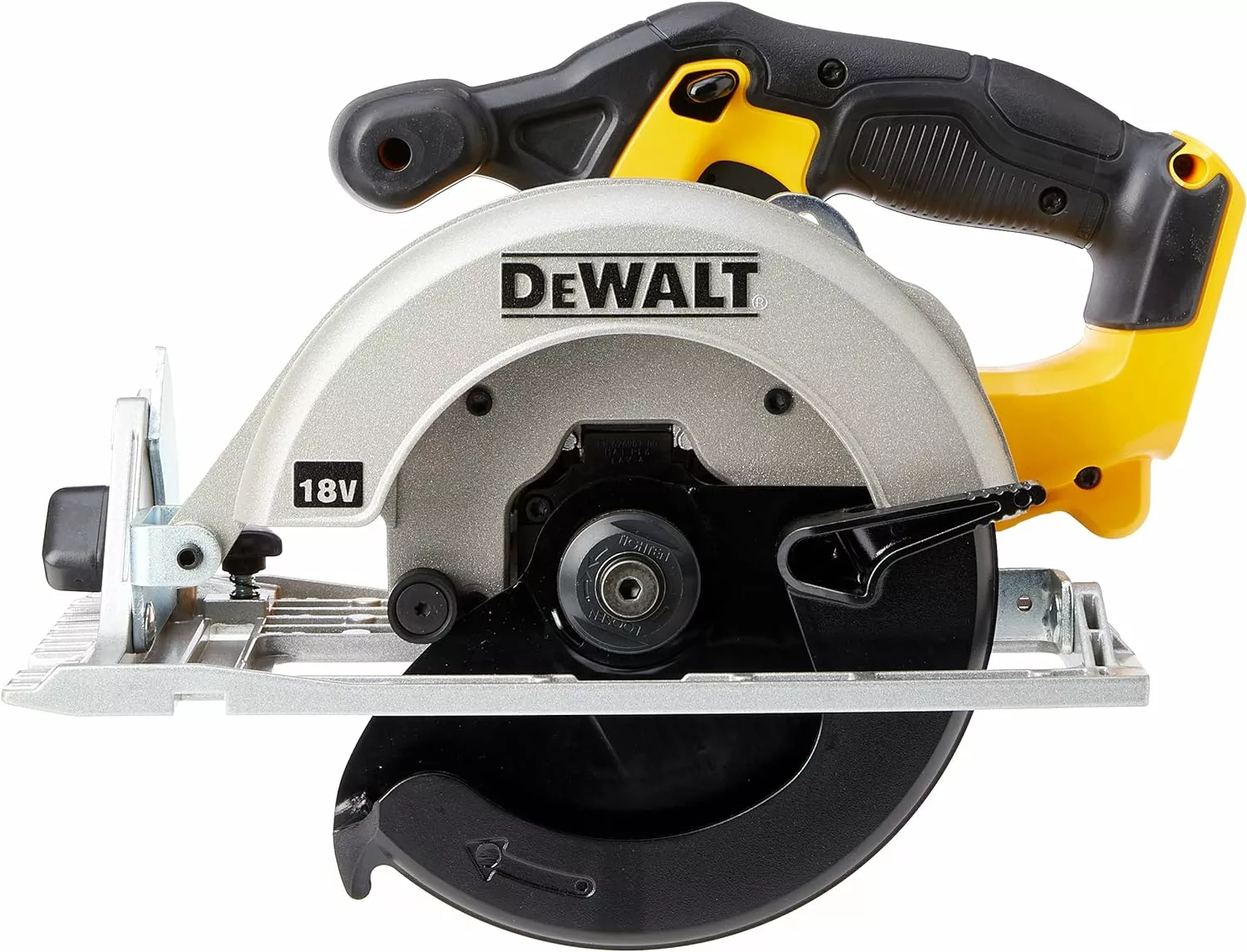
DeWalt is the “Ford Focus” of the tool world. They are everywhere, parts are easy to find, and their 18V XR system is incredibly robust.
- My Take: If you’re a DIYer who wants one battery system for everything from a drill to a lawnmower, go yellow.
- The Warning: Don’t get sucked into their “Powerstack” batteries unless you really need the compact size, the standard 5.0Ah XR packs are much better value for money.
DeWalt tools are built tough. Their XR 18V cordless range is especially popular for drills, impact drivers, and saws.
- High torque and performance
- Durable design with rubber overmould grips
- Slightly heavier tools
- Often sold in kits with batteries and charger
Best for: DIYers tackling heavier-duty projects or outdoor builds. Personally these are always my first choice as battery life is amazing, the quality of the tools are excellent and they have a wide range of cordless tools with good warranties and good after service.
Just like Makita and Milwaukee, you will pay the higher end prices for these. Serious DIYers will understand that for DIY, you don’t need a large number of power tools. Investing in a few key power tools, made by a really good brand ensures a long tool life and much faster working.
My Personal Verdict: “I bought my first DeWalt tool (the DCD776) in 2010, and instantly noticed the difference from using my old Black+Decker model. It’s encouraged me to buy other DeWalt power tools over time. “
2. Makita – The Precision Specialist
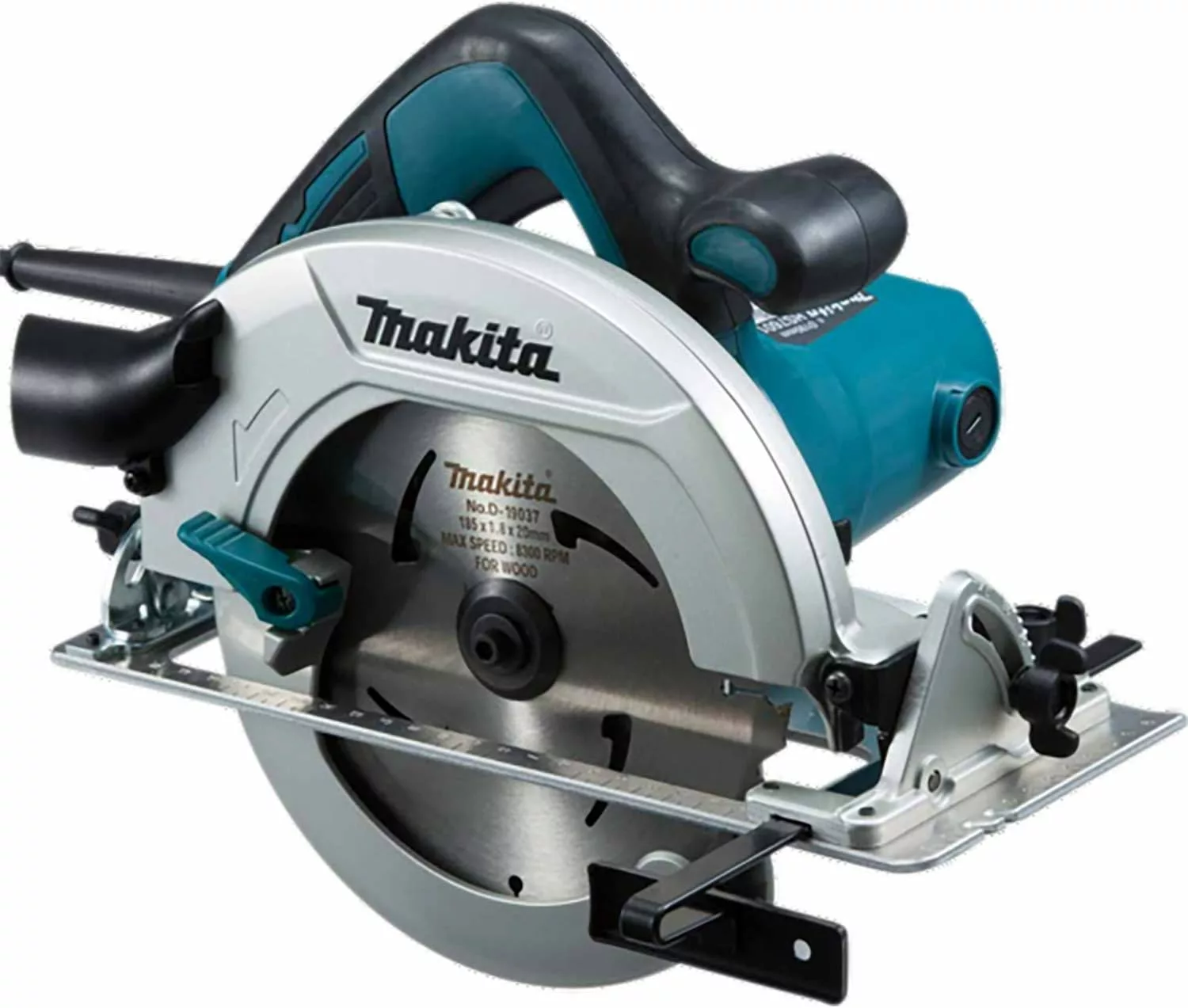
Makita tools often feel a bit “finer” in the hand. Their chargers are the fastest in the business, which is a lifesaver when you’re mid-job and the battery dies.
- My Take: I reach for my Makita when I’m doing “neat” work like kitchen fitting or furniture. They feel less like a blunt instrument and more like a surgeon’s tool.
- The Warning: Their range is massive and can be confusing. Stick to the 18V LXT range for now; the new 40V XGT stuff is overkill for most DIYers.
Makita has been a trusted name in the UK since the 1970s. Known for its durability and wide tool range, it’s a favourite among both professionals and serious DIYers.
- Excellent cordless range (18V LXT system)
- Great build quality and long tool life
- Mid-to-premium pricing
- Ideal for drills, saws, and multi-tools
Best for: DIYers who want pro-grade tools that last. If you think you are going to be doing a lot of DIY, then these tools last for years and are top of the range.
Almost every DIYer has moved to cordless and Makita have an excellent range of tools. It’s worth knowing they are not cheap, but they are a fantastic investment. You do need to be undertaking a lot of DIY jobs and projects around the home to invest in this quality of tools.
My Personal Verdict:“I bought my first Makita in the 1980s, and while the batteries have changed, the build quality hasn’t. If you’re building a deck this summer, this is the one I’d trust.”
3. Milwaukee – The Powerhouse
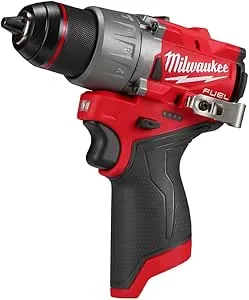
Milwaukee is currently the “cool kid” on the site, but they are expensive. They prioritise raw power and high-tech features.
- My Take: If you’re doing heavy-duty renovation such as ripping out old joists or drilling through solid stone daily, then Milwaukee is worth the premium.
- The Warning: For 90% of home maintenance, you are paying for power you will never actually use.
Milwaukee tools are known for high-end features and serious power. They’re often used by professionals, but DIYers who want the best will appreciate their cordless range.
- Brushless motors and long battery life
- RedLithium battery system
- Higher price point
- Excellent for impact drivers and grinders
Best for:Advanced DIYers or those upgrading from entry-level tools.
My Personal Verdict: “I don’t own any Milwaukee tools because I just couldn’t afford them and could never justify the expense. My plumber uses them and swears by them. I have noticed that many trades own them as well.“
The “Sleeper” Brands (Where the Value Is)
Ryobi – The King of the Homeowner
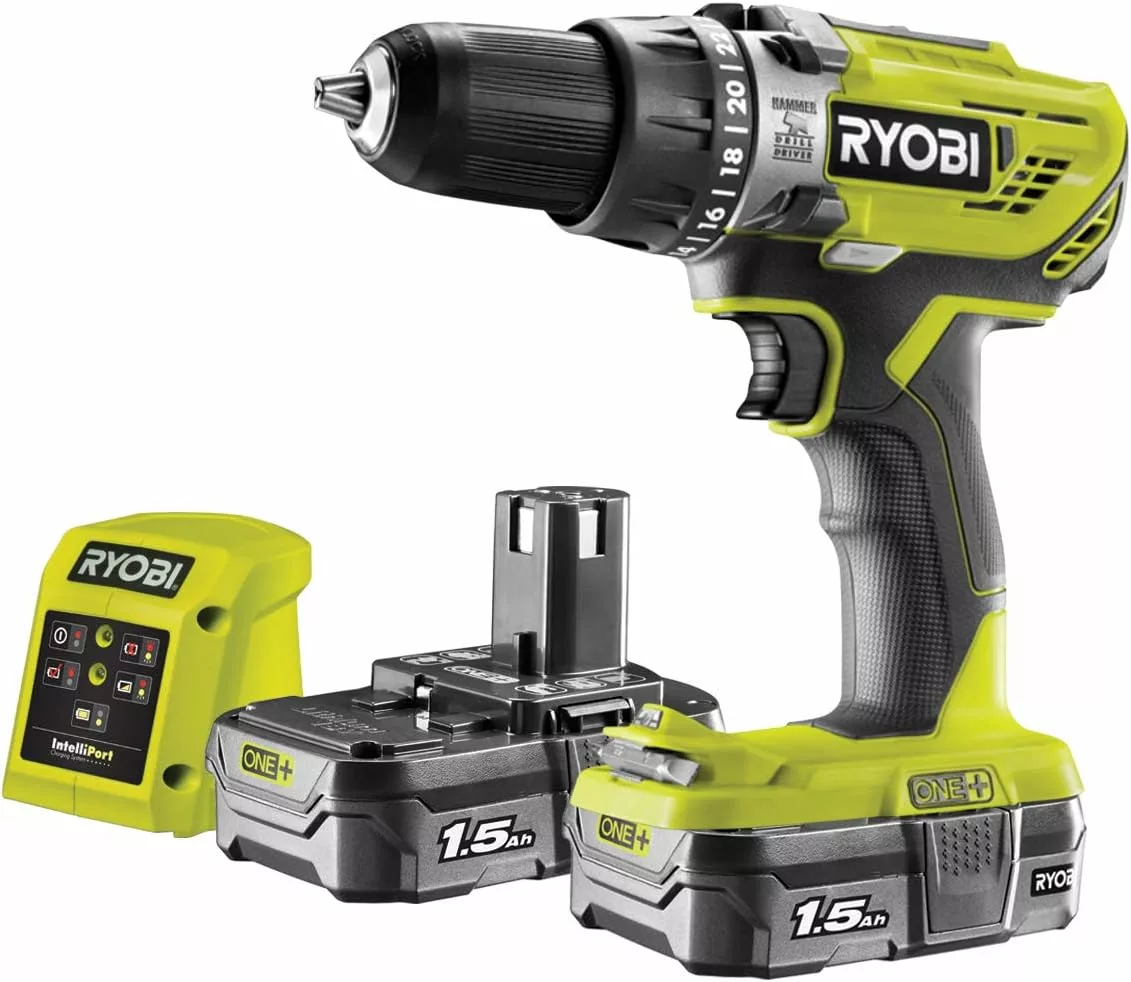
If you aren’t using your tools for a living, Ryobi is often the smartest choice. Their One+ system has been using the same battery shape for over 20 years
- Enda’s Secret: You can often find 10-year-old Ryobi tools at car boot sales for £10, and a brand-new battery from Amazon will still fit them perfectly.
Ryobi’s ONE+ system powers over 100 tools with the same 18V battery. It’s a great choice for casual DIYers building a flexible toolkit.
- Affordable entry point
- Huge range of compatible tools
- Good performance for the price
- Bright green design stands out
Best for: DIYers who want value and expandability.
Ryobi and Bosch are pretty similar in terms of quality and customer service in the UK. They both offer decent warranties and strong customer service. Ryobi is also highly suitable for anyone planning DIY a few times a month.
My Personal Verdict: “I don’t own any Ryobi tools. I have used their drill, impact driver and cordless hedge clippers which my neighbour Geoff owns. Geoff swears by these and I can’t really argue with him as they work really well for general DIY and gardening.“
Bosch – Two Ranges, One Trusted Brand
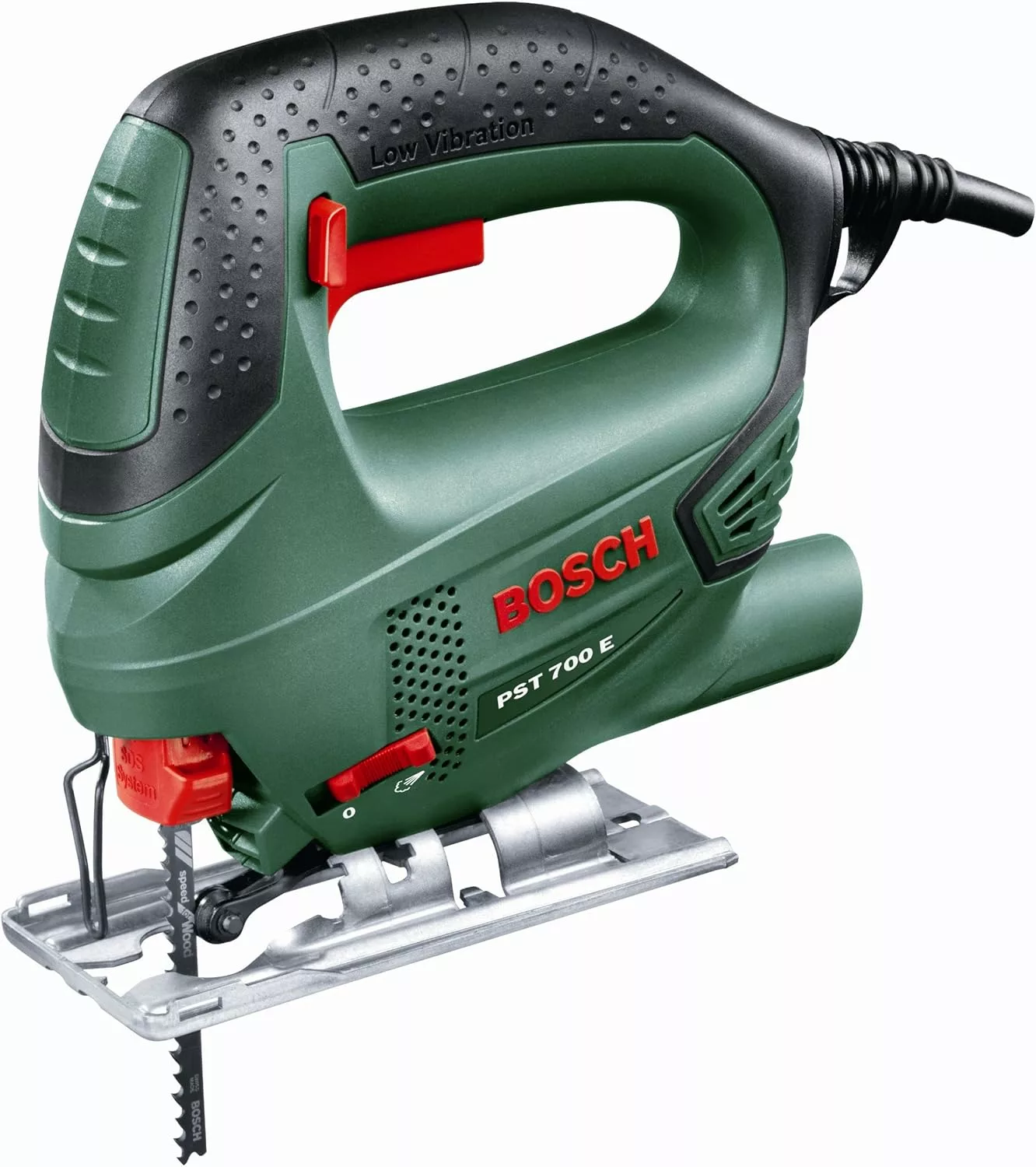
BOSCH GREEN DIY
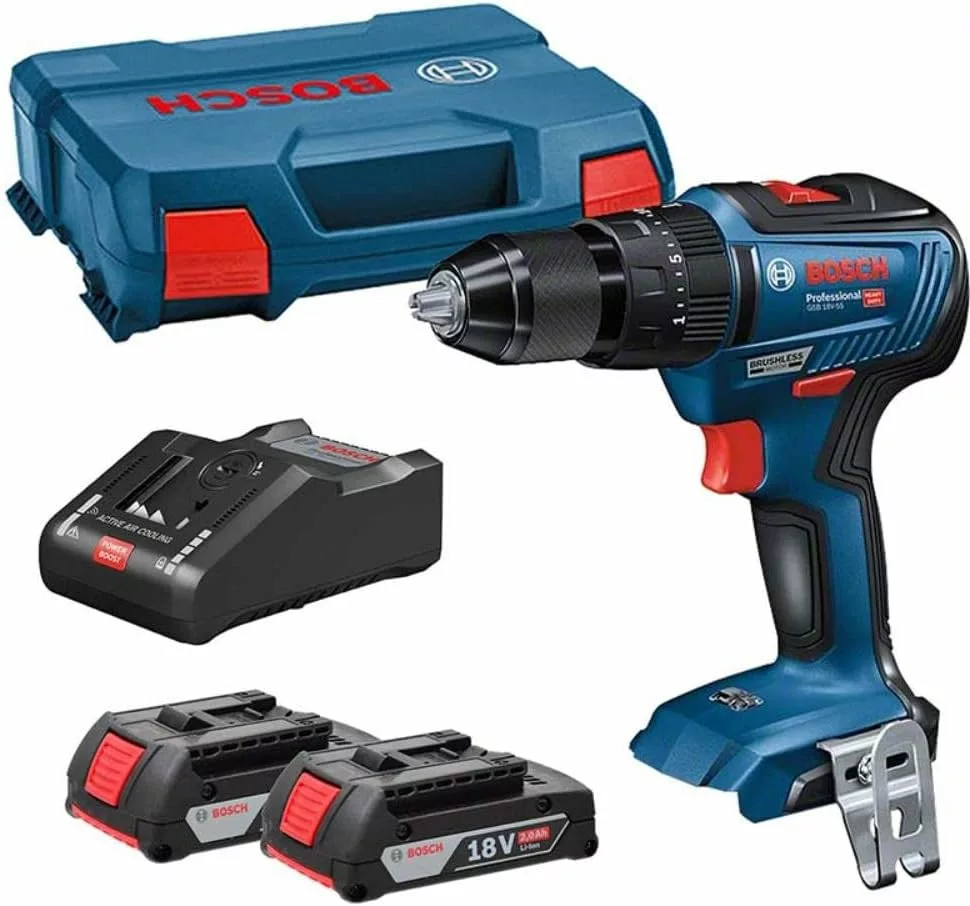
BOSCH PROFESSIONAL
Bosch offers two distinct lines:
- Green Bosch – Designed for DIYers
- Blue Bosch (Professional) – For trade and advanced users
Both are known for precision, innovation, and solid warranties.
- Green tools are lightweight and affordable
- Blue tools offer more power and features
- Excellent for drills, sanders, and jigsaws
Best for: Beginners who want quality without going full pro.
Bosch tools for doing DIY are an excellent choice. Anyone who plans on DIY a few times a month will be well served by buying Bosch tools. They are affordable, easy to use and you can do around 90% of all DIY jobs with a few of their cordless power tools.
My Personal Verdict: “I own a Bosch lawnmower and sander and really like their tools. I also buy a lot of their drill bits because they work really well and are very good value for money.“
Einhell (The Budget Surprise)
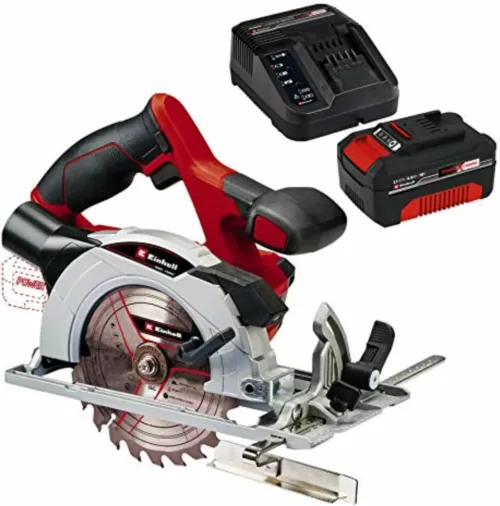
I’ll be honest, ten years ago I wouldn’t have looked at Einhell. But their Power X-Change range is now genuinely good.
The Verdict: If you are on a strict budget but want a 3-year warranty, Einhell is currently beating the “supermarket” brands like Parkside or Work.
Honourable Mentions
- Hi-Spec Tools – Affordable starter kits for light DIY
- Black+Decker – Simple, reliable tools for occasional use
- Draper – UK-based brand with solid hand and power tools
- Erbauer – Screwfix-exclusive brand with good mid-range options
There’s no single “best” brand, just the one that fits your budget, project type, and confidence level. Start with a reliable cordless drill, then build your kit around tools that match your goals.
We would strongly recommend avoiding the really cheap brands like Fadakwalt, MQFORU, DCA etc. They tend to include a power tool with lots of cheap accessories to tempt the buyer. However, buyer beware. Most of these don’t have websites, no customer service and trying to find spares is close to impossible.
How to Choose: The 3-Question Test
Before you commit to a “battery platform,” ask yourself:
- What’s my biggest project? (If it’s a shed build, go DeWalt. If it’s fixing a fence, go Ryobi.)
- How do the tools feel? (Go to a shop and hold them. If you have small hands, Makita is usually more comfortable.)
- What does my neighbour have? (I’m serious! If you both use DeWalt, you can borrow a spare battery when yours is on the charger.)
Enda’s 2026 Power Tool Brand Comparison
Brand | Warranty (Registered) | Battery Highlight | Best For | Best For |
|---|---|---|---|---|
DeWalt | 3 Years | FlexVolt (18V/54V) | Heavy Construction | The best all-rounder for serious DIYers. |
Makita | 3 Years* | 45-Min Rapid Charge | Precision & Comfort | The most “refined” feel; great for joinery. |
Milwaukee | 3 Years** | M18 High Output | Raw Power | Incredible power, but you pay a premium. |
Ryobi | 3 Years | 20+ Years Compatibility | Value & Home Life | Unbeatable for garden and hobbyist use. |
Einhell | 3 Years | Power X-Change | Budget Projects | The best “cheap” brand that isn’t actually cheap |
*Note: Makita batteries/chargers now carry a 2-year warranty if bought after April 1st, 2025.
**Note: Milwaukee exclusively offers 3 years on batteries and chargers too, most others only give 1-2 years.
Key Takeaway:
If you’re starting from scratch in 2026, I recommend DeWalt for raw versatility or Ryobi if you want to save money for materials.
Enda’s Workshop FAQ: The Real Truth
Q: Can I use a DeWalt battery on a Makita tool (or vice versa)?
The Short Answer: No.
The Workshop Reality: Each brand has a “proprietary” connection (the plastic shape and the metal pins). While you can buy cheap plastic adapters on Amazon for £15, I don’t recommend them. They often bypass the safety communication between the battery and the tool, which can lead to your battery overheating or your motor burning out. Stick to one “team.”
Q: Are brushless tools actually worth the extra money?
The Verdict: Yes, but only if you use them weekly.
Why: Traditional “brushed” motors have physical carbon brushes that wear out and create friction (heat). Brushless motors are electronic; they are more powerful, run for 50% longer on one charge, and don’t “spark” as much. If you’re just putting up a shelf once a year, buy the cheaper brushed model. If you’re renovating a house, go brushless.
Q: Why does my battery die so fast in the winter?
The Secret: Lithium-ion batteries (the ones in modern cordless tools) hate the cold. If you leave your batteries in a damp, freezing UK shed in January, the chemical reaction inside slows down.
The Tip: Bring your batteries inside the house during winter. A “warm” battery will give you full power instantly; a “frozen” one will feel sluggish and die halfway through your first cut.
Q: Is it okay to leave my battery on the charger overnight?
The Verdict: With modern chargers from brands like DeWalt and Makita, it’s generally safe because they have “smart” chips that stop the flow of electricity once full. However, for long term health, I always pull mine off once the green light is solid. It’s better for the battery cells and safer for your workshop.
Want help choosing your first tool? Check out:
- Essential Power Tools for DIY Beginners
- Top 5 Cordless Drill Sets for Home Use
- Must-Have Accessories for Your Power Tool Kit