
For any professional UK tradesman, managing waste isn’t just an environmental consideration, it’s a legal obligation under the Waste Electrical and Electronic Equipment (WEEE) Regulations in the UK.
Power tool batteries and the tools themselves are classified as “Hazardous Waste” due to their chemical composition (particularly Lithium-ion and NiCad batteries), and simply throwing them in a skip or general waste bin is illegal.
Failure to comply with WEEE legislation not only risks fines and prosecution from environmental agencies but also damages your reputation and business reputation.
Our guide breaks down the complex UK regulations, focusing on the essential Business-to-Business (B2B) requirements to ensure your old equipment is recycled safely, legally, and conveniently.
Defining WEEE: Tools and Batteries as Hazardous Waste
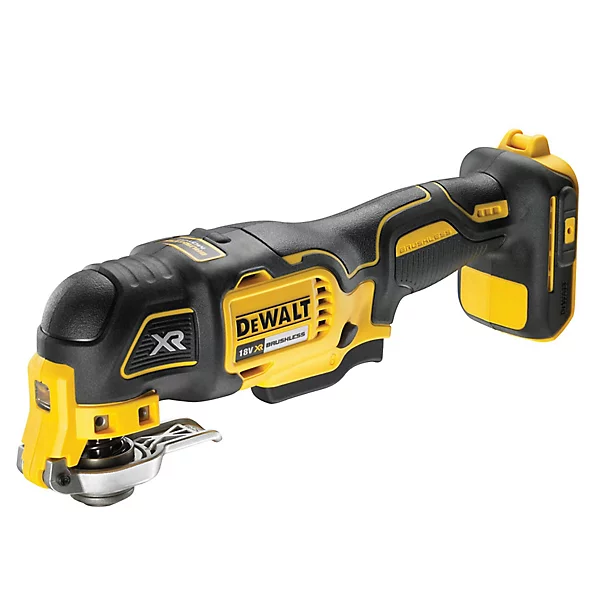
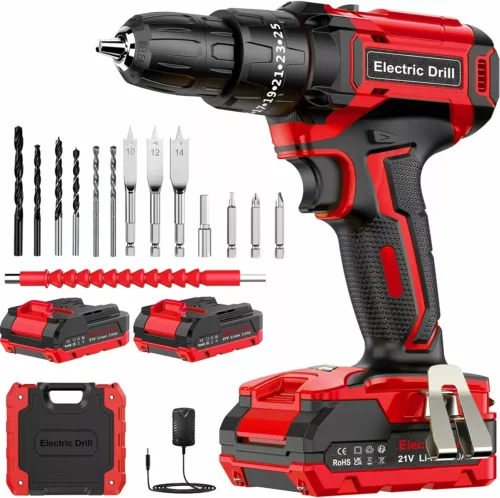
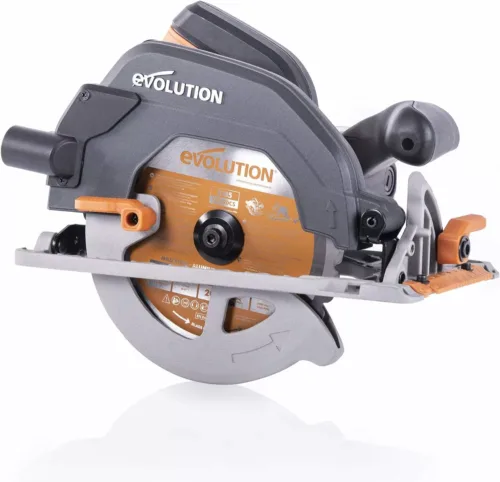
The WEEE Directive applies to virtually all electrical and electronic equipment that relies on electric currents or electromagnetic fields to function. This means all cordless and corded power tools are covered within this remit.
 |  |  |
|---|
1.1 Tool Classification (E-Waste)
Under WEEE, your old drill, grinder, or impact wrench falls into the general category of “E-Waste.” Since most tradesmen use these tools for commercial purposes, they are classified as B2B E-Waste.
- The Law: Producers (manufacturers/importers) have the primary responsibility to fund the recycling of B2B WEEE. However, the end-user (the tradesman or business) has the responsibility to ensure the equipment is deposited at a licensed collection point.
- The Risk: Dumping B2B waste illegally can lead to significant penalties, especially for repeat offenders.
Is It Illegal to Throw a Cordless Drill in a Skip in the UK?
1.2 Battery Classification (The Biggest Risk)
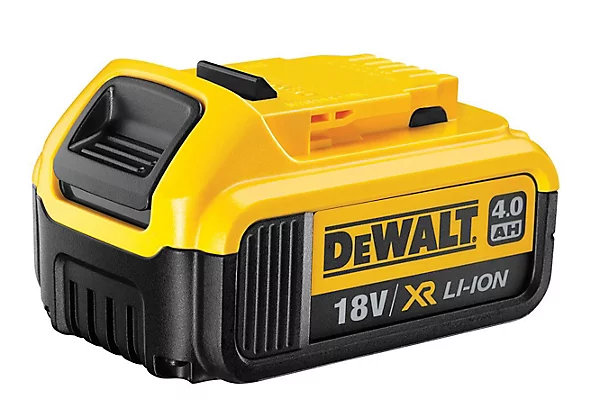
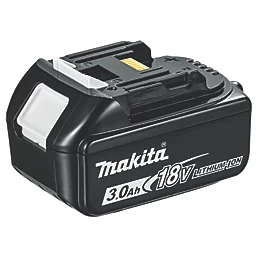
Batteries are governed by separate, though complementary laws namely the, Battery Regulations (2009). Lithium-ion batteries, in particular, pose a significant fire hazard if damaged or crushed.
 |  |
|---|
Battery Type | WEEE Classification | Disposal Requirements |
|---|---|---|
Lithium-ion (Li-ion) | Hazardous Waste | Must be stored in fire-safe containers and recycled via specialised programs due to fire risk. |
Nickel-Cadmium (NiCad) | Hazardous Waste | Highly toxic due to cadmium content; strict disposal protocols are mandatory. |
Nickel-Cadmium (NiCad) | Hazardous Waste | Less toxic than NiCad, but still requires specialist recycling. |
Key Action: Never place any power tool battery (regardless of age or health) into general waste.
B2B Compliance: Your Legal Responsibilities
For the self-employed tradesman or small building firm, your legal responsibility for WEEE hinges on whether the replacement equipment is “like-for-like.”
2.1 The One-for-One Principle
When you purchase a new tool that replaces an old one of the same type (e.g., buying a new Makita impact driver to replace an old one), the new supplier is responsible for arranging the free collection of the old, equivalent unit.
- If you buy from a major UK retailer (e.g., Screwfix, Toolstation): They typically provide a free take-back scheme. You simply need to return the old tool to one of their collection points.
- If you buy online from a producer: They must arrange for free collection (often requiring proof of purchase of the replacement).
2.2 Historic WEEE (No Replacement Purchased)
If you are disposing of an old, broken tool but not immediately buying a replacement (known as “historic WEEE”), the burden of disposal falls to the end-user (your business or you as a sole trader).
- Action: You must use a licensed WEEE treatment facility or a registered waste management contractor. Documentation proving legal disposal should be retained for at least three years for compliance auditing.
Safe Disposal Pathways for Power Tool Batteries
Disposing of batteries is often more frequent than disposing of the tools themselves. Here are the approved and safest pathways for UK tradesmen.
3.1 Retailer Take-Back Schemes
This is the most convenient and common method. Major UK retailers and supermarkets are obligated to accept household batteries (which includes most power tool batteries) at dedicated collection bins.
- Retailer Collection Bins: Look for the designated collection bins at large UK retailers (e.g., B&Q, Argos, supermarkets). These are simple to use for small volumes.
- Pro-Tip: If disposing of a large volume of batteries, always secure the terminals first (see Section 4.2).
3.2 Household Waste Recycling Centres (HWRCs)
For businesses that generate high volumes of waste batteries (more than 32kg per year), you must register with a compliance scheme and use a dedicated battery collection service.
- How it works: A licensed contractor provides you with a UN-approved, fire-safe collection container (often a bin or a drum). Once full, they collect it and provide you with a Waste Transfer Note (WTN),your evidence of compliance.
You can read more here about Waste Transfer Notes
3.3 Specialized B2B Collection Services
Local authority HWRCs (often referred to as ‘tips’) have specific, secure cages for batteries and WEEE waste.
- Caveat: Many HWRCs will only accept waste from residents, not from businesses. You may be required to prove that the batteries are from domestic use. If you are disposing of business-generated waste, you must use the specialized B2B schemes below.
Best Practice for Storage and Transport Safety
Before disposal, batteries are volatile. The most common cause of spontaneous combustion in recycling bins is thermal runaway in damaged or short-circuited Lithium-ion cells.
4.1 Check for Damage
- Visual Check: Never transport or store batteries that show signs of swelling, leaking electrolyte, or severe cracking. These pose an immediate fire risk.
- Damaged Batteries: Place immediately in a non-flammable, sealed container (like a metal box with sand) and contact your waste contractor for specialized collection.
4.2 Securing Terminals to Prevent Fire

This is a critical safety step when storing or transporting Li-ion batteries. If the positive and negative terminals touch metal or each other, it can cause a short circuit and fire.
- Action: Before placing the battery in a recycling bin or storage container, use non-conductive electrical tape (Gaffa tape or vinyl tape) to completely cover the positive and negative terminals. This isolates the circuit.
- Storage: Store secured batteries in a cool, dry area, away from combustible materials.
Summary of Compliance for UK Tradesmen
Scenario | Legal Requirement | Best Action |
|---|---|---|
Disposing of a tool (like-for-like replacement) | New supplier must arrange free take-back. | Return old tool to your major UK retailer’s collection point. |
Disposing of a tool (no replacement bought) | Classified as Historic B2B WEEE. End-user responsible. | Use a licensed WEEE treatment facility and retain the Waste Transfer Note (WTN). |
Disposing of batteries (Li-ion)and NiCad | Must be secured and disposed of via authorized collection. | Tape the terminals and use a dedicated recycling bin at a retailer or contractor service. |
By adhering to these WEEE and Battery Regulations, you protect the environment, protect your site from fire risk, and protect your business from unnecessary fines, ensuring you are operating as a professional, compliant UK business.