
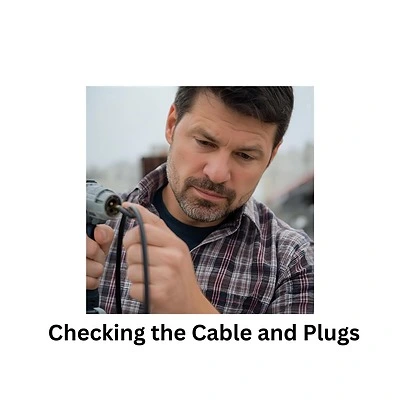
“Do I really need to PAT test my own tools in my garage or shed?” That is a question that many DIY enthusiasts ask themselves, often with a mix of uncertainty and frustration.
At the end of the day, Portable Appliance Testing (PAT) is almost always associated with workplaces, offices, and businesses where electrical equipment is used by multiple people.
When it comes to your own drill, sander, or extension lead at home, the rules can feel confusing. Is it overkill to test them formally, or is it a legal requirement you can’t ignore?
The truth, in a UK context, is more straightforward than it first appears. Formal PAT certification, the kind involving labels, logs, and professional testers is not always mandatory in low‑risk, domestic, or DIY environments.
If you’re tinkering in your shed or garage, you won’t find a law that explicitly demands you book a PAT tester for every tool you own. However, what is mandatory is the legal duty of care under the Electricity at Work Regulations 1989.
These regulations make it clear that all electrical equipment must be maintained in a safe condition. In other words, you don’t necessarily need a certificate, but you do need to ensure your tools are safe to use. Neglecting this responsibility could put you, your family, or anyone who uses your equipment at risk.
That’s where my guide comes in. Over the next sections, you will be able to learn the essentials of keeping your workshop, shed or garage safe without unnecessary complexity.
I will start with the most important step: the “visual inspection. This is a simple check that looks for frayed cables, cracked plugs, scorch marks, or loose connections. Truth is that is often more effective than people realise.
You will also discover when a quick DIY check is enough and when it’s time to call in a professional electrician or PAT tester. Finally, I will cut through the myths and provide the simple truth about UK electrical tool safety. It is less about ticking boxes and more about protecting yourself and others from harm.
By the end of this guide, you’ll feel confident about what’s required, what’s optional, and how to keep your DIY workshop compliant, safe, and ready for your next project.
Understanding Your Legal Duty of Care in the UK
When it comes to electrical safety in the UK, the law doesn’t just apply to big businesses or employers. It applies to anyone who uses electrical equipment. Whether you’re running a workshop, managing a workplace, or simply tinkering in your shed, the principle is the same.
You have a duty of care to ensure that your tools and appliances are safe to use. This responsibility is rooted in UK legislation and forms the backbone of why PAT testing, or more accurately, inspection and testing, is such an important topic.
For professionals, the regulations have a different meaning, and you can read about those in our UK PAT testing guide for trades, professionals and businesses in the UK.
Electricity at Work Regulations 1989
The Electricity at Work Regulations 1989 are the cornerstone of electrical safety law in the UK. These regulations require that all electrical systems and equipment be maintained in a condition that prevents danger.
Importantly, these regulations don’t just apply to employers or large organisations, they extend to anyone who uses electrical equipment. That means even in a DIY setting, you are legally responsible for ensuring your tools are safe.
While the regulations don’t specifically demand formal PAT testing in domestic or low risk environments, they do make clear that neglecting maintenance and safety checks could put you in breach of the law.
What is “In-Service Inspection and Testing”?
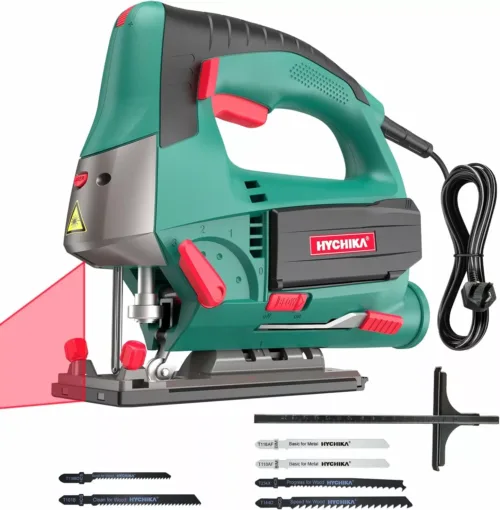
The technical term for what most people casually call “PAT Testing” is In‑Service Inspection and Testing of Electrical Equipment. In my opinion, this phrase better reflects the process.
It is not just about sticking a label on a plug, but about a structured approach to checking that equipment remains safe during its service life.
The process can include a simple visual inspection, more detailed checks, and, where necessary, electrical testing with specialist equipment. Using the correct terminology helps underline that this is a recognised safety practice, not just a bureaucratic box‑ticking exercise.
The Competency Myth

One of the biggest misconceptions about PAT testing is that you need formal training or certification to carry out any kind of inspection. In reality, the most important step, “the Visual Inspection,” requires no specialist qualifications.
Anyone with basic common sense and a careful eye can look for obvious signs of damage. These are simple things such as frayed cables, cracked plugs, scorch marks, or loose connections.
For DIYers, this is the key takeaway. You don’t need to be an electrician to spot unsafe tools. Formal testing may be necessary in higher risk environments, but for most home workshops, regular visual checks are both sufficient and legally responsible.
Your Essential 5 Step Visual Inspection Checklist
When it comes to keeping your DIY workshop safe, the Visual Inspection is the cornerstone of electrical safety. It’s quick, requires no specialist equipment, and often reveals issues before they become dangerous. Use this simple 5‑step checklist every time you pick up a tool.
Analyst Note:It is worth knowing this inspection applies to any tool that has an electrical cord. For example, a cordless drill has no cords so doesn’t need to be checked, but the charger that charges the battery does need to be checked.
List of Steps
Step 1
The Flex (Cable) Check
- Look closely at the electrical cable for cuts, fraying, or exposed wires.
- Check that the outer sheath is intact and grips are secure where the cable enters the plug or tool.
- Any sign of wear means the tool should not be used until repaired.
Step 2
The Plug & Case
- Inspect the plug for cracks, burn marks, or loose pins.
- Confirm the fuse rating is correct for UK standards (usually 3A or 13A depending on the tool).
- Check the tool casing for damage or missing screws that could expose live parts.
Step 3
Ventilation & Operation
- Ensure ventilation slots are clear of dust and debris to prevent overheating.
- Test the on/off switch as it should move smoothly without sticking or sparking.
- Listen for unusual noises when operating the tool.
Step 4
Environmental & Usage
- Consider where and how the tool is used.
- Tools used in damp or outdoor environments need extra care, as moisture increases risk.
- Always use appropriate extension leads and avoid trailing cables across hazardous areas.
Step 5
Class Identification (Crucial Distinction)
- Class I tools: These are tools that require an earth connection. These need more thorough testing if faults are suspected.
- Class II tools: Marked with the double‑square symbol, meaning they are double insulated and simpler to check.
- Knowing the class helps you understand the level of inspection or testing required.
Class I vs. Class II: Why Your Tool’s Type Matters
Not all electrical tools are created equal. Understanding whether your equipment is Class I or Class II is crucial, because it determines the level of inspection and testing required.
This classification affects both how the tool is designed and how you should approach safety checks in your DIY workshop.
Feature | Class I Tool (e.g., Kettle, Toaster) | Class II Tool (e.g., Double‑Insulated Drill |
|---|---|---|
Icon | Requires a functional Earth conductor. | Marked with the ☐ symbol. Double insulated. |
Inspection Focus | Visual inspection plus check of Earth continuity. | Primarily visual inspection. |
Why This Matters
- Class I tools rely on an Earth connection to protect against electric shock. If the Earth conductor fails, the tool could become dangerous, so continuity checks are important.
- Class II tools are designed with double insulation, meaning they don’t require an Earth connection. For DIYers, this makes inspection simpler as visual checks are usually sufficient.
- Knowing the difference helps you decide whether a tool needs professional testing or if your own inspection is enough.
Practical Examples for the DIY Workshop
To make this distinction clearer, here are some everyday tools and appliances you might encounter:
Common Class I Tools (Earth required):
- Bench grinder
- Table saw
- Kettle or toaster (often used in garage setups)
- Extension leads with metal casings
Common Class II Tools (Double insulated):
- Handheld power drill
- Orbital sander
- Angle grinder
- Most modern DIY tools with plastic casings and the ☐ symbol
When to Call a Professional (And When a DIYer Should Test)
Frequency: What the HSE Recommends
The Health and Safety Executive (HSE) stresses that there is no single legal timetable for PAT testing. Instead, the frequency of checks should be based on a risk assessment of the equipment, its environment, and how often it’s used
Low‑risk environments (home workshops, offices):
- Visual inspections may be sufficient.
- Formal testing intervals can be longer. This is often every 1–2 years for items like office IT equipment.
High‑risk environments (construction sites, industrial workshops):
- Tools are exposed to heavy use, dust, and damp conditions.
- Inspections should be more frequent, sometimes every 3 months for portable power tools.
General rule: The more hostile the environment, the shorter the interval between checks.
This flexible approach means DIYers in a home shed don’t need to over test, but professionals on site must prove regular compliance.
Visual Inspection (DIY Responsibility)
A Visual Inspection is the first line of defence and can be carried out by any competent user. It involves:
- Checking cables for fraying or cuts.
- Inspecting plugs for cracks or burn marks.
- Ensuring casings are intact and ventilation slots are clear.
- Confirming the tool is being used in a safe environment.
Most electrical faults are visible, so this step is often more effective than people realise. It requires no specialist equipment simply just attentiveness and common sense.
Combined Inspection & Test (Professional Role)
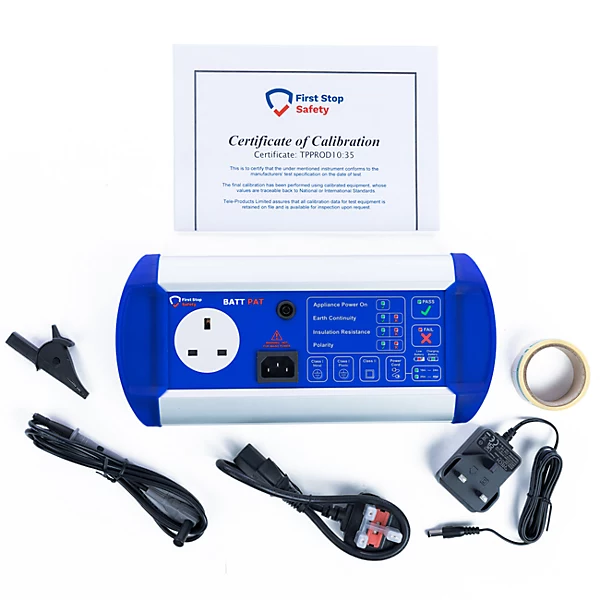
When risk is higher or faults are suspected, a Combined Inspection & Test is required. This involves:
- A qualified person using a PAT testing machine to measure Earth continuity, insulation resistance, and polarity.
- Recording results and labelling equipment to demonstrate compliance.
- Providing evidence for insurers, employers, or HSE inspectors in workplace settings.
For DIYers, this level of testing is rarely necessary unless you suspect a fault or plan to use tools in a commercial environment. For businesses, however, it’s the accepted standard for proving compliance with the Electricity at Work Regulations 1989.
Key takeaway:
- DIYers: Stick to regular visual inspections in low‑risk settings.
- Professionals: Use combined inspection and testing in high‑risk or regulated environments.
- Everyone: The law requires safe equipment not endless certificates.
Summary
Electrical safety in your DIY workshop doesn’t have to be complicated or intimidating. The UK’s legal framework, through the Electricity at Work Regulations 1989, makes one thing clear. You have a duty of care to ensure your tools are safe. That doesn’t mean endless paperwork or expensive testing schedules. It means building a simple habit of regular checks.
The most effective safeguard is the Visual Inspection. By looking for frayed cables, cracked plugs, damaged casings, or blocked ventilation, you can catch the majority of faults before they become dangerous. This quick routine is not only practical but also fulfils your legal responsibility. For most DIYers, these inspections are enough to keep a home workshop compliant and safe.
Professional testing and using a PAT machine is valuable in high‑risk or commercial environments. In a shed or garage, your eyes and common sense are your best tools.
Knowing whether your equipment is Class I or Class II helps you understand the level of inspection required, but the principle remains the same, which is safety starts with you.
Key takeaway:
- Make regular visual checks part of your workshop routine.
- Treat them as your primary defence against electrical hazards.
- Remember that this simple habit is also your UK legal duty.
By embedding these checks into your DIY practice, you’ll protect yourself, your family, and your projects. This will help ensure that every time you switch on a tool, you can do so with confidence.
Quick Safety Checklist (Summary Box)
Pros
- Check cables for cuts, frays, or loose grips
- Inspect plugs for cracks and correct fuse rating
- Look at casings for damage or missing screws
- Clear ventilation slots and test switches smoothly
- Know your tool class: Class I (Earth required) vs. Class II (Double insulated)
- Repeat visual checks regularly: it’s your legal duty under UK regulations