
In this article I explain why PAT labels matter in DIY workshops. In simple terms they are the visible proof of safety and compliance. This article will explain how to read them, what they mean, and why they matter.
Portable Appliance Testing (PAT) is one of those essentials that often gets overlooked. The small sticker left behind after a test is the most visible sign that your tools are safe to use. For DIYers, understanding these labels is vital. They’re not just coloured stickers. They are a quick guide to whether a drill, extension lead, or hedge trimmer is safe, unsafe, or due for retesting.
This article explains how to read PAT test labels, what the colours mean, and how to use them to keep your DIY space safe and compliant.
PAT test labels simply show whether an appliance has passed or failed an inspection. A green label means safe to use, red means unsafe and must be removed, and yellow/orange often signals retest needed. Labels also include the test date, next due date, and tester details for compliance.
Why PAT Labels Exist?
PAT testing forms part of the UK safety regulations. You don’t find these labels on new electrical equipment These labels only will be found after they have gone through their initial test, after a period of time.
PAT testing is designed to reduce the risk of electrical accidents by checking tools and appliances for faults. In the UK, while not every DIYer is legally required to PAT test, landlords, schools, and businesses often are. The label is the visible outcome of that test.
In terms of they typical DIYer, the important of visual inspection and potential PAT testing, it is more about protecting the family, workshop, and compliance.
Why PAT Test Labels Matter?
When you test a tool or appliance, the label is the quick visual proof that it is safe to use. For DIYers, understanding these stickers means you can spot problems at a glance and keep your workshop compliant.
For DIYers, labels matter because:
- They provide instant reassurance that a tool is safe.
- They help track when the next test is due.
- They act as a record of compliance if you share tools or work in community spaces.
Think of the label as the “traffic light” of your workshop. They are simply a quick signal that tells you whether to proceed, pause, or stop.
Common PAT Test Labels Explained
 |  |
|---|---|
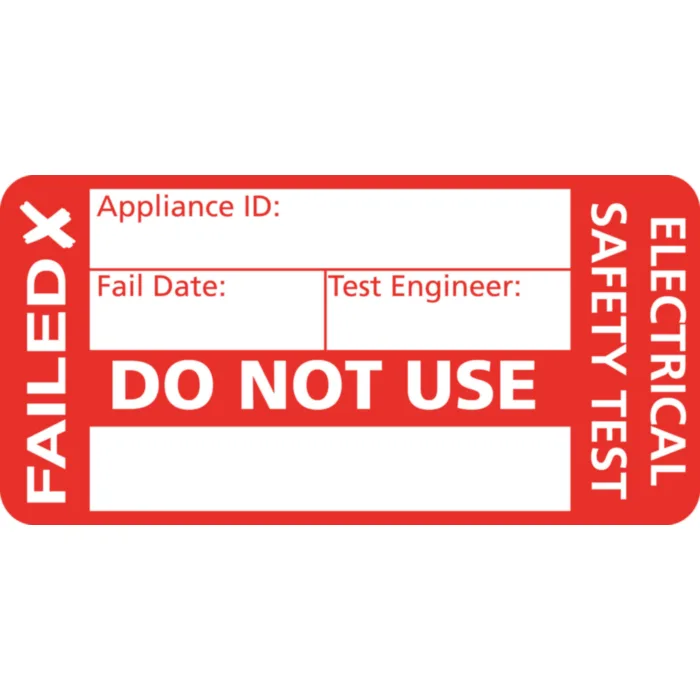
Pass label | Fail label |
Pass Label (Green):
- Shows the item passed inspection.
- Includes date of test, next test due, and tester’s initials.
Case Study 1: A Drill with a Green LabelImagine you are about to use your cordless drill in the workshop. You notice a green PAT label attached near the handle. The sticker shows the test date from last month, the initials of the tester, and the next test due in twelve months. Because the label is green, you know the drill passed inspection and is safe to use. You can confidently continue your project, knowing the tool meets safety standards.
Fail Label (Red):
- Indicates the item is unsafe.
- Should be removed from use immediately until repaired or replaced.
Case Study 2: An Extension Lead with a Red Label
Now picture checking an extension lead before plugging in your sander. This time, the label is red. It clearly states “FAILED” with the date tested and the tester’s initials.
A red label means the extension lead is unsafe, perhaps due to damaged insulation or a faulty plug. The correct action is to remove it from service immediately, tag it as unsafe, and either repair or replace it before further use. Ignoring a red label could put your entire workshop at risk.
Warning/Retest Labels (Yellow/Orange):
- Sometimes used to show limited approval or that retesting is required soon.
Case Study 3: A Hedge Trimmer with a Yellow Retest Label
Picture checking your hedge trimmer before tackling the garden. Instead of green or red, the sticker is yellow. It shows the last test date six months ago and notes “RETEST DUE SOON.”
This means the tool passed at the time but is approaching the end of its safe testing window. The hedge trimmer can still be used, but you should schedule a new test promptly to confirm it remains safe. Treat yellow as a caution sign which means safe for now, but action required soon.
For a full overview of PAT testing in DIY workshops that includes includes how to test extension leads, power tools, and more. See the UK PAT Testing Guide for DIYers. If you work in the trades, are a professional or business then check out our UK Pat testing guide for Trades here.
Key Information on the Label
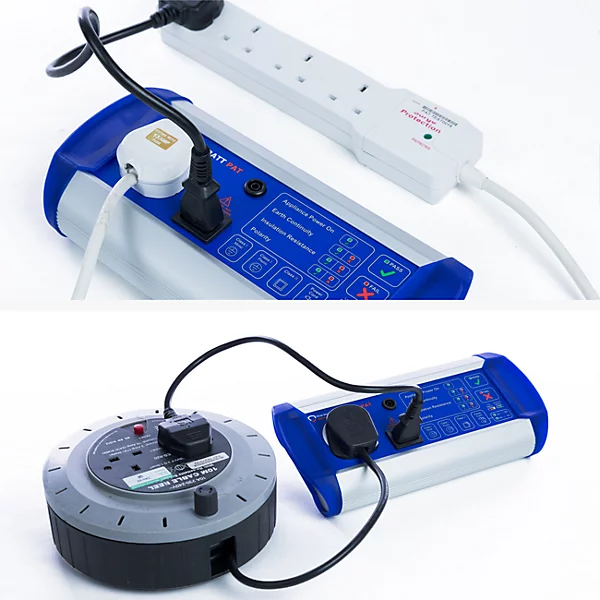
- Date Tested: This is the date when the last inspection was carried out.
- Next Test Due: Helps you plan maintenance schedules.
- Tester Details: Confirms who carried out the test (important for competence).
- Asset/Tool ID: Matches the label to your records or inventory list.
For DIYers, these details are useful for keeping a simple logbook or spreadsheet. That way, you can track which tools were tested, when, and what action is needed next.
Practical Tips for DIYers
- Always check the colour first as green means safe, red means stop.
- Don’t ignore the next test due date; it’s your reminder for ongoing safety.
- If you see a fail label, tag the tool out of service immediately.
- Keep a simple logbook or spreadsheet to match labels with your tools.
By making label checks part of your routine, you reduce risks and keep your workshop compliant.
Summary
PAT test labels may be small, but they carry big importance. They’re your workshop’s traffic lights: green for go, red for stop, yellow for caution. By learning to read them properly, DIYers can keep tools safe, avoid accidents, and stay compliant.
For a full overview of PAT testing, including how to test extension leads, power tools, and more, see the UK PAT Testing Guide for DIYers.
Frequently Asked Questions About PAT Test Labels
Q1: What does a green PAT test label mean?
A green label shows the appliance passed inspection and is safe to use until the next test date.
Q2: What does a red PAT test label mean?
A red label means the item failed testing. It should be removed from service immediately and repaired or replaced.
Q3: Do PAT test labels show when the next test is due?
Yes. Most labels include both the date tested and the recommended next test date to help you plan maintenance.
Q4: Who can sign a PAT test label?
Labels are signed or initialled by the person who carried out the test. In the UK, this must be a “competent person” with the right training and equipment, not necessarily a qualified electrician.
Q5: Can I buy PAT test labels myself?
Yes. Labels are widely available, but they should only be applied after a proper test has been carried out.