

For some users in the UK deciding between a mitre saw and a circular saw can be a bit of a dilemma. Ideally, owning both of these would be great, but these tools are not cheap, and in reality many people will never need to own both. Both tools promise precision and power which is true. However, one boasts laser-guided accuracy and pre-set angles, while the other is more versatile and has wider uses.
Head to Head Comparison
Just below you will see a head to head comparison of these two saws.
Mitre Saw
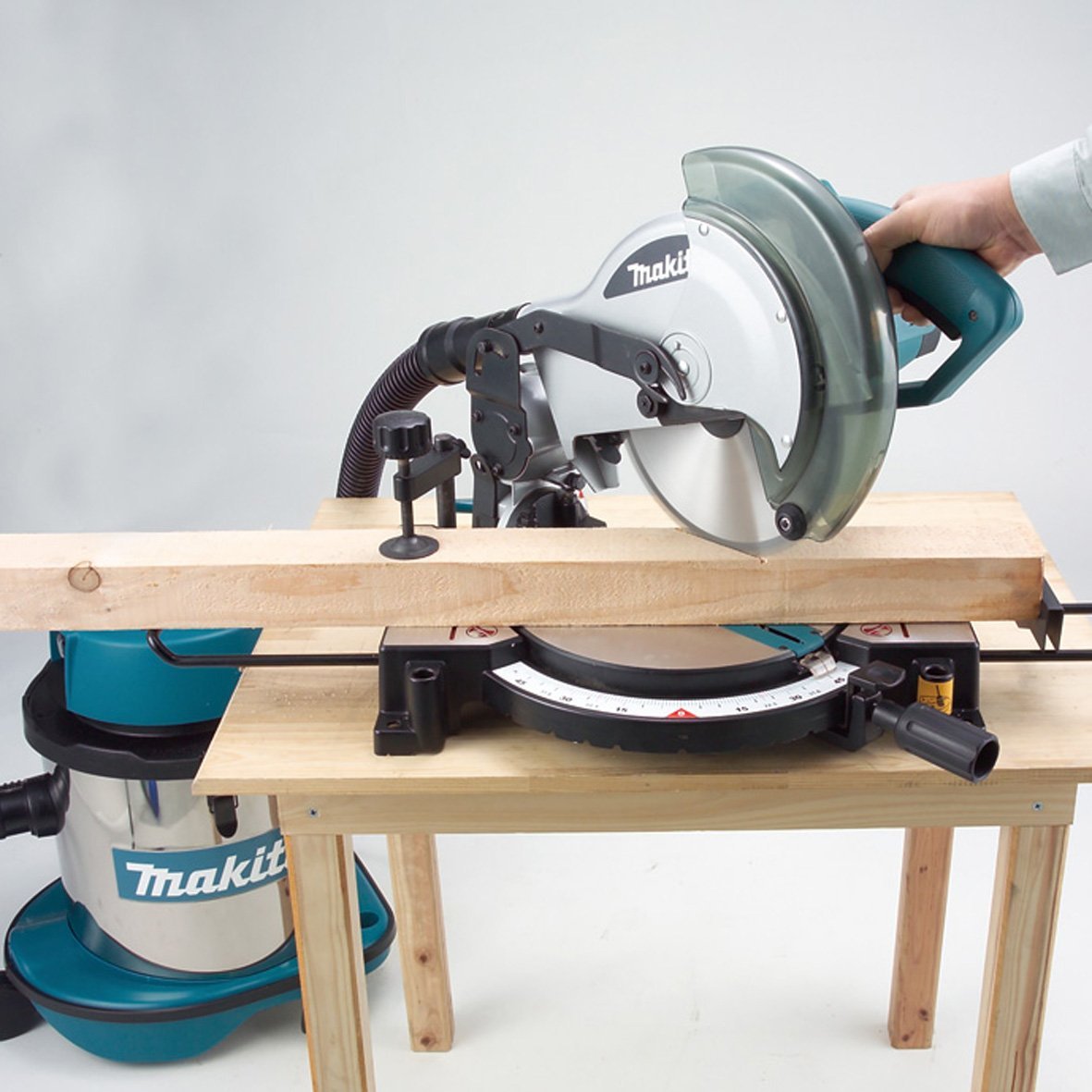
Cutting capability – Excels at precise angle cuts (mitre and bevel) and straight cuts.
- Accuracy & Control – Has pre-set angles and fences for guaranteed accuracy, good for beginners.
- Portability and Maneuverability – Stationed tool best suited for workshop use due to its weight and size.
- Power and Performance – Generally more powerful saws, capable of handling thicker materials.
- Safety Considerations – Stationary nature offers inherent safety advantages, but blade guards are still crucial.
- Price & Value – Typically more expensive than circular saws, but offers dedicated functionality and accuracy.
Check out my Mitre Saw Buying Guide
Circular Saw

Cutting Capability – Versatile for freehand cuts of various angles and for sheet materials.
- Accuracy & Control – Requires more skill and practice for precise cuts, but can make angled cuts with jigs.
- Portability and Maneuverability – Compact and portable, ideal for onsite work and smaller projects.
- Power and Performance – Power varies depending on the model, but can handle most common construction and DIY materials.
- Safety Considerations – Requires more caution due to the exposed blade, proper hand positioning and safety gear are essential.
- Price & Value – Diverse range of price points, offering budget-friendly options for occasional use.
Check out my Circular Saw Buying Guide
Comparison Summary
- The Mitre Saw – This is a very precises saw and works best when fixed to a bench, table or on a stand. Its main feature is that it excels at cutting straight, mitre and bevel angles. The saw has pre-set guides and laser focus guarantee accuracy, making it ideal for beginners and intricate cuts. If you have a sliding mitre saw, then you can also do long, straight cuts and thicker cuts. It is best used in a shed, workshop or garage and is not as nimble for on-site use.
- The Circular Saw – This is a more versatile option and perfect for cutting sheet materials (with or without tracks) and can cut angled cuts using jigs. It is more compact and can be used outside for projects like deck building and fencing. Its price range offers options for even the most budget-conscious users. However, accuracy demands practice, and safety must be your watchword when wielding this saw.
Actual Practical Uses
Mitre Saw Uses
Project | Description |
|---|---|
Picture frames | Delivers crisp 45-degree bevel cuts for any type of framing, all thanks to the mitre saw’s pre-set angles. |
Skirting boards and coving | Straight and mitre precise cuts made easy by the mitre saw’s fence and powerful blade. |
Garden projects | From trellis beams to decking borders, the mitre saw’s accuracy ensures your outdoor projects look great with neat and accurate cuts. |
Circular Saw Uses
Project | Description |
|---|---|
Kitchen countertops | Need to shorten that Ikea countertop to fit your quirky UK flat or house The circular saw’s freehand agility tackles those awkward cuts with ease. |
Flooring | Whether refreshing floorboards in your cottage or laying down laminate in your London loft, the circular saw’s portability and versatility handle it all. |
Bookshelves | Craft bespoke bookcases for your library nook with precise angled cuts from your circular saw and a handy jig. |
Help with choosing the right option
- Skill Level – Beginner? The mitre saw’s guided cuts and easy setup is worth considering.Experienced users or more versatility – The circular saw’s freehand flexibility and portability allow you to do more project types.
- Project Type – Precise angles and long cuts? The mitre saw offers unwavering accuracy.Quick cuts, sheet materials, and more portability? The circular saw is your agile companion.
- Budget – Limited funds? The circular saw offers budget-friendly options.Investing in precision? The mitre saw’s accuracy comes with a higher price tag.
Feature | Mitre Saw | Circular Saw |
|---|---|---|
Strengths | Precision angle cuts, long straight cuts, powerful for thick materials, beginner-friendly setup | Versatile for freehand cuts, portable for on-site work, affordable options, good for sheet materials |
Weaknesses | Bulky and stationary, limited to pre-set angles, less adaptable for complex cuts | Requires practice for accurate cuts, safety demands more attention, not ideal for long straight cuts unless you buy tracking. |
Best for | Picture frames, skirting board cuts, decking, precise angles | Kitchen counters, flooring, shelves, on-site projects, freehand cuts |
Skill Level | Beginner friendly | Needs some practise |
Price | Generally more expensive | Wide range of prices |
Portability | Limited | Highly portable |
Accuracy | Very high | Requires practice, tracks and jigs |
Power | Powerful | Varies depending on the model |
Safety | Relatively safe due to stationary nature | Requires a lot more caution with exposed blade |
Other Factors to Consider
Blade Types
Both types of saw come in different sizes, which are measured by the diagonal size of the blade.

Mitre Saw Blades

Circular Saw Blades
- Mitre Saw blades – Choose blades depending on material (fine teeth for wood, thicker for metal). Consider a combination blade for versatility.
- Circular Saw blades – Choose blades for specific materials (wood, metal, masonry). Consider specialized blades for cleaner cuts or specific functions (rip vs. cross cuts).
Saw Accessories
- Mitre Saw – Clamps for securing workpieces, extension tables for larger projects, laser line guides for increased accuracy and mitre saw stands for fixing the saw..
- Circular Saw – Edge guides for straighter cuts, circle cutting jigs for perfect circles, and dust extraction attachment for a cleaner workshop.
Personal Preferences
- Comfort – Consider which tool feels more natural and comfortable for you to use.
- Brand and Warranty – Research different brands and their warranty offerings for peace of mind.
- Future Projects – Anticipate future projects and choose a tool that can handle your long-term needs
My Final Thoughts
When you start doing DIY most people will simply use a standard hand saw. It’s so much cheaper and can be used to make a variety of cuts.
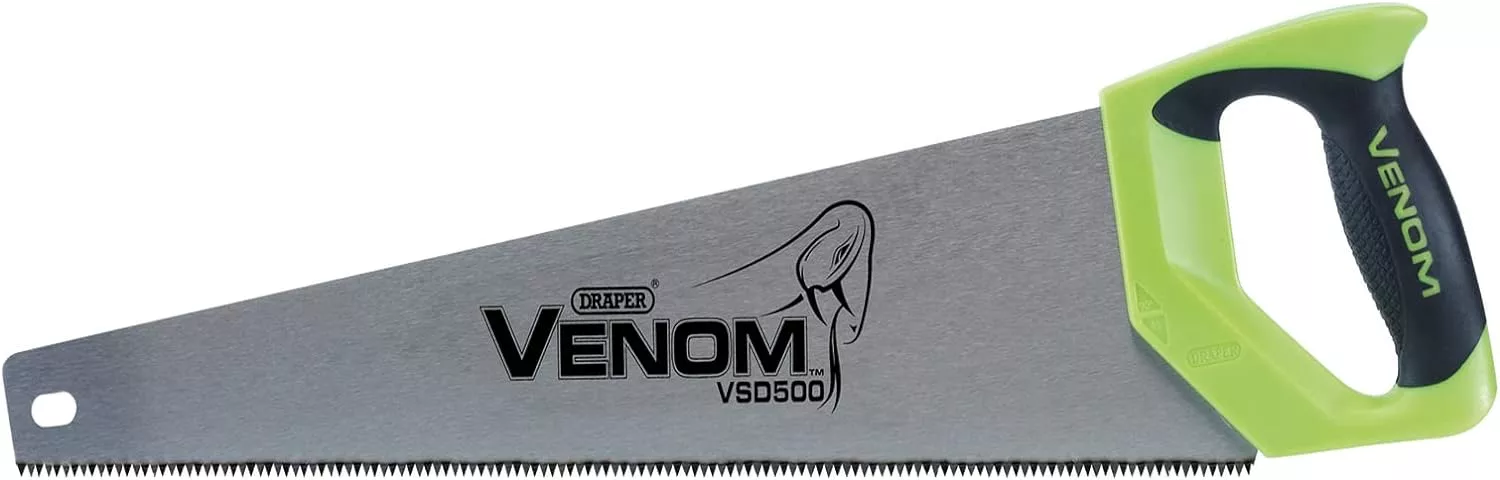
The drawbacks are that it is manual and relies on you using it with accuracy. It is also a slow cutting process and sore on the arms. If you have to a lot of repetitive cuts, angled cuts or work on bigger projects, that is when I find people start to look at the more powerful saws.
In my opinion, the circular saw is the most versatile for general cutting and for cutting sheets of wood, such as MDF or plywood. It is however harder to control and not as safe to use. The mitre saw comes into its own for angled cuts, used in framing or skirting. It is limited by the depth and width of cut and the overall size of the saw.
Hopefully this article has helped you understand the main differences between a mitre saw and a circular saw.
If you have any questions, or comments, please leave those below, as they may help other readers decide which is best for them.