
Choosing between a Milwaukee and a DeWalt impact driver is a classic dilemma for UK professionals. Both brands represent the very best of cordless tool technology.
That said, subtle differences in design and engineering determine which is best suited for heavy duty torque or all day comfort.
Raw Power: Maximum Torque and Sustained Performance
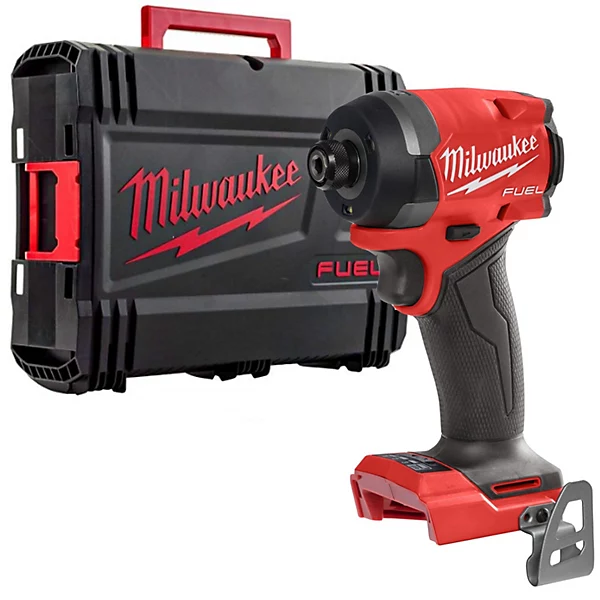 Milwaukee M18FID3 FUEL Gen 4 Brushless Impact Driver | 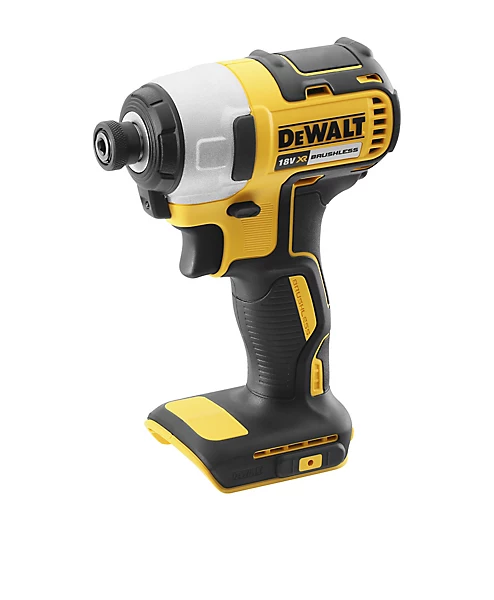 DeWalt 18V XR Brushless Cordless Impact driver |
|---|
When it comes to sheer, brute force, Milwaukee often takes the lead, especially with their M18 Fuel series (like the M18 Fuel 2953).
- Maximum Torque Ratings: Latest-generation Milwaukee Fuel impact drivers often boast maximum torque ratings up to 2,000 in-lbs (approx. 226 Nm), designed for ripping through tough, rusted fasteners. While DeWalt’s flagship models, such as the DCF860, can have high peak torque (sometimes advertised higher than Milwaukee at 2,500 in-lbs / 282 Nm), the key difference lies in sustained power.
- Sustained Power Under Load: Multiple professional tests indicate that Milwaukee demonstrates less power drop-off during continuous, high-demand operation. This consistent power delivery makes Milwaukee a preference for automotive work and structural tasks involving lag bolts and large fasteners where maximum torque must be maintained. DeWalt excels in delivering a quick, high-torque punch for breaking loose tight fasteners, making it highly effective for general construction where the fastener is driven to the end quickly
Brushless Motor Technology and Control
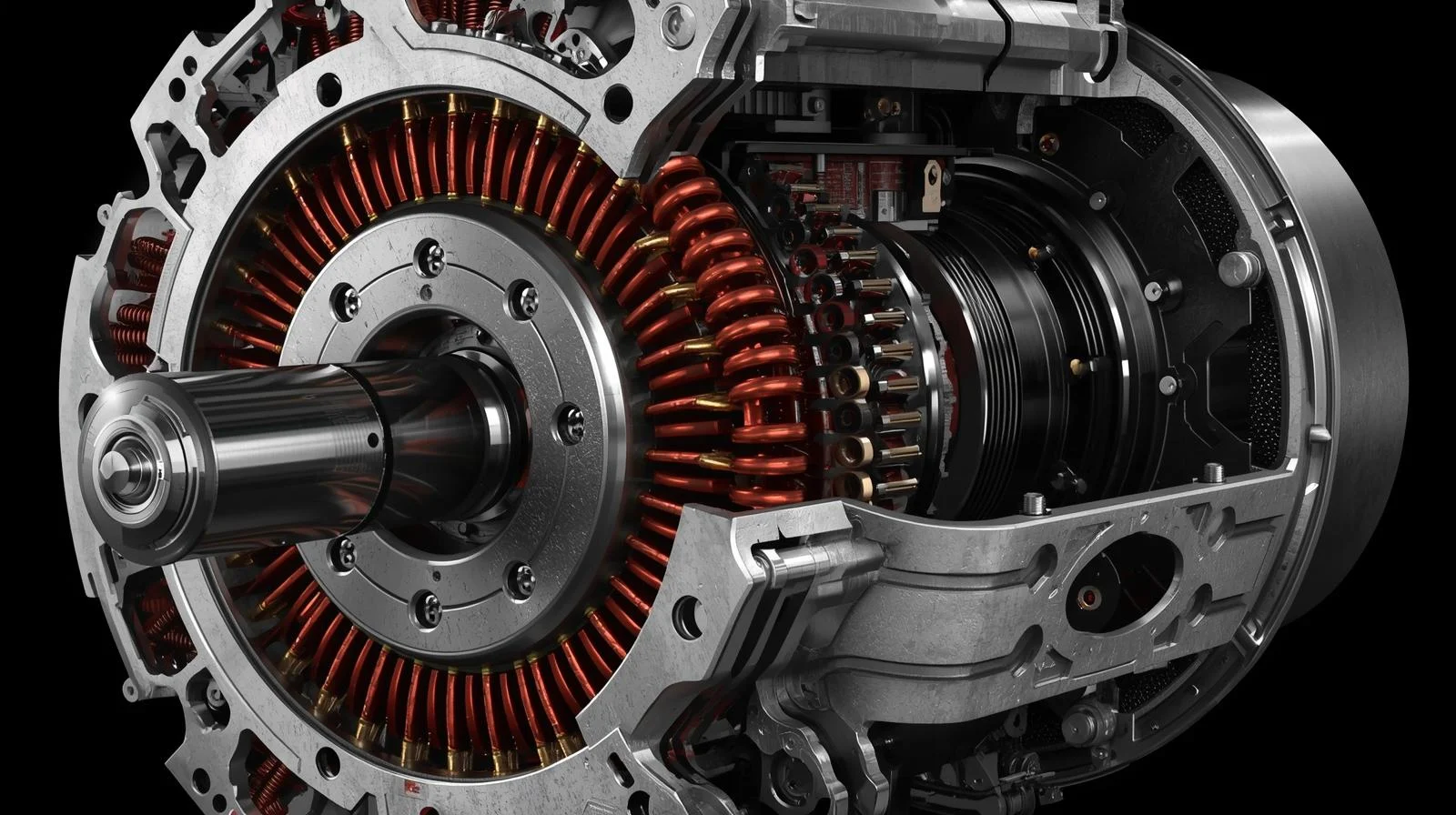
Both manufacturers use advanced brushless motor technology, which eliminates carbon brushes for increased efficiency, longer motor life, and better power to weight ratios compared to their older brushed models.
Feature | Milwaukee M18 Fuel (e.g., 2953) | DeWalt XR/Atomic (e.g., DCF787N) |
|---|---|---|
Drive Control | Often features four modes, including a self-tapping screw mode for precision. | Typically offers three speed options plus a ‘Precision Drive’ mode for control. |
Motor Focus | Engineered for high-output power and sustained torque delivery. | Focused on balancing power with speed and user-friendly control/ergonomics. |
Milwaukee’s advanced electronic controls (REDLINK Plus™ Intelligence) often offer more specialised modes for specific applications, giving the user fine-tuned control over the high power it generates.
Durability and Job Site Abuse Testing
When assessing build quality and the ability to withstand job site abuse, both are professional-grade, but they have different philosophies:
- Milwaukee: Tends to favour a heavier, more robust build with beefier housing and steel gear cases, making them exceptionally rugged. In drop tests, the Milwaukee drivers often shrug off impacts, earning them a reputation as the “heavyweight” champion for those who frequently toss or drop their tools.
- DeWalt: Focuses on a lighter, more compact design (especially the Atomic line) without sacrificing too much durability. They are built tough, but their emphasis on user comfort and lighter weight means they might feel slightly less indestructible than their Milwaukee counterparts. DeWalt’s build is durable for daily, professional use, but Milwaukee is often cited as the slightly tougher option for the absolute worst working conditions.
Conclusion for UK Professionals
The “better” impact driver depends entirely on the job and the user’s preference:
- Choose Milwaukee if: Your work involves frequent, heavy-duty applications (like structural steel, large deck building, or automotive work) where maximum sustained torque and outright durability are paramount.
- Choose DeWalt if: You require a better balance of power, lighter weight, and superior ergonomics for all-day comfort, repetitive tasks, and working in tight spaces.