
Plastering is often seen as one of the biggest hurdles for a DIYer. It is worth knowing that with the right preparation and technique, you can actually achieve professional results.
Most people will know that a smooth, flat wall is the best surface for your renovation, and getting it right adds massive value.
This guide focuses on skimming over existing plasterboard, the most common beginner task.
Phase 1: Preparation and Essential Tools
The most common mistake people make is not having the proper tools. After all, you can’t skim a wall with a kitchen spatula. Having the proper plastering tools is essential for speed and managing the drying time of the material.
1.1 The Tool Kit Essentials
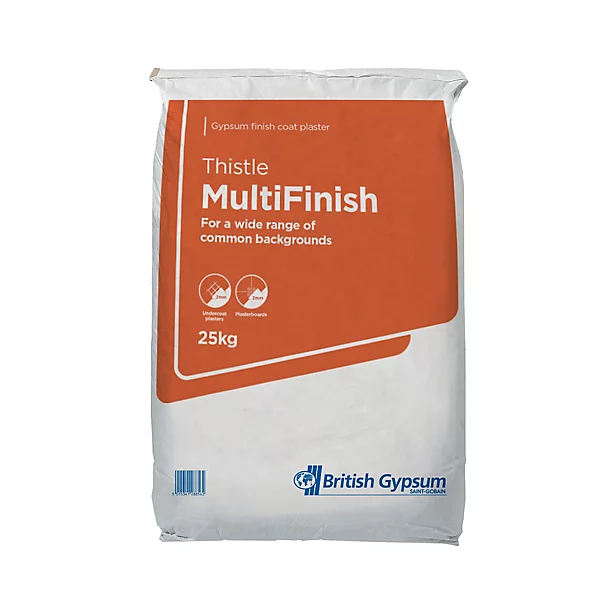 Bag of plaster | 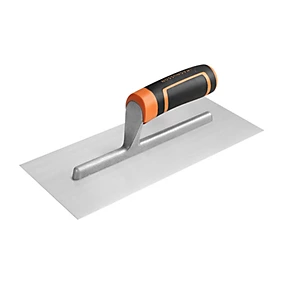 Plasterer’s Trowel | 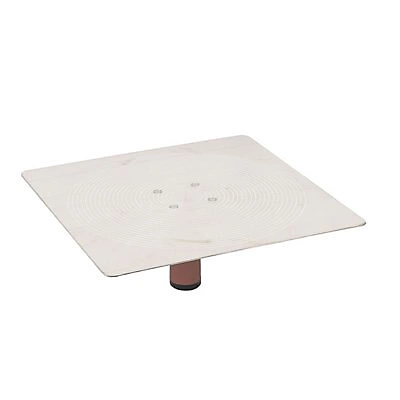 Hawk |
|---|
- Plasterer’s Trowel: The main tool for application and finishing. A lightweight, flexible stainless steel trowel (around 14″) is ideal for beginners. A flexible blade helps ‘burnish’ the surface to a high sheen
- Hawk: A flat plate with a handle used to hold a manageable amount of plaster while working. Crucial for speed and cleanliness.
- Bucket Trowel: Used for scooping plaster out of the bucket and onto the hawk. (Any type of trowel works)
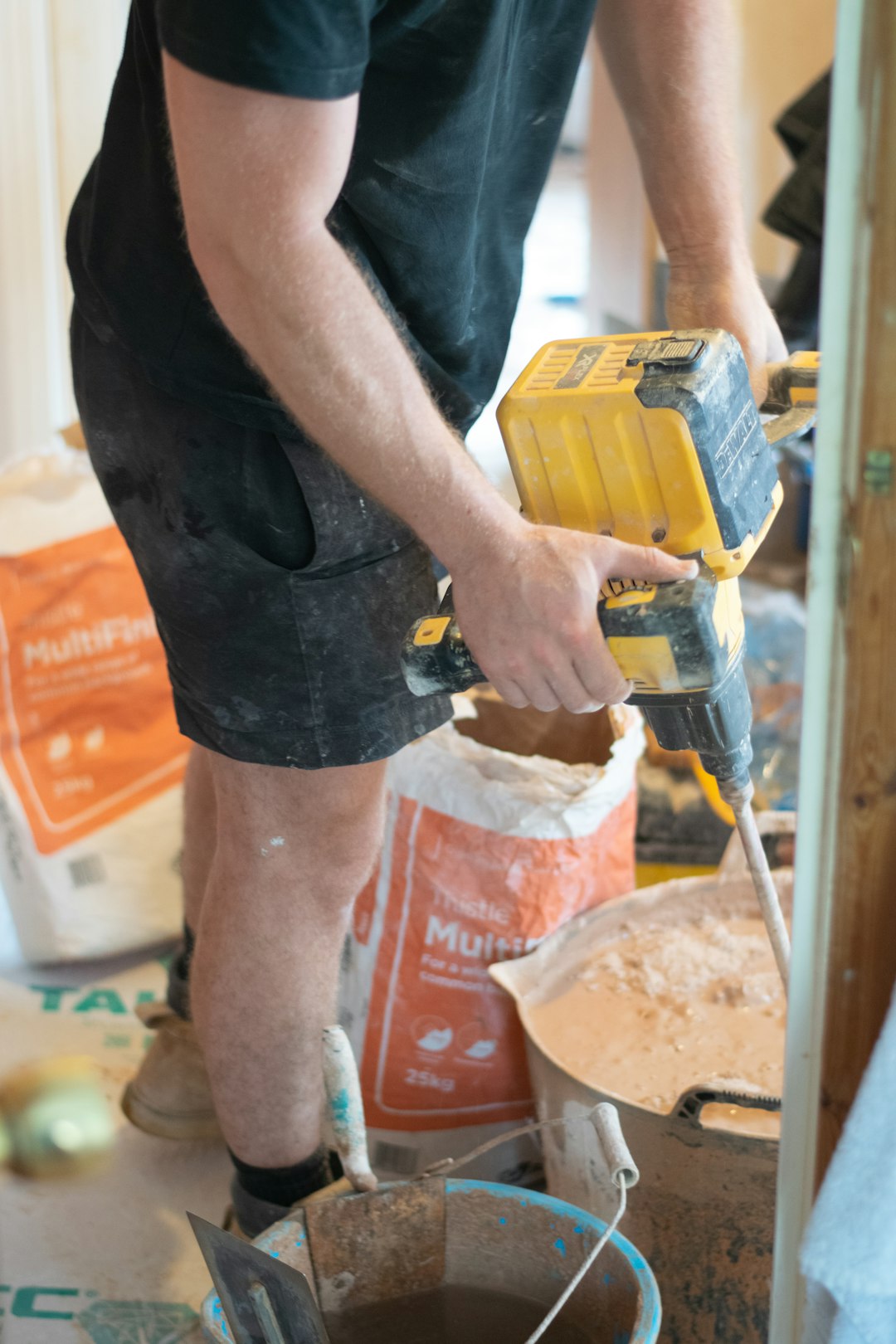
- Mixing Paddle and Drill: A strong, low RPM drill and a paddle attachment are essential for mixing the plaster consistently. Avoid high speeds, which can whip air into the mix. You can also mix by hand, but a paddle does a much better job.
- Water Bucket: For mixing and keeping your tools clean.
- Coarse-Haired Brush: Used for ‘dampening’ the wall before application to control suction.
- Snagging Trowel (Small): For tight corners and edges.
1.2 Wall Preparation (Suction Control)
If you are skimming onto new plasterboard, tape all joints with jointing tape (either mesh or paper) and secure any exposed screw heads. This is important prep work that makes for a much better finish.
If skimming over old plaster, the surface must be sound, clean, and dust-free. The plaster will only stick if the wall is properly prepared and the suction is controlled. Use a product like PVA (Polyvinyl Acetate) bonding agent.
- Mix the PVA according to the manufacturer’s instructions (usually 1 part PVA to 4 parts water).
- Apply liberally with a roller or brush and allow it to become tacky, so not completely dry, but sticky to the touch (usually 20-30 minutes). If it dries completely, it won’t bond, so you must reapply. This ‘tacky’ state is perfect for creating the essential mechanical key
Phase 2: Mixing the Plaster
The consistency is everything. Use multi-finish plaster for skimming. The quality of your mix dictates how easily you can apply and finish the material.
- Water First: Pour a manageable amount of clean, cold water into your mixing bucket.
- Add Plaster: Slowly pour the dry powder into the water. Never add water to the powder, as it creates dry lumps at the bottom.
- Mix: Start mixing slowly with your paddle drill. Move the paddle up and down to catch all the material.
- Consistency: Aim for the consistency of thick custard or peanut butter. It should be thick enough to sit on the hawk without running off but smooth enough to spread easily.
- Rest and Check: Let the plaster rest for 5 minutes (known as “souring”). This allows the chemicals to react fully. Mix one last time before using. Crucially, multi-finish plaster has a working time of approximately 60-90 minutes once mixed. Only mix what you can comfortably use in that time.
Phase 3: Application and Finishing Technique
You will always have to apply two coats. The first coat is for coverage; the second coat is for a perfect finish. Precision here saves hours of sanding later.
3.1 The First Coat (Coverage)
- Load the Hawk: Scoop plaster from the bucket onto your hawk.
- Apply to Trowel: Swipe the edge of your trowel across the hawk to load the plaster onto the leading edge.
- Spread: Starting from the bottom corner, hold the trowel at about a 30-degree angle to the wall. Spread the plaster upwards and outwards in smooth, overlapping arcs. Aim for a thickness of about 2mm.
- Cover: Ensure the entire wall is covered. The first coat will look rough and have trowel lines—that’s normal! Wait until the first coat is firm (it should not move when you press lightly).
3.2 The Second Coat (Finishing)
The second coat is applied thinly (about 1mm) to eliminate imperfections and achieve a mirror-like finish.
- Dampen: Lightly mist the first coat with a coarse-haired brush dipped in clean water. This reactivates the plaster’s bonding ability and lubricates the trowel.
- Apply: Apply the second coat exactly like the first, but much thinner and with more emphasis on pressing the trowel flat against the wall.
Timing is Key (The Troweling Stages): Once the second coat is applied, you begin the four critical trowel passes, known as “Darbying.” Each pass is done when the plaster has stiffened slightly:
- First Trowel: 15-20 minutes after the second coat. Run the trowel over the surface at a 45-degree angle to flatten out the ridges and fill in small holes. Focus on flatness.
- Second Trowel: 10-15 minutes later. Use a wetted trowel (edges only) and run it flat against the wall, reducing the angle to 15 degrees.
- Third Trowel (Burnish): When the plaster is hard but not dry. Hold the trowel almost flat (less than 5 degrees) and press firmly. You are now ‘burnishing’ the surface to create the smooth shine. This pass removes pinholes and shadows.
- Fourth Trowel (Final Polish): A few minutes later, repeat the burnish for a final, mirror-like finish, ensuring no trowel marks are left.
Phase 4: Drying and Curing
Do not rush the drying. Plaster must dry slowly and naturally.
- Time: Full drying takes 3 to 7 days, depending on humidity and temperature. It will change from a dark brown/grey colour to a uniform pale pink/cream.
- Temperature: Keep the room temperature moderate. Do not use extreme heat (like industrial heaters) as this can dry the surface too quickly, causing it to crack, delaminate, or “chalk.”
- Painting: Only apply a mist coat (highly diluted white emulsion, typically 70% paint/30% water) once the plaster is completely dry and uniform in colour. This allows the new plaster to ‘breathe’ and prevents the top coat from peeling.
Summary
Plastering might seem daunting, but mastering the mix and the four trowel passes is what separates the DIYer from the pro. With patience and the right tools, you’ve just created the perfect foundation for painting or decorating.
The reality is this does take practise and patience. A professional plasterer in the UK charges on average £25 an hour. An average room takes around 2 days to plaster. That can get expensive, so taking the time to learn how to do this will save you a lot of money.
However, we know it will test your patience at the start.
For a smooth finish, the drying time is critical. Keep the room ventilated and steady. Once you’re ready for the next project, be sure to check back to the main DIY Home Renovation Essentials guide to explore other core skills like tiling and hazard detection.