
Cutting metal with an angle grinder is one of the most useful DIY skills you can learn. Whether you’re trimming bolts, cutting steel pipe, shaping sheet metal, or removing rusted fixings, an angle grinder makes the job fast and accurate. I’ve been using these tools for over 50 years in my workshop here in Northern Ireland, and in this guide I’ll show you the safest, simplest way to cut metal — even if you’re a complete beginner.
Before you start, I strongly recommend reading my Angle Grinder Safety UK guide. Cutting metal produces sparks, heat, and sharp edges, so safety is absolutely essential.
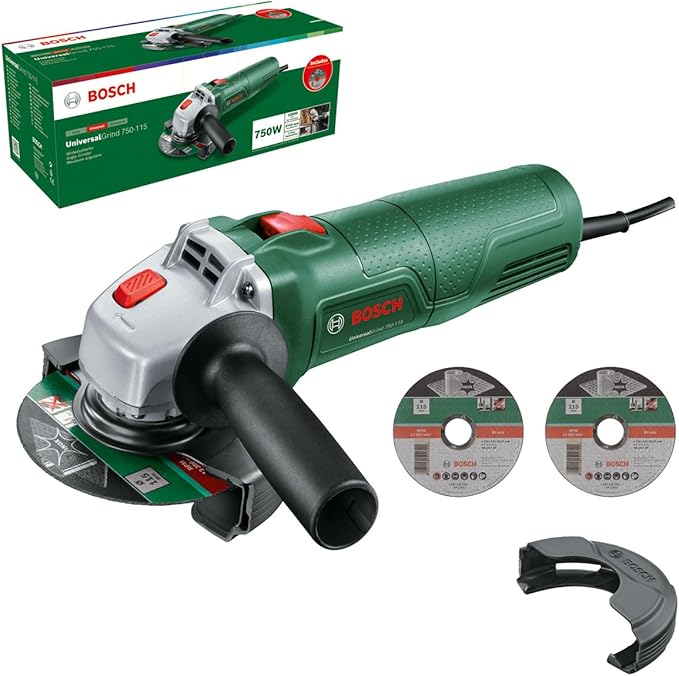
What You’ll Need
- Angle grinder (115mm/4.5″ is ideal for most DIY jobs)
- Thin metal‑cutting disc (1–1.2mm)
- Safety glasses or face shield
- Gloves
- Ear protection
- Clamp or vice
- Marker or scribe
- Steel ruler or square
If you’re unsure which grinder size you have, my Angle Grinder Sizes UK guide explains the differences.
Safety First
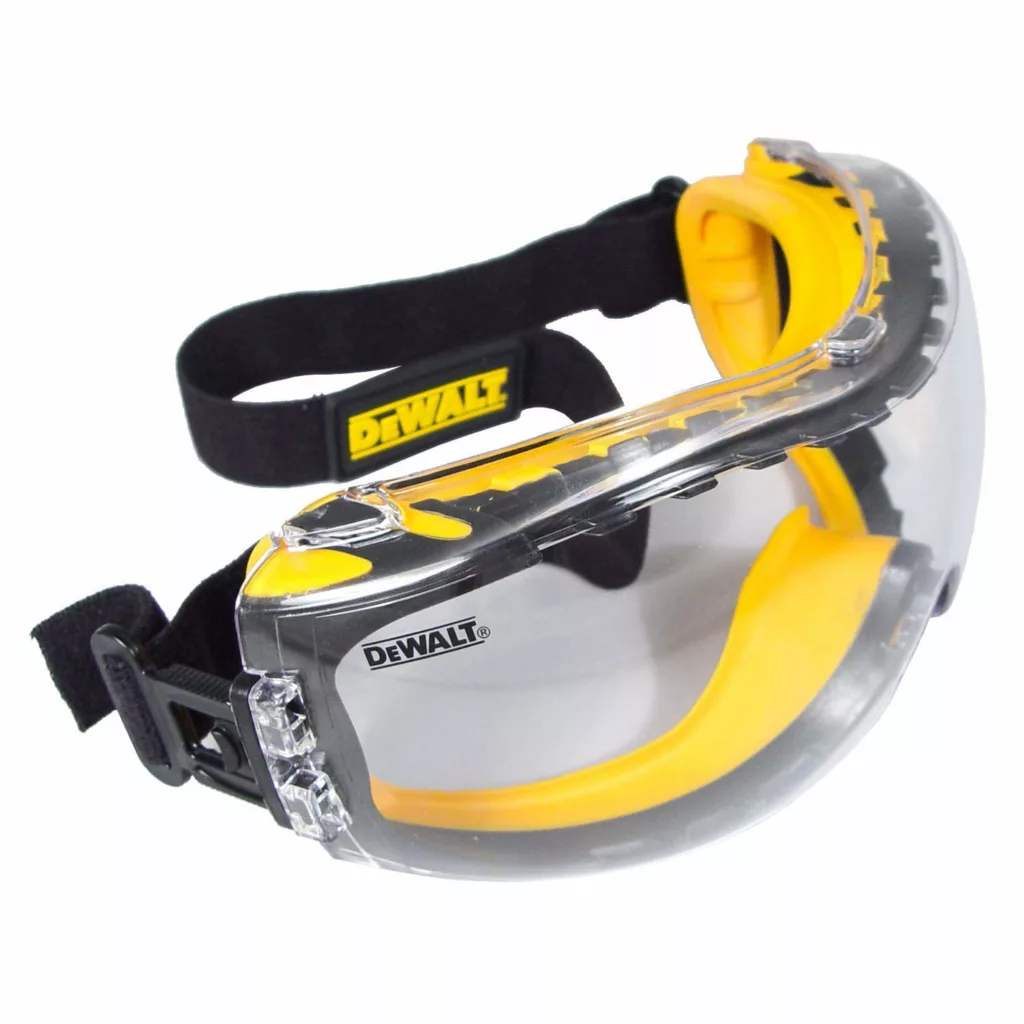
Angle grinders are powerful tools, and cutting metal produces sparks, heat, and sharp edges. Always wear PPE, clamp your work securely, and stand slightly to the side of the disc. For a full breakdown of safe operation, see my Angle Grinder Safety UK guide.
Step‑by‑Step: How to Cut Metal with an Angle Grinder
Step 1: Choose the Right Cutting Disc
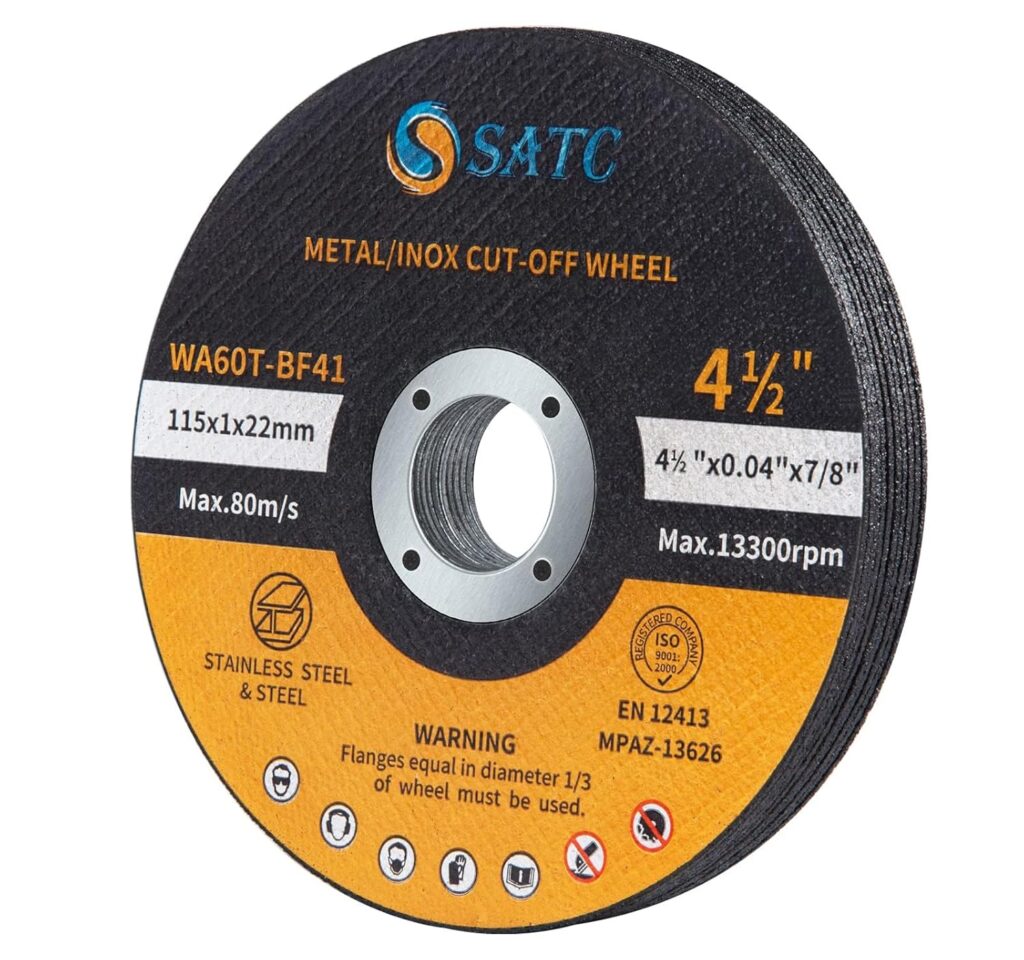
Use a thin metal‑cutting disc (1–1.2mm). Thinner discs cut faster, cleaner, and with less heat.
Avoid grinding discs — they are too thick and unsafe for cutting.
Step 2: Mark Your Cut Line
Use a marker, scribe, or masking tape to mark a clear line.
A straight, visible line makes the cut safer and more accurate.
Step 3: Secure the Metal Properly
Clamp the metal in a vice or use G‑clamps on a workbench.
Never hold the metal with your hand — it will move, vibrate, and heat up quickly.
Step 4: Position Yourself Safely
Stand slightly to the side of the disc, not directly behind it.
If the disc shatters (rare but possible), you’re out of the line of fire.
Keep your arms steady and your grip firm.
Step 5: Start the Grinder and Let It Reach Full Speed
Don’t touch the metal until the disc is spinning at full speed.
This prevents snatching and gives you a cleaner cut.
Step 6: Begin the Cut Gently
Touch the disc to the metal lightly — don’t force it.
Let the disc do the work.
Use smooth, controlled movements.
Step 7: Follow the Line Slowly
Move along your marked line at a steady pace.
If the metal starts glowing red, pause for a moment to let it cool.
For thicker metal, make several shallow passes rather than one deep cut.
Step 8: Finish the Cut and Smooth the Edges
Once the cut is complete:
- Switch to a flap disc or grinding disc
- Smooth sharp edges
- Remove burrs
This makes the piece safer to handle.
Common Mistakes to Avoid
- Forcing the grinder (causes disc binding)
- Using the wrong disc
- Not clamping the metal
- Cutting too quickly
- Standing directly behind the disc
- Wearing no PPE
These mistakes are responsible for most angle‑grinder accidents.
Recommended Tools for This Job
If you’re buying your first grinder or upgrading, these guides will help:
FAQs
Can I cut stainless steel with an angle grinder?
Yes — use a thin stainless‑steel cutting disc and take your time.
Can I cut bolts or screws?
Absolutely. Clamp them securely and cut slowly to avoid overheating.
Why does my disc wear down so quickly?
You may be using too much pressure or the wrong type of disc.
Is a cordless grinder powerful enough?
Modern cordless grinders are excellent. If you’re unsure which brand to choose, see my Angle Grinder Brands UK guide.
My Final Thoughts
Cutting metal with an angle grinder is straightforward once you understand the basics. With the right disc, proper safety gear, and a steady hand, you’ll get clean, accurate cuts every time. Take your time, let the tool do the work, and always prioritise safety.