

The cordless drill allows you to tackle a wide range of tasks, from assembling furniture to hanging shelves, without the constraints of an electrical power cord.
With countless models, features, and brands available, choosing the perfect cordless drill can be difficult. Our comprehensive buying guide is crafted specifically for UK tool users, cutting through the noise to provide you with unbiased insights, expert analysis, and clear recommendations.
Get ready to discover the ideal cordless drill that will help you with your projects, big or small, and ensure every task is tackled with precision and ease.
What is a Cordless Drill and Why Do You Need One?
Imagine tackling a DIY project without having to connect your drill to a power outlet. That’s the key freedom and efficiency a cordless drill brings to your toolkit.
For any UK homeowner, aspiring DIYer, this versatile power tool has become an absolute must have.
Defining the Cordless Drill
At its most basic, a cordless drill is a portable, battery-powered device designed primarily for two key functions:
- Drilling holes.
- Driving fasteners such as screws.
Unlike the corded drill, it operates entirely on rechargeable batteries, offering freedom of movement. They can drill pilot holes and secure screws into a wide array of materials, including wood, metal, plastic, and even concrete or brick when equipped with a hammer function.
Key Advantages: Why a Cordless Drill is Indispensable
These are popular for very good reasons in British homes due mainly to their practical benefits. Here’s why this power tool is a must-have:
- Portable & Convenient: The most obvious advantage is freedom from electrical leads. This allows you to work anywhere – from assembling flat-pack furniture in the living room to securing decking in the garden.
- Highly Versatile: They can handle a surprising range of tasks. It can drills holes for hanging pictures, assembling furniture, or installing shelving. By simply swapping a drill bit for a screwdriver bit, it can make light work of driving and removing screws. Many models also offer a “hammer” function, allowing you to drill into masonry with ease.
- Much Safer: Without trailing power cords, the risk of trips, falls, or accidental cuts is greatly reduced, making you safer.
- Ease of Use & Control: Modern cordless drills are designed with user-friendliness in mind. Features like adjustable clutch settings provide torque control, preventing over-driving screws and protecting both the material and the tool. Variable speed triggers offer precise control, crucial for delicate tasks or when starting a hole.
A cordless drill allows you to tackle a wide range of projects with greater flexibility, efficiency, and safety, making it an indispensable investment for any UK tool user.
Understanding Cordless Drill Types: Which One Suits Your Needs?
Initially when buying a cordless drill, don’t think about brands at this stage. It’s more important to understand the different types available and matching them to the tasks you’ll be tackling around your UK home or on the job site.
Each variant offers distinct capabilities, making some better suited for specific applications than others. Let’s have a look at those
1. Drill Drivers: The Everyday Workhorse
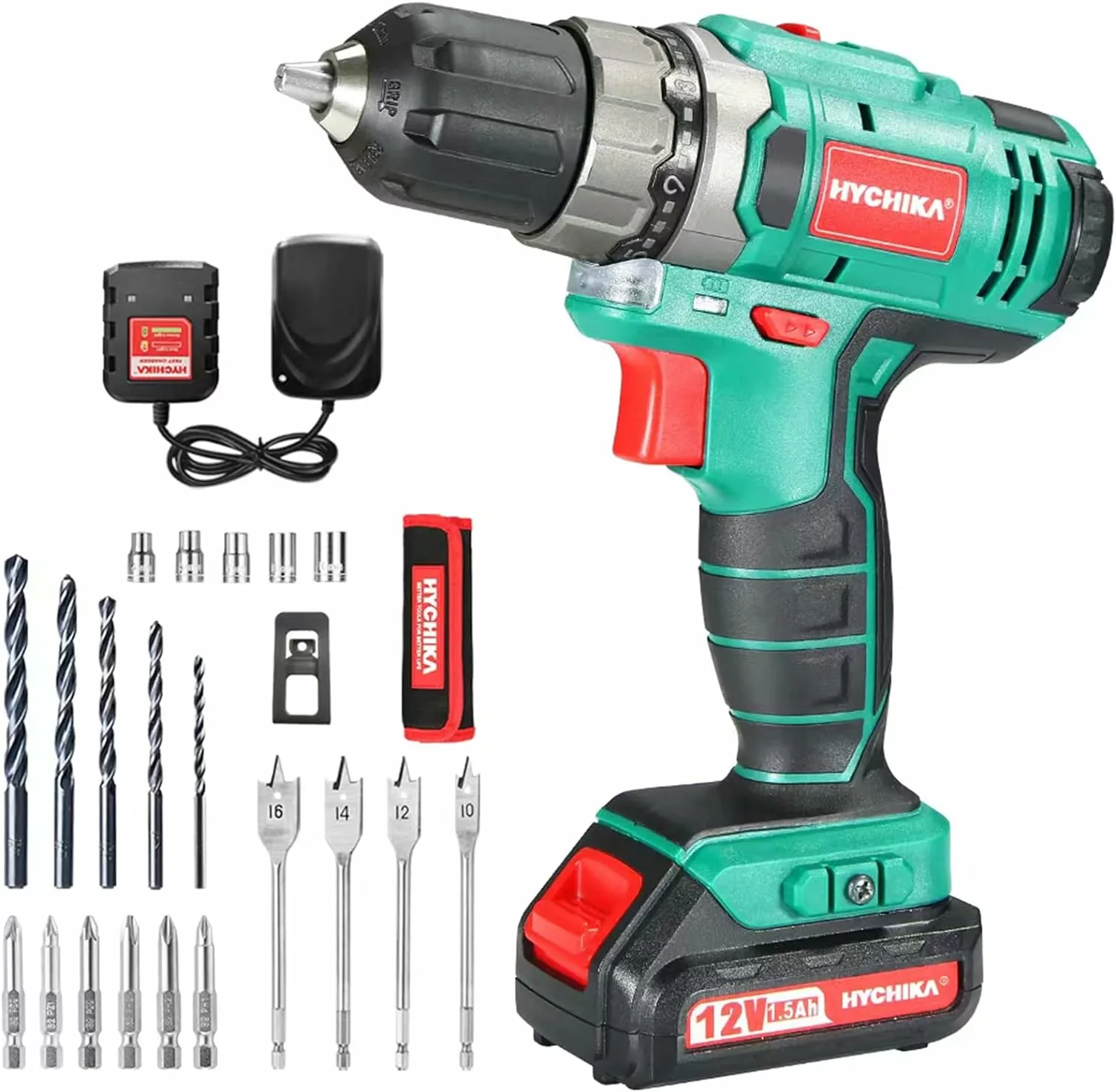
A popular choice for the first cordless tool many UK DIYers buy is the basic drill/driver.
- Purpose: These are designed for general-purpose drilling into materials like wood, plastic, and metal, as well as efficiently driving and removing screws. They have an adjustable clutch that allows you to control the torque, preventing you from over-driving screws or damaging materials.
- Ideal For: Drill drivers are perfect for everyday tasks such as assembling flat-pack furniture, or any light to medium-duty screw-driving and drilling jobs around the house. They are ideal for basic DIY.
Please note this does not have a hammer function so can’t drill into masonry.
2. Combi Drills: The All-Rounder for British Homes
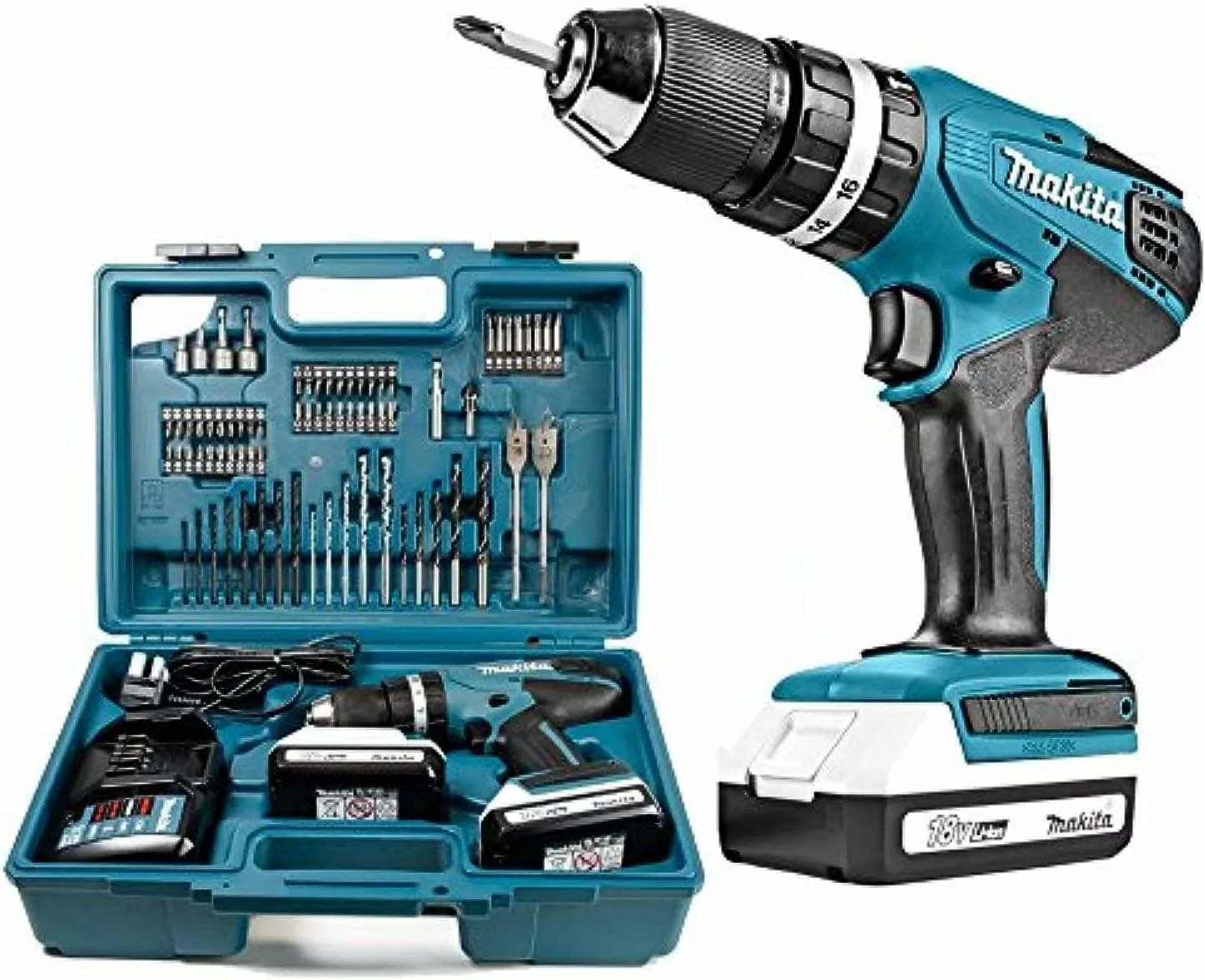
The combi drill (often referred to as a hammer drill in the UK) is a true all-purpose tool.
- Purpose: A combi drill combines the functions of a standard drill/driver but also has an added “hammer” action. This allows the drill bit to rapidly pulse forward and backward while rotating, making it highly effective for drilling into tougher materials like brick, concrete, and stone, in addition to wood, metal, and plastic.
- Ideal For: This type of cordless drill is the most common in British homes. It allows you to do a wide range of home renovation and improvement projects. If your tasks involve drilling into masonry for mounting shelves, installing fixtures, or anchoring heavy items into walls, a combi drill is an indispensable investment.
3. Impact Drivers: Power and Precision for Tough Jobs
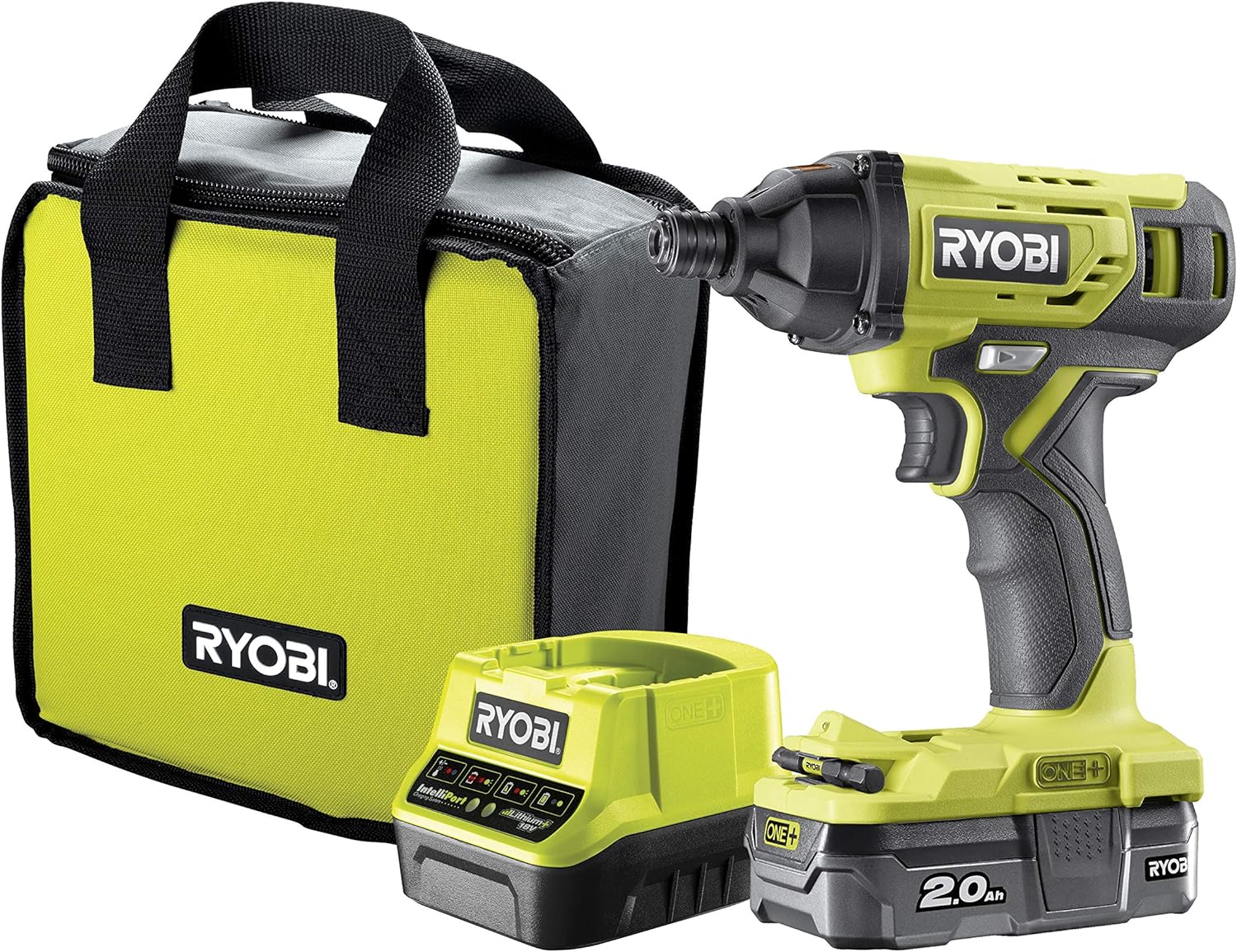
For those heavy-duty fastening (screwing) tasks that require serious muscle, the impact driver steps in.
- Purpose: Unlike a drill, an impact driver delivers powerful, impacts from its motor. It provides higher torque than a regular drill driver, making it exceptionally efficient at driving long screws, lag bolts, and other large fasteners into dense or tough surfaces without stripping the screw head or straining your wrist
- Ideal For: UK DIY enthusiasts for jobs like decking, building outdoor structures, or working on car repairs where precision and immense force are key. They are typically more lightweight and compact than drill drivers, offering better access in tight spaces while delivering superior fastening power.
Key Features to Consider When Buying a Cordless Drill (UK Focus)
Understanding their core features will help you to make an informed decision that perfectly suits your projects. Here’s what truly matters:
Voltage (V): The Heart of Its Power
The voltage (V) of a cordless drill’s battery is a direct indicator of its power and capability. You’ll typically see options ranging from 12V for lighter tasks up to 18V, 20V and even 40V for heavy-duty applications.
- Lower Voltage (e.g., 12V): Suitable for light-duty tasks like assembling flat-pack furniture, hanging pictures, or drilling small pilot holes in wood or plaster. These drills are usually compact and lighter.
- Mid-Range Voltage (e.g., 18V/20V): This should be the choice for most UK DIYers. An 18V cordless drill offers a versatile balance of power and portability, capable of handling general home improvements, drilling into tougher materials, and driving longer screws. Many popular combo kits in the UK feature 18V systems.
- Higher Voltage (e.g., 40V+): Reserved for demanding professional tasks that require maximum power and runtime, such as heavy-duty drilling into concrete or driving large fasteners repeatedly.
Battery Type & Capacity (Ah): Runtime and How Long the Battery Lasts
Modern cordless drills almost exclusively use Lithium-ion (Li-ion) batteries, known for their consistent power delivery and lack of “memory effect.” The battery’s capacity, measured in Amp-hours (Ah), dictates how long the drill will run on a single charge
- Lower Ah (e.g., 1.5Ah – 2.0Ah): Lighter and quicker to charge, suitable for occasional use and lighter tasks.
- Mid-Range Ah (e.g., 3.0Ah – 5.0Ah): Offers a good balance of runtime and weight, perfect for extended DIY sessions.
- Higher Ah (e.g., 6.0Ah+): Provides maximum runtime for continuous, heavy-duty work, though these batteries are heavier and take longer to charge.
- Battery Systems: Many leading brands popular in the UK, such as Makita and DeWalt, offer interchangeable battery systems, meaning one battery can power multiple tools from the same manufacturer. This is a significant advantage for building a comprehensive tool collection.
Price notification – Typically the larger the Ah size the more expensive they are to buy.
Motor Type: Brushed vs. Brushless
The motor is the engine of your drill, and there are two main types:
- Brushed Motors: These are the traditional motor type, typically found in more affordable drills. They use carbon brushes to transfer electricity, which creates friction and heat, leading to less efficiency and a shorter lifespan.
- Brushless Motors: These are a more advanced technology and are more efficient, generate less heat, offer longer runtime per charge, and have a significantly longer tool life. They are also often more compact and powerful for their size. While drills with brushless motors tend to be more expensive, the investment often pays off for frequent users due to their superior performance and length of life.
Torque & Clutch Settings: Control and Precision

Torque: This is the rotational force the drill can apply, crucial for driving screws. Higher torque means the drill can drive larger screws into tougher materials more easily.
- Clutch Settings: Located near the chuck, the clutch allows you to set the maximum torque before the motor disengages. This prevents you from over-driving screws and protects the drill’s motor. A drill with multiple clutch settings offers greater versatility for working with different materials and fastener sizes.
Speed Settings (RPM): Versatility for Different Tasks
Most cordless drills offer at least two speed settings (often indicated by RPM – Revolutions Per Minute):
- Low Speed (High Torque): Ideal for driving screws, as it provides more control and power to prevent stripping.
- High Speed (Lower Torque): Best for drilling holes, especially in softer materials like wood or plastic, for faster and cleaner cuts.
- Variable Speed Trigger: A pressure-sensitive trigger allows for fine control over the drill’s speed, which is essential for starting holes precisely or driving screws gently.
Chuck Size & Type: Bit Compatibility
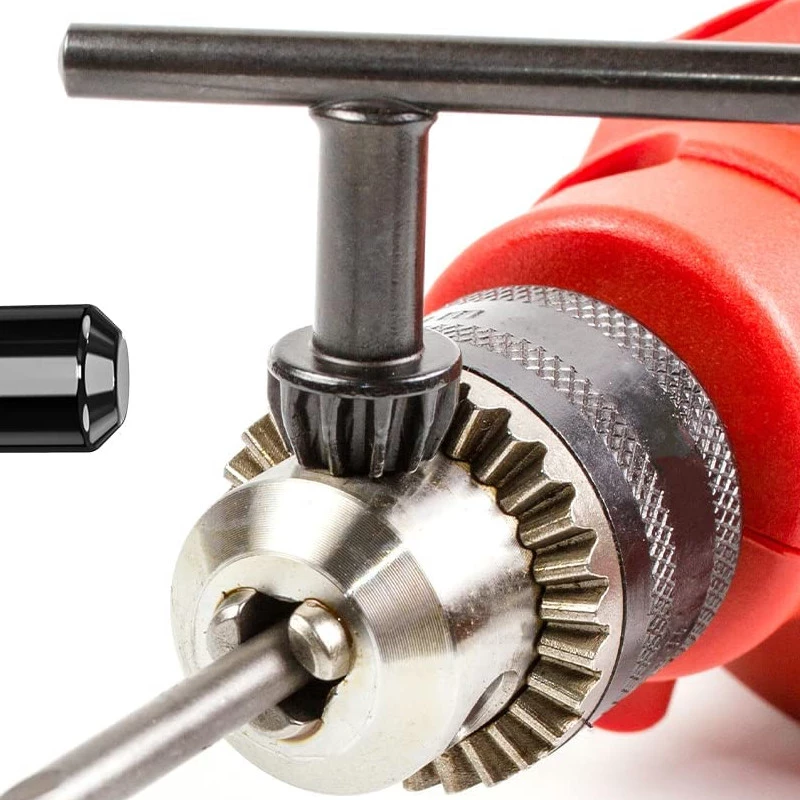
The chuck is the adjustable clamp at the front of the drill that holds the drill bits or screwdriver bits.
- Chuck Size: Common sizes are 10mm (3/8 inch) and 13mm (1/2 inch). A 13mm chuck can accommodate a wider range of larger drill bits and accessories, offering more versatility.
Keyed vs. Keyless Chuck:
- Keyed Chucks: Require a separate key to tighten and loosen, offering a very secure grip but slower bit changes.
- Keyless Chucks: The most common type on modern cordless drills, allowing for quick and easy bit changes by hand.
Ergonomics & Weight: Comfort and Usability
This really only is worth consideration if you plan on extended use. Then the feel of the drill in your hand is important.
- Balance and Grip: A well-balanced drill with a comfortable, ergonomic grip reduces fatigue and improves user control.
- Weight: Lighter drills are easier to handle for overhead work or prolonged tasks, while heavier models might offer more power and stability for demanding jobs. Consider your typical usage when evaluating weight.
Additional Features
Look out for these handy extras that can significantly improve your user experience:
- LED Work Light: Illuminates the work area, useful in dimly lit spaces.
- Belt Clip: Allows you to hang the drill from your belt for easy access when working on ladders or in awkward positions.
- Battery Indicator: Shows the remaining battery charge, helping you manage your work and avoid unexpected power loss.
- Hammer Function: As discussed, this is a vital feature for combi drills, enabling efficient drilling into masonry.
Top Cordless Drill Brands Popular in the UK
When buying a cordless drill, the brand often speaks volumes about quality, reliability, and the breadth of their tool ecosystem.
In the UK market, several manufacturers have consistently earned the trust of both seasoned professionals and enthusiastic DIYers. Understanding these leading brands can significantly narrow down your choices and help you find a system that grows with your needs.Here are some of the top cordless drill brands widely popular and readily available across the United Kingdom:
- DeWalt: A powerhouse in the professional and serious DIY sector, DeWalt is renowned for its robust, high-performance tools and extensive 18V XR and FlexVolt battery platforms. Their drills are often favoured for demanding construction and renovation tasks, known for their durability and powerful performance. Many UK tradespeople and DIY enthusiasts opt for DeWalt for tougher materials and consistent reliability.
- Makita: Another industry leader, Makita offers a vast range of cordless tools, particularly popular for its 18V LXT battery system. Makita drills are celebrated for their ergonomic design, lightweight nature, and impressive power, making them easy to handle while delivering quick and accurate results. They are a go-to choice for both general use and more specialized applications.
- Bosch: Bosch provides a comprehensive selection of cordless drills, catering to both professional (blue range) and DIY (green range) users. Their tools are known for innovation, reliability, and user-friendly designs. The Bosch PST 700 jigsaw, for example, is highlighted for its ease of use among UK DIYers, reflecting the brand’s general appeal.
- Ryobi: Ryobi stands out for its extensive ONE+ 18V battery system, which powers over 200 tools, offering incredible versatility and value for money. This makes them a favourite among DIYers who want to build a comprehensive tool collection without committing to multiple battery platforms. A Ryobi starter set can be a very affordable entry point for new DIYers in the UK.
- Milwaukee: While often associated with professional trades, Milwaukee’s M12 and M18 FUEL cordless systems offer powerful, compact, and highly durable drills and impact drivers. They are known for their advanced brushless motor technology, which delivers superior performance and longevity, appealing to users who demand the best from their tools.
- Einhell: A strong contender in the value-for-money segment, Einhell offers a growing range of cordless tools that provide solid performance for general DIY tasks. They are a good option for those looking for reliable tools without a premium price tag.
When considering these brands, think about their battery systems. Investing in a brand’s battery platform means you can often use the same batteries across a wide array of their other cordless tools, from saws and sanders to garden machinery.
Many of these brands also offer convenient cordless tool sets, which can be an excellent way for UK DIYers to acquire a complete set of reliable tools, including a cordless drill, impact driver, and other essentials, all powered by a single battery system.
Essential Cordless Drill Accessories
A cordless drill is really useful when used with the right accessories. These expand the range of tasks your drill can perform and also enhance efficiency, precision, and safety for every project around your UK home or workshop.
Investing in quality accessories is just as important as choosing the right drill itself.
Drill Bit Sets: The Foundation for Drilling
No drill is complete without a few sets of drill bits. Different materials require different bit types to ensure clean, efficient holes and prevent damage to both the workpiece and the drill. Here’s a good list:
- Wood Drill Bits: Designed for clean cuts in wood, often featuring a pointed tip for accurate starting.
- Metal Drill Bits (HSS – High-Speed Steel): Durable bits for drilling into various metals, plastics, and softer materials. Look for titanium or cobalt coatings for enhanced durability.
- Masonry Drill Bits: Essential for combi drills, these bits feature a carbide tip designed to chip away at hard materials like brick, concrete, and stone.
- Hole Saws: For creating larger diameter holes in wood, plasterboard, or thin metal, hole saws are indispensable. They come in various sizes and require an arbor to attach to your drill.
Screwdriver Bit Sets: Mastering Fastening Tasks
Given that a cordless drill often doubles as an electric screwdriver, a good selection of screwdriver bits is really useful for driving and removing fasteners.
- Common Bit Types: Ensure your set includes Phillips, Pozi (very common in the UK), Torx, and Hex bits in various sizes.
- Impact-Rated Bits: If you own an impact driver, look for impact-rated bits. These are designed to withstand the high torque and percussive action of impact drivers, preventing breakage and stripping.
- Bit Holders: Magnetic bit holders are incredibly useful for quick bit changes and preventing bits from falling out.
Batteries & Chargers: Powering Through Your Projects
While your drill comes with a battery, having additional power sources is crucial for uninterrupted work, especially on larger projects.
- Extra Batteries: A second battery allows you to keep working while one is charging, significantly reducing your downtime. Consider the Amp-hour (Ah) rating; higher Ah batteries offer longer runtime.
- Fast Chargers: Many brands offer rapid chargers that can replenish a battery in a fraction of the time compared to standard chargers, getting you back to work faster.
- Cordless Tool Sets: Most of the popular brands in the UK offer cordless tool sets that include multiple tools (like a drill and impact driver) and often come with multiple batteries and a charger, providing excellent value.
Specialized Attachments & Consumables
Depending on your specific projects, certain specialized accessories can greatly enhance your drill’s usefulness:
- Wire Brushes: Small wire brush attachments can be used for cleaning, rust removal, or preparing surfaces. There are a few different types.
- Sanding Attachments: While not a replacement for a dedicated sander, small sanding drums or discs can be attached for light sanding or finishing in tight spaces.
- Mixing Paddles: For mixing paint, plaster, or adhesive, a mixing paddle attachment transforms your drill into a powerful mixer.
Storage & Safety: Protecting Your Investment and Yourself
Finally, don’t overlook the importance of proper storage and personal protection.
- Tool Bags & Cases: A tough tool bag or a hard case protects your drill and its accessories from damage, keeps them organized, and makes transport easy. Many drills come with a case, but dedicated accessory cases are also available.
- Safety Gear: Always prioritize safety. Essential PPE includes safety glasses to protect your eyes from debris, work gloves for grip and protection, and hearing protection, especially when using the hammer function or drilling into tough materials
By thoughtfully selecting these essential accessories, your cordless drill will become an even more powerful and versatile companion for all your DIY and professional tasks across the UK.
How to Choose the Right Cordless Drill for Your Project
With so many excellent cordless drills on the UK market, making the final choice can be difficult. The “best” cordless drill isn’t a one-size-fits-all answer; it’s the one that perfectly matches your specific projects, frequency of use, and budget.
This section will guide you through that decision-making process, ensuring you pick a tool that truly is good enough for your work around your UK home or on the job site.
Assess Your Typical Projects: Light, Medium, or Heavy-Duty?
Start by honestly evaluating the kind of work you anticipate doing most often:
For Light DIY & Everyday Home Tasks:
Projects | Recommended Drill Type | Key Features to Prioritise: |
|---|---|---|
Think assembling flat-pack furniture, hanging pictures, installing curtain rails, tightening loose screws, or drilling small pilot holes in wood, plasterboard, or thin metal. These are common tasks in any British household. | A standard drill driver (often 12V or 18V with a lower Amp-hour battery like 1.5Ah – 2.0Ah) will be more than sufficient. Focus on a lightweight, ergonomic design for comfort and ease of use. A brushed motor is perfectly acceptable here. | Good balance, comfortable grip, variable speed trigger for precision, and a reliable keyless chuck. |
For General Home Improvement & Occasional Masonry:
Projects | Recommended Drill Type | Key Features to Prioritise: |
|---|---|---|
This category includes more substantial DIY tasks like drilling into brick or concrete for mounting shelves, installing outdoor lighting, building garden structures, or tackling larger renovation jobs that might involve tougher materials. | A versatile combi drill (typically 18V or 20V, with a 3.0Ah – 5.0Ah battery) is your ideal companion. The hammer function is crucial for masonry work, which is common in UK homes. | A robust hammer action, multiple clutch settings for varied materials, and potentially a brushless motor for better efficiency and longevity if you plan frequent use. |
For Heavy-Duty DIY:
Projects | Recommended Drill Type | Key Features to Prioritise: |
|---|---|---|
If you’re a keen and serious DIY person, frequently undertaking demanding construction, renovation, or automotive tasks, or regularly working with dense materials like thick timber, concrete, or metal, you need serious power. This includes tasks like securing decking or extensive car repairs. | A high-voltage (18V, 20V, or even 40V) combi drill with a powerful hammer function, or a dedicated impact driver for heavy fastening. Buy drills with brushless motors and higher Amp-hour batteries (5.0Ah+) for extended runtime and durability. | High torque output, advanced battery technology (Li-ion with higher Ah), durable construction, and excellent ergonomics for prolonged, strenuous use. Consider models with side handles for better control. |
Balance Features with Your Budget
Storage & Safety: Protecting Your Investment and Yourself
While it’s tempting to go for the most powerful drill, remember that higher voltage and advanced features like brushless motors or larger batteries come with a much higher price tag.
- Invest Smartly: For most UK DIYers, an 18V combi drill from a reputable brand offers the best balance of performance, versatility, and value.
- Consider Starter Kits: Many top brands popular in the UK offer cordless tool sets that include a drill, impact driver, multiple batteries, and a charger. These can be a very cost-effective way to build your power tool collection, especially when starting out.
- Future-Proofing: If you anticipate expanding your tool collection, consider a brand with a wide range of interchangeable battery-powered tools (e.g., DeWalt, Makita, Ryobi, Bosch). This allows you to use the same batteries across different tools, saving money in the long run.
Don’t Forget the Details
- Availability: Ensure the models and brands you’re considering are readily available from trusted retailers in the UK, especially if you plan to purchase through Amazon UK.
- Accessories: Factor in the cost of essential drill bit sets (wood, metal, masonry) and screwdriver bits. These are crucial for getting the most out of your drill.
- Warranty & Support: Check the manufacturer’s warranty and availability of service centres, parts and accessories in the UK.
By carefully considering your project needs and matching them with the right cordless drill type and features, you’ll make a confident purchase that serves you well for years to come. Have a look at our detailed reviews to find the perfect model.
Cordless Drill Maintenance Tips: Keeping Your Tool in Top Condition
Your cordless drill can be a significant investment. Just like any valuable tool, proper care and regular maintenance are crucial to ensure it lasts, and delivers optimal performance, and continued reliability.
A well-maintained drill not only saves you money on replacements but also prevents frustrating breakdowns mid-project. For UK tool users, where damp conditions can sometimes be a factor, diligent care is even more important.
Battery Care
The battery is the heart of your cordless drill, and its proper care is important for maximum runtime and lifespan.
- Charge Smartly: Modern Lithium-ion (Li-ion) batteries don’t suffer from the “memory effect” of older battery types. It’s generally best to charge them when they’re low, but avoid leaving them on the charger indefinitely once full, as this can sometimes reduce their overall life. Always use the charger supplied by the manufacturer for safety and efficiency.
- Storage: Store batteries in a cool, dry place, away from direct sunlight and extreme temperatures. Avoid leaving them in a freezing shed during winter or a scorching hot car during summer, as extreme heat or cold can degrade battery performance over time.
- Clean Terminals: Periodically wipe the battery terminals and the charger contacts with a clean, dry cloth to ensure a good connection and efficient power transfer.
General Cleaning
Dust, sawdust, and debris are the enemies of any power tool. Regular cleaning prevents build up that can lead to overheating and premature wear.
- After Each Use: Give your drill a quick wipe-down with a dry cloth to remove surface dust and grime.
- Clear Vents: Use compressed air (from a can or compressor) to blow out dust from the motor vents. This is vital for proper cooling and preventing the motor from overheating, especially after drilling into dusty materials like plasterboard or wood.
- Avoid Liquids: Never immerse your cordless drill in water or use harsh chemical cleaners. A slightly damp cloth is usually sufficient for exterior cleaning.
Chuck Maintenance
The chuck holds your drill bits and screwdriver bits securely.
- Keep it Clean: Open the chuck jaws fully and use a small brush or compressed air to remove any accumulated dust, wood chips, or metal shavings. Debris can prevent the jaws from gripping bits properly, leading to slippage.
- Light Lubrication (Sparingly): Occasionally, a tiny drop of light machine oil applied to the chuck jaws (and then worked by opening and closing the chuck) can help maintain smooth operation. Wipe away any excess immediately.
Drill Bit & Accessory Care
Your drill is only as good as the bits it uses.
- Clean Bits: After use, clean any dust or dirt from your drill bits and screwdriver bits.
- Sharpen or Replace: Dull drill bits and worn screwdriver bits are inefficient, can damage your workpiece, and put unnecessary strain on your drill’s motor. Sharpen drill bits when they become dull, or replace them if they’re beyond sharpening. Replace worn screwdriver bits promptly.
- Proper Storage: Store your bits in their original cases or dedicated bit holders. This protects them from damage, keeps them organised, and makes them easy to find for your next project.
Storage
Where and how you store your cordless drill significantly impacts its lifespan.
- Dry Environment: Store your drill and batteries in a dry place, protected from humidity. This is particularly important in the UK, where damp conditions can lead to corrosion and damage.
- Dedicated Storage: Use the drill’s original hard case, a dedicated tool bag, or a secure drawer in your workshop, garage or shed. This protects the tool from impacts, dust, and accidental damage.
- Away from Extremes: As with batteries, keep the entire tool away from extreme heat or cold.
Regular Inspection
Make it a habit to give your drill a quick visual and auditory check before and after use.
- Check for Damage: Look for any cracks in the casing, frayed wires (on the charger), or loose components.
- Clear Vents: Double-check that the air vents are free from obstruction.
- Listen for Unusual Noises: If you hear any grinding, rattling, or unusual sounds during operation, it could indicate an internal issue that needs attention. Addressing these early can prevent more significant problems down the line.
By dedicating a little time to these simple maintenance practices, your cordless drill will remain a reliable and powerful companion for all your projects, ensuring it’s always ready when you need it for tasks around your UK home or on the job.
Safety First: Using Your Cordless Drill Safely
A cordless drill is a powerful and efficient tool, but like any power tool, it can be a dangerous tool to use.
Prioritising safety isn’t just about avoiding accidents; it’s about ensuring a productive and worry-free experience for every project, whether you’re working in a busy UK workshop or tackling a simple DIY task at home.
Always remember: a few moments spent on safety can prevent serious injury.
Essential Personal Protective Equipment
Before you even pick up your cordless drill, ensure you’re wearing the correct personal protective equipment (PPE). This gear is your first line of defence against common hazards:

Eye Protection: Always wear safety glasses or goggles. Drilling can produce flying debris, dust, and splinters that can cause severe eye injuries. Look for eyewear that meets relevant safety standards.
- Hand Protection: Work gloves are crucial. They protect your hands from splinters, cuts, abrasions, and provide a better grip on the tool and workpiece. Choose gloves appropriate for the task – some offer cut resistance, while others provide better dexterity.
- Hearing Protection: When using a cordless drill, especially a combi drill with hammer function or when drilling into tough materials, the noise can be significant. Earplugs or earmuffs are essential to protect your hearing from long-term damage.
- Respiratory Protection: If your project generates a lot of dust (e.g., drilling into drywall, wood, or masonry), wear a dust mask or respirator. This prevents you from inhaling harmful particles that can affect your respiratory health.
- Foot Protection: If there’s any risk of dropping the drill or heavy materials, safety footwear with reinforced toes is highly recommended.
Safe Operating Practices
Beyond wearing PPE, how you use the drill is critical for safety:
- Read the Manual: Every cordless drill is different. Before first use, always read the manufacturer’s instruction manual. It contains vital information on safe operation, specific features, and maintenance for your particular model.
- Secure Your Workpiece: Never hold the material you’re drilling by hand. Always use a clamp or a vice to firmly secure your workpiece. This prevents the material from spinning or shifting, which can lead to loss of control and injury.
- Choose the Right Bit: Use the correct drill bit for the material you’re working with (wood, metal, masonry) and the appropriate size for the hole or fastener. A dull or incorrect bit can bind, overheat, or break.
Select the Correct Setting:
- Speed: Use a low speed for driving screws and drilling into metal, and a high speed for drilling into wood or plastic.
- Torque/Clutch: Adjust the clutch setting to prevent over-driving screws or damaging the material.
- Mode: Ensure your combi drill is in the correct mode (drill, drive, or hammer) for the task.
- Maintain a Firm Grip: Always hold the drill firmly with both hands if possible, especially when using larger drills or tackling demanding tasks. Maintain good balance and a stable stance.
- Start Slowly and Apply Steady Pressure: Begin drilling at a slow speed to prevent the bit from “walking” across the surface. Once the bit has engaged, apply steady, even pressure. Avoid excessive force, which can cause the drill to bind or kick back.
- Clear Your Workspace: Keep your work area tidy and free from clutter, tripping hazards, and flammable materials. Ensure adequate lighting.Unplug When Changing Bits or Adjusting: While cordless drills offer convenience, it’s still best practice to remove the battery when changing bits, making adjustments, or performing maintenance to prevent accidental activation.
General Precautions
- Inspect Your Tool: Before each use, quickly inspect your drill for any damage, loose parts, or frayed battery connections. Do not use a damaged tool.
- Battery Safety: Only use the charger and batteries designed for your specific drill. Follow battery charging and storage guidelines to prevent overheating or damage.
- Stay Alert: Avoid using power tools when you are tired, under the influence of medication, alcohol, or drugs. A moment of inattention can lead to serious injury.
By making safety a priority, your cordless drill will be a powerful and reliable partner for all your projects, ensuring you can work confidently and effectively.
Frequently Asked Questions (FAQs) About Cordless Drills
Q. What’s the main difference between a drill driver and a combi drill?
A drill driver is primarily designed for drilling holes into softer materials like wood, plastic, and metal, and for driving screws. A combi drill, on the other hand, offers all these functions plus an essential “hammer” action. This hammer mode allows it to efficiently drill into tougher masonry materials like brick, concrete, and stone, making it a more versatile all-rounder for typical UK home renovation projects.
Q. How long does a cordless drill battery typically last on a single charge?
Battery runtime varies significantly based on its Amp-hour (Ah) rating and the intensity of the task. A higher Ah rating (e.g., 5.0Ah vs. 2.0Ah) means longer runtime. For light-duty tasks, a smaller battery might last hours, while heavy-duty drilling into tough materials will drain it much faster. Many users in the UK opt for a second battery to ensure uninterrupted work on larger projects.
Q. Can I use a cordless drill to drill into concrete or brick?
Yes, but only if it’s a combi drill (or hammer drill) with a dedicated hammer function. Standard drill drivers lack the percussive action needed to effectively break through masonry. Always ensure you’re using the correct masonry drill bit for the material.
Q. What voltage cordless drill do I really need for home DIY?
For most general home DIY tasks in the UK, an 18V or 20V cordless drill offers the best balance of power, versatility, and portability. This voltage range is capable of handling everything from assembling furniture to drilling into most common household materials, including occasional masonry if it’s a combi drill. Higher voltages are generally for more demanding professional use.
Q. Is a brushless motor worth the extra cost for a cordless drill?
For frequent users or those tackling more demanding projects, a brushless motor is often a worthwhile investment. Brushless drills are more efficient, delivering longer runtime per battery charge, generating less heat, and offering a longer overall tool lifespan. They also tend to be more compact and powerful for their size compared to brushed motor drills.
Q. Can I use any brand of battery with my cordless drill?
Generally, no. Most cordless power tool brands use proprietary battery systems. For example, a Makita battery will only work with Makita tools, and a DeWalt battery with DeWalt tools. This is why many UK DIYers choose to invest in a single brand’s battery platform, allowing them to use the same batteries across a range of their cordless tools.
Q. How can I make my cordless drill bits last longer?
To extend the life of your drill bits, ensure you’re using the correct bit type for the material, apply steady and appropriate pressure (avoiding excessive force), and use the correct speed setting (lower speed for harder materials, higher for softer). Keeping bits clean and sharp, and storing them properly, also contributes to their longevity.
Hopefully you now understand the fundamental types of cordless drills and the crucial features that define their performance. Choosing the right cordless drill isn’t merely a purchase; it’s an investment in your efficiency, precision, and confidence for every task you undertake around your UK home or on the job site.
Remember, the ideal cordless drill is the one that perfectly aligns with your specific needs – whether you’re a casual DIYer assembling flat-pack furniture, a keen renovator tackling masonry, or a professional demanding robust power for heavy-duty fastening. By considering factors like voltage, battery capacity, motor type, and ergonomic design, you can select a tool that feels like an extension of your own capabilities.A well-chosen cordless drill, coupled with proper maintenance and safe operating practices, will not only make your projects smoother but also stand the test of time. It’s the versatile workhorse that empowers you to drill, drive, and tackle a myriad of challenges with unparalleled freedom.Ready to transform your toolkit and elevate your next project? Explore our in-depth reviews of specific cordless drill models to find your perfect match, and confidently make your purchase through our trusted Amazon UK links.