
If you need to cut timber, MDF, or laminate, the quality of your cut depends on both the saw and the blade. This guide walks you through how to set up your circular saw for cleaner, safer and more accurate cuts.
We also suggest which accessories can help you cut straighter, faster, and with less frustration.
Blade Setup Basics
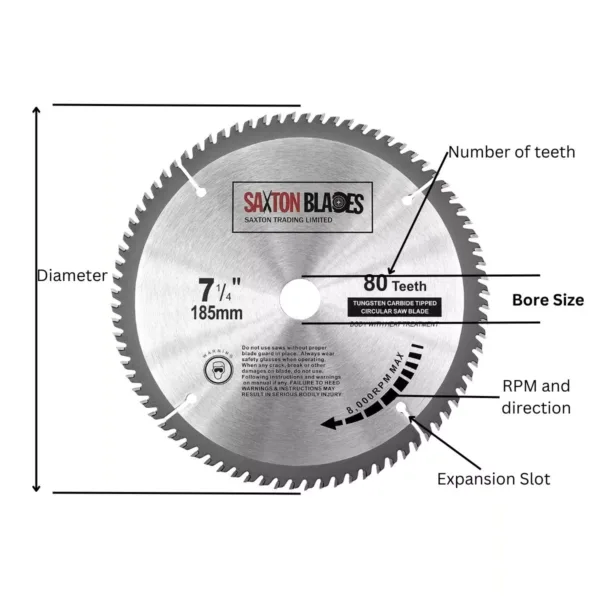
It is always very tempting to just get your circular saw out of the box, attach the guard and blade and start cutting. We would genuinely recommend not to do that. Instead, before you start cutting, make sure your saw is properly set up and adjusted.
During transit, the factory settings of your saw can easily get knocked out of alignment, due to rough handling and just the general movement and handling of the saw.
The settings on a circular saw affect depth, angle, and alignment. These are crucial for accuracy and safety.
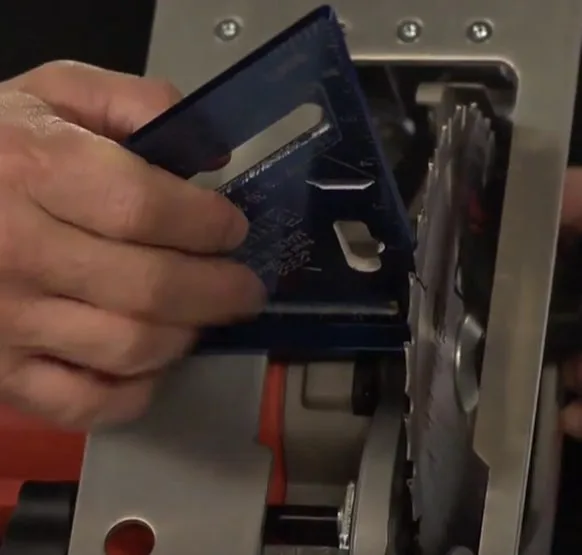
Initially, the first thing to do, once you have fitted the blade, is to make certain it is set at 90 degrees to the base. A square is the ideal choice for this as you can see in the image below.
Cutting Depth
On any good circular saw, you will be able to set the depth of the cut that you want to make. This is usually a small lever but that can vary from brand to brand.
- You should set the blade so it extends 3–5mm below the material you’re cutting
- If set too deep – this will mean potential kickback risk and rougher cuts
- If set too shallow – this will lead to the blade binding or incomplete cuts
Bevel Angle
The majority of users only use their circular saw to make straight cuts. It can be used for other types of cuts as explained below.
- Most circular saws allow you to adjust the angle of the base from 0° to 45°
- You can use bevel cuts for angled edges, mitres, or trim work
- Check for positive stops at common angles for faster setup
Typical uses for these types of cuts are to take the square edge off table tops, and for cutting the angles for skirting boards and trim to make a neat finish.
Blade Alignment
- Ensure the blade is parallel to the shoe/baseplate
- Misalignment causes crooked cuts and burn marks
- Use a square or guide rail to test straightness
Must-Have Accessories for Better Cuts
These add-ons help you cut straighter, cleaner, and more confidently, especially if you’re working alone or in tight spaces.
Guide Rails & Track Systems
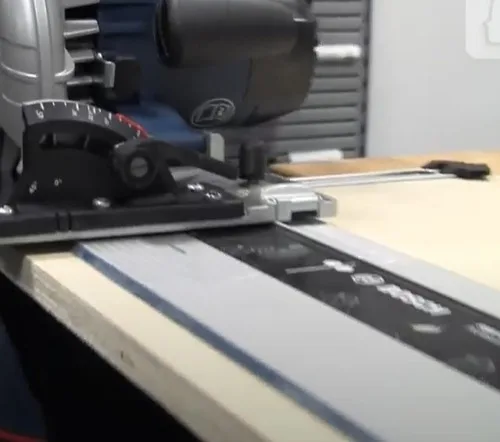
These are perfect for ensuring straight cuts on sheet goods like plywood or MDF
- They essentially guide the blade and prevent blade drift and splintering
- Brands like Makita, Evolution, and Worx offer circular saw compatible rails
Rip Fences & Edge Guides
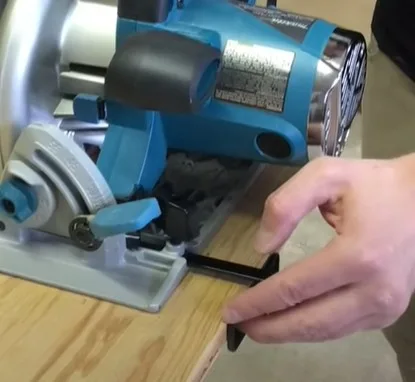
Most circular saws come with this guide as an accessory, and many beginners don’t actually know what it is used for.
- These rip guides simply attach to the saw’s base and allow you to make repeat parallel cuts
- That makes the fence really useful for trimming timber or making repeatable cuts
Crosscut Stations
- Turn your circular saw into a mini mitre saw
- Perfect for decking, fencing, and trim work
Dust Extraction Attachments
- Keep your workspace clean and improve visibility
- Some models connect to shop vacs or dust bags
Setup Tips for Beginners
- Use a speed square as a guide for quick 90° cuts
- Clamp guide rails for repeatable accuracy
- Score your cut line with a utility knife to reduce chip-out
- Always test your setup on scrap wood before starting your project
- Make sure you have the right blade for the job. Remember the more TPI on the blade the neater the cut will be.
Related Guides
- Circular Saw Blade Sizes UK
- Mini Circular Saws – Compact Cutting for Tight Spaces
- How Deep Can a Circular Saw Cut
- Best Circular Saw for Beginners
As always, if you have any comments please leave those below. If you have any tips for blade setup for beginners feel free to share those too.