
Brushless motor technology is now the standard for professional 18V impact drivers. Its core benefit is eliminating the physical friction of carbon brushes.
This immediately results in higher efficiency, less heat, and a drastically longer motor lifespan.
Where brushed motors often lasted between 1,000 to 3,000 hours, brushless motors can last 10,000 to 20,000 hours or more, limited mainly by bearing wear and electronics.
However, not all brushless motors are created equal. Makita, DeWalt, and Milwaukee each employ unique protective technologies and design philosophies that are key to the tool’s long-term durability and performance consistency.
We examine these “intelligent electronics” that truly determine a tool’s longevity.
The Core Brushless Advantage
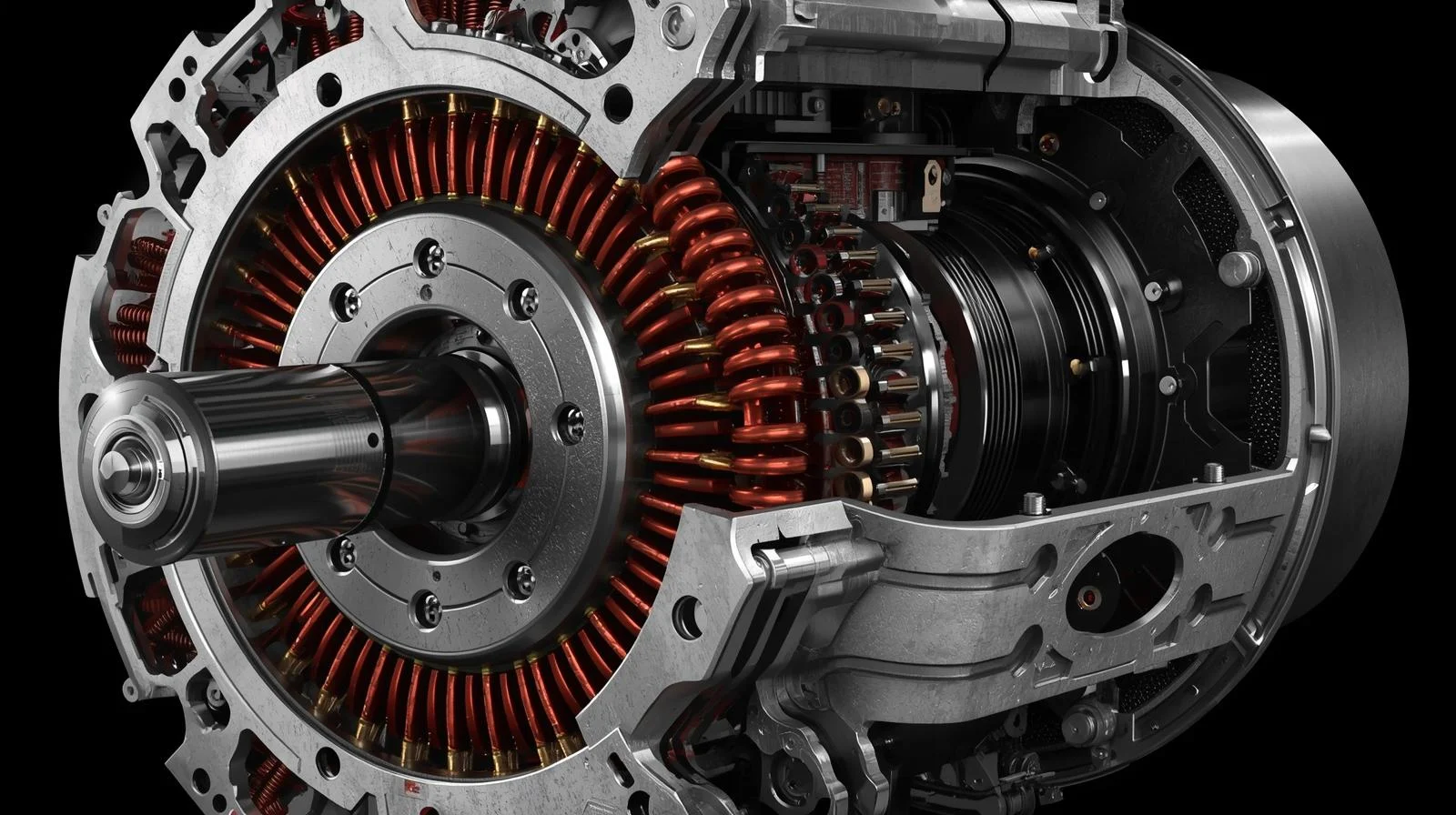
The shared benefits of the brushless design are found across the Makita LXT, DeWalt XR, and Milwaukee M18 FUEL lines. Those are the foundational layer of longevity:
- No Physical Wear: By replacing physical brushes with electronics (a computer-controlled switching of the magnetic field), there is virtually no friction wear inside the motor housing.
- Reduced Heat: Less friction means less wasted energy converted into heat. Running cooler prevents the rapid degradation of internal components, especially the sensitive electronics and magnets.
- Efficiency and Runtime: Brushless motors can be up to 50% more efficient than their brushed counterparts, delivering more torque per watt and extracting significantly longer runtime from the same battery charge.
Electronic Protection Systems (The Lifespan Guardrails)
The lifespan of a modern impact driver is not determined by the motor itself, but by the sophistication of its electronic control unit.
This unit manages the flow of power to protect both the motor and the battery from damage.
Milwaukee: REDLINK PLUS Intelligence
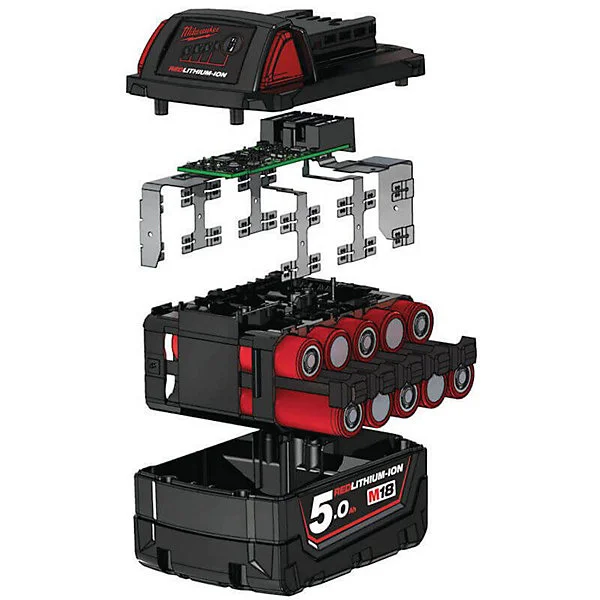
Milwaukee’s longevity claim is anchored by its REDLINK PLUS electronics, which is a triple threat of technology (Motor, Battery, and Electronics).
- Active Tool-Battery Communication: REDLINK PLUS constantly monitors the tool’s load, the battery’s charge status, and the tool’s temperature in real-time.
- Overload and Overheating Protection: If the tool begins to draw too much power or the motor gets too hot, the electronics will instantly shut down the tool or modulate the power output. This is crucial for protecting the motor windings during high-torque binding events.
- POWERSTATE Brushless Motor: Milwaukee specifies its motors use higher quality magnets and more copper for superior power delivery and thermal management.
Makita: Star Protection and XPT Technology

Makita’s philosophy focuses on robust communication and environmental sealing for longevity.
- Star Protection Computer Controls™: This system provides real-time communication between the LXT battery and the tool. Like REDLINK, it actively protects against overload, over-discharge, and overheating, which dramatically extends the life of both components.
- XPT (eXtreme Protection Technology): This is a physically engineered feature. XPT creates a series of integrated seals and channels within the tool housing to channel away dust and water. This is vital for tradespeople working outdoors or in dusty environments, as debris and moisture are two of the biggest killers of electronic components.
DeWalt: XR Brushless and E-Clutch
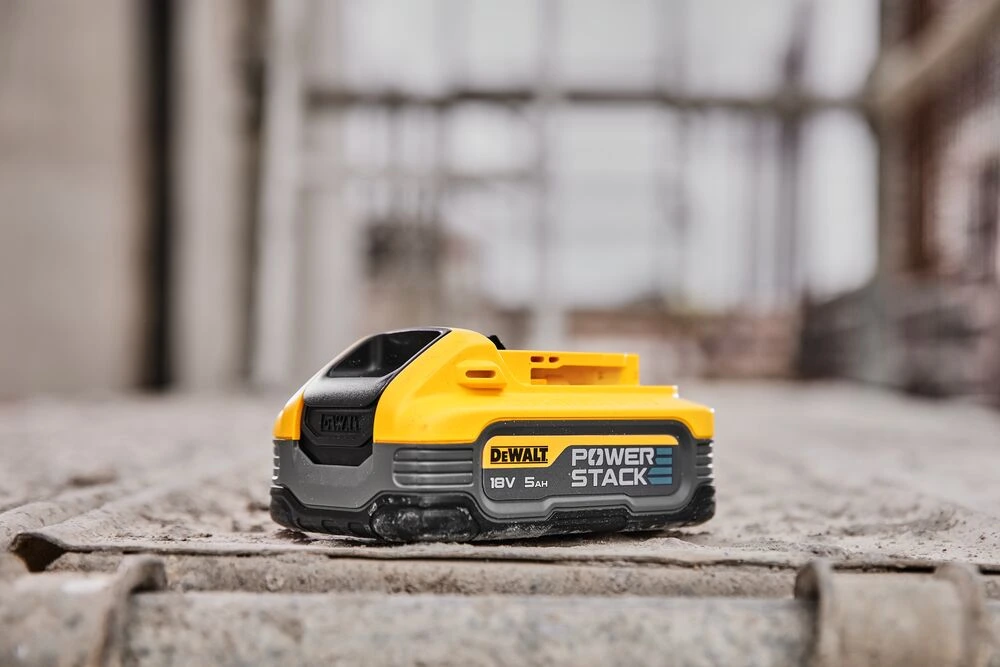
DeWalt’s durability is built around delivering consistent power safely, reducing sudden mechanical shock to the system.
- XR Brushless Family: DeWalt’s brushless motors are engineered to maximize run-time and operate cooler, leveraging their unique battery designs (including PowerStack) for maximum thermal efficiency.
- E-Clutch System (or similar technology): In DeWalt’s rotary tools (like drills), the E-Clutch senses a bind-up situation and shuts down the tool almost instantly. While impact drivers use mechanical clutch action, the electronic oversight ensures the sudden mechanical shock doesn’t damage the motor’s core, which contributes to long-term reliability.
Whose Design Wins on Longevity?
While all three systems offer exceptional durability compared to older brushed models, the emphasis on different types of protection dictates the winner based on your typical working environment.
Longevity Factor | Winner | Why? |
|---|---|---|
Electronic/Thermal Protection | Milwaukee REDLINK PLUS | The combination of POWERSTATE motor components and REDLINK PLUS control is often cited as the most aggressively protective, particularly under continuous, heavy thermal load. |
Max Cut Depth | Makita XPT | The physical sealing against dust and moisture (XPT) makes Makita the most robust choice for users who frequently work in dirty, wet, or exposed outdoor job site conditions. |
Overall Consistency | DeWalt XR | DeWalt is often praised by long-term users for its consistent performance and mechanical resilience. Their integration of the motor with the 54V FLEXVOLT system suggests a robust design capable of handling high power demands. |
Final Takeaway:
It is difficult to say one is definitively better without laboratory endurance testing. However, if your primary concern is longevity in harsh, outdoor, or dusty environments, Makita’s XPT gives it a slight edge due to its superior environmental sealing.
For those focused on maximizing power output without burning out the motor during aggressive, continuous work, Milwaukee REDLINK PLUS is the most feature-rich protective system.
Continue the Comparison: For a complete view of the ecosystem, return to our main article: Makita vs DeWalt vs Milwaukee Impact Driver Ultimate UK Review.