
Sanding plaster and plasterboard generates incredibly fine, inhalable particles. Inhaling this dust over time poses significant respiratory risks.
For UK tradesmen and serious DIYers, the Health and Safety Executive (HSE) strongly advises the use of dust control measures.
A standard domestic vacuum cleaner is not sufficient. The truth is you need a compliant, high-capacity dust extractor.
Understanding UK Dust Class Ratings (L,M,H)
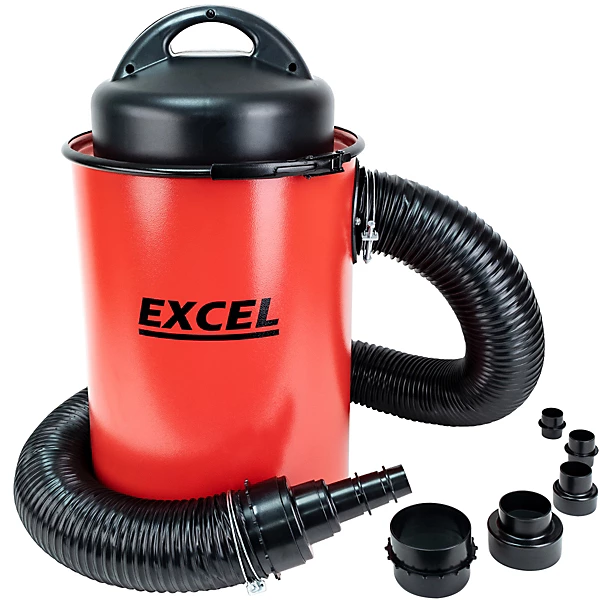
In the UK and EU, dust extractors are legally classified based on the hazard level of the dust they can safely capture. For renovation dust, choosing the correct class is mandatory for compliance and safety.
Class | Filtration % | Typical Use Case | Relevance to Plaster |
|---|---|---|---|
L-Class | 99% | General, low-hazard dust (e.g., house dust, soft wood). | Minimum requirement for sanding common plasterboard. |
M-Class | 99.9% | Medium-hazard dust (e.g., hard woods, masonry, fillers, quartz). | Recommended for maximum safety when sanding skimmed plaster, which contains crystalline silica RCS |
H-Class | 99.995% | High-hazard dust (e.g., carcinogenic dusts like asbestos, lead). | Reserved for highly regulated sites and specific hazardous material removal. |
Our Verdict: Always aim for an M-Class extractor for serious renovation work involving plaster, fillers, and wood.
The minor cost increase is a worthy investment in your long term health and is often required for professional job sites.
Key Features for Plasterboard Sanding
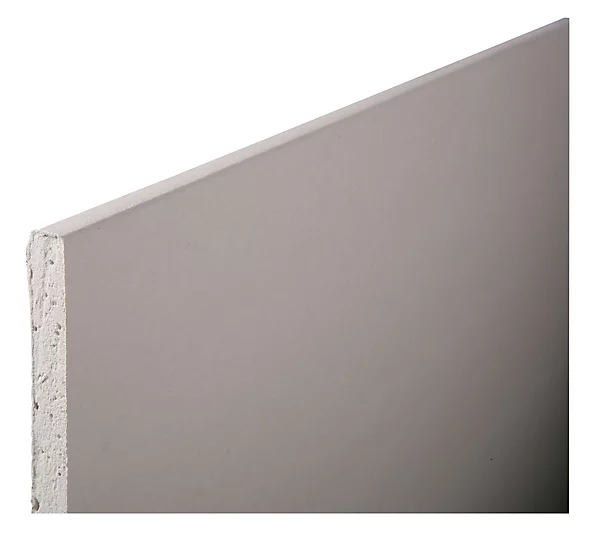
Plasterboard dust is notorious for clogging filters instantly, leading to reduced suction and motor burnout. Look for these four critical features to ensure constant, efficient performance.
2.1 Automatic Filter Cleaning (The Game Changer)
Plaster dust blocks filters fast as it is very fine. A superior extractor will have a system to knock the dust off the filter while you work. This is typically done in two ways:
- Push&Clean/Semi-automatic: You manually block the hose and press a button to reverse the airflow. This breaks the suction temporarily.
- Automatic Pulse/Self-Cleaning: The machine automatically pulses the filter every few seconds to maintain constant suction without interrupting your work. This is the best option for plaster work, as you can sand continuously.
2.2 Automatic Tool Start (The Efficiency Boost)
This feature allows you to plug your power tool (sander, saw, router) directly into a power take-off socket on the extractor. When you switch the tool on, the extractor automatically starts.
When you switch the tool off, the extractor runs for an extra few seconds to clear the dust remaining in the hose, then switches off. This saves power and greatly increases efficiency and cleanliness.
2.3 Wet and Dry Capability
A versatile extractor can handle both dry dust (plaster, wood) and wet pick-up (e.g., small floods, slurry from tile cutting).
Important: Always remove the paper or fleece dust bag before using the wet function, and replace the filter with a suitable wet filter if required by the manufacturer.
2.4 Filter Type and Bagging
- HEPA M-Class Filter: Ensure the main filter is compliant with the M-Class rating. This usually means a fine, pleated PET (polyester) filter.
- Fleece Filter Bags: Use high-quality, tear-resistant fleece bags. These are more expensive than paper but significantly prolong the life of the main filter and make disposal easier. For fine plaster dust, always use a bag to capture the majority of the material before it hits the main filter.
UK Top Recommendation for Plaster Dust
While many brands offer M-Class certification, the difference in price often comes down to the efficiency of the automatic cleaning system.
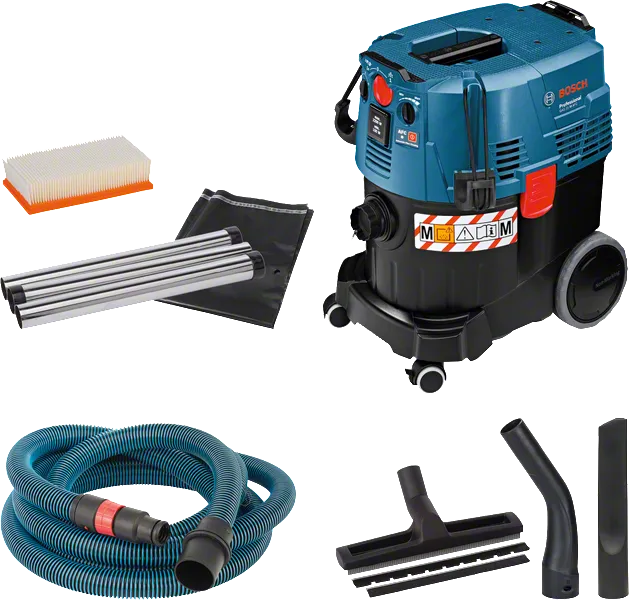
Bosch GAS 35 M Dust Extractor
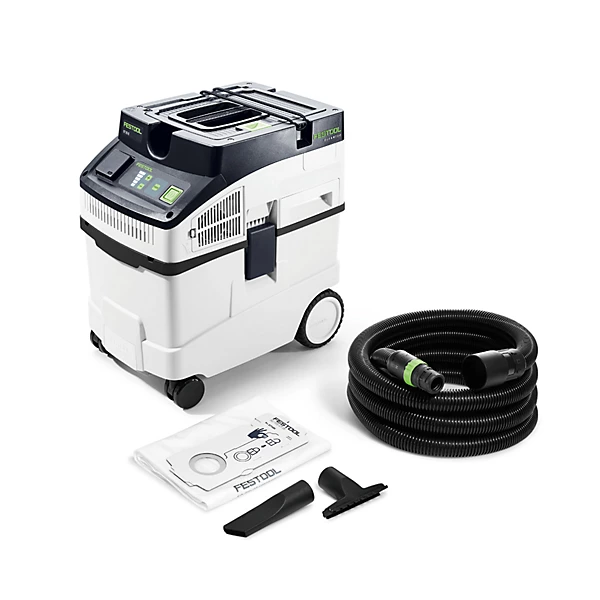
Festool Dust Extractor
Model Type | Key Advantage | Notes |
|---|---|---|
Mid-Range M-Class (e.g., Makita VC, BoschGAS35 M | Excellent performance and build quality. Includes automatic tool start and semi-automatic (Push&Clean) filter clean. | Great for ambitious DIYers. Requires periodic manual intervention to clean the filter. |
High end M-Class. (e.g., Festool CTL/CTM, Mirka DE 1230 | Fully automatic filter cleaning (pulsing). Designed for high-volume, continuous professional work where uptime is critical. | A significant investment, but essential if your renovation involves weeks of sanding, as it virtually eliminates clogging. |
Summary
Choosing the right dust extractor is a matter of health and efficiency. For working with fine plaster dust, the M-Class rating and automatic filter cleaning are non-negotiable features for a smooth, continuous workflow.
Investing in this safety equipment protects your lungs and saves you time on the job.
If you are ready to tackle other essential renovation skills, head back to the main DIY Home Renovation Essentials guide for more articles on tiling, stud-finding, and power tool safety!