
⭐ Angle Grinder Disc Types Explained (Beginner’s Guide UK)
Choosing the right angle grinder disc makes all the difference to how clean, fast, and safe your work is.
Whether you’re cutting metal, grinding welds, removing rust, or polishing steel, each disc has a specific purpose — and using the wrong one can damage your workpiece or even cause an accident.
I’ve been using angle grinders for over 50 years in my workshop here in Northern Ireland, and in this guide I’ll explain every common disc type in simple, practical terms.
If you’re completely new to grinders, you might also find my Angle Grinder Sizes UK and Angle Grinder Safety UK guides helpful.
⭐ 1. Cutting Discs (Thin Metal Cutting Wheels)
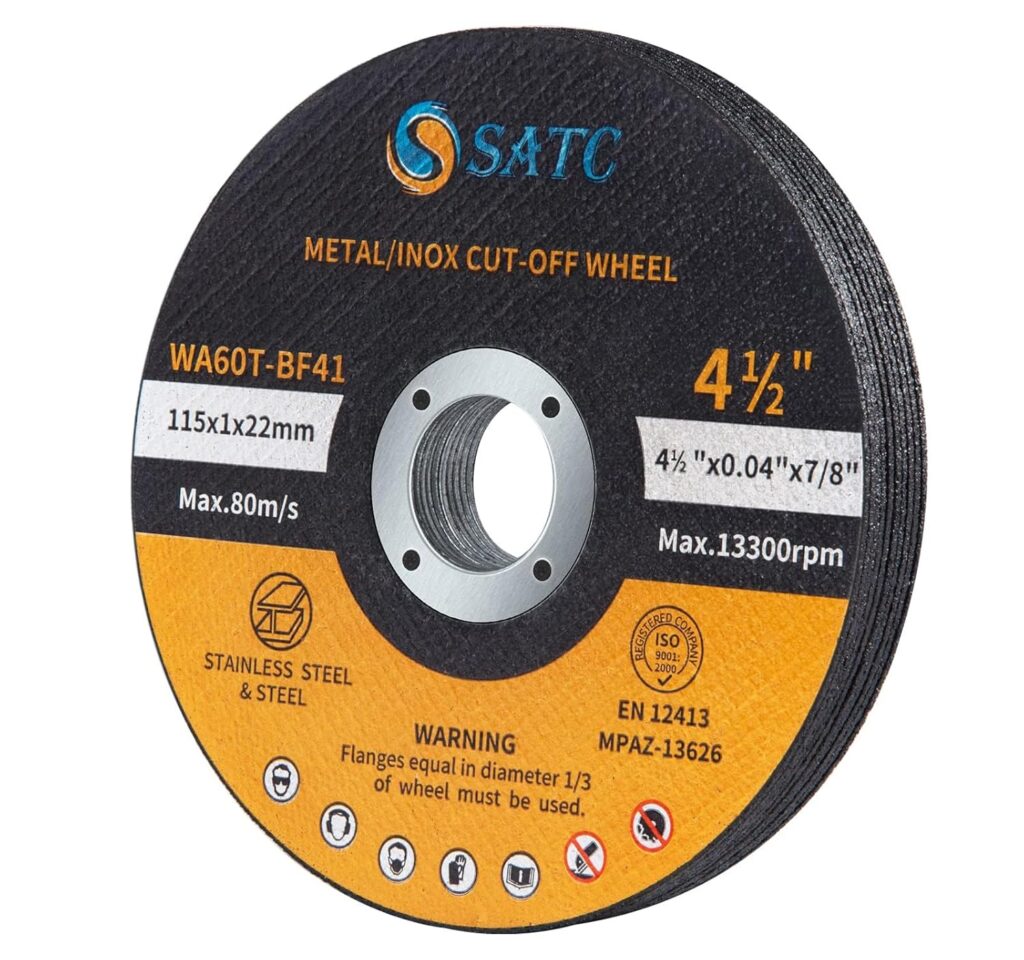
Cutting discs are the most common type used by UK DIYers.
Best for:
- Cutting steel
- Cutting bolts, screws, and rebar
- Cutting sheet metal
- Cutting angle iron and box section
Thickness
1.0–1.2mm (thin discs cut faster and cleaner)
Notes from experience:
Thin discs wear down quickly — that’s normal.
Never use a cutting disc for grinding; it’s unsafe and can cause disc failure.
⭐ 2. Grinding Discs (Thick Grinding Wheels)
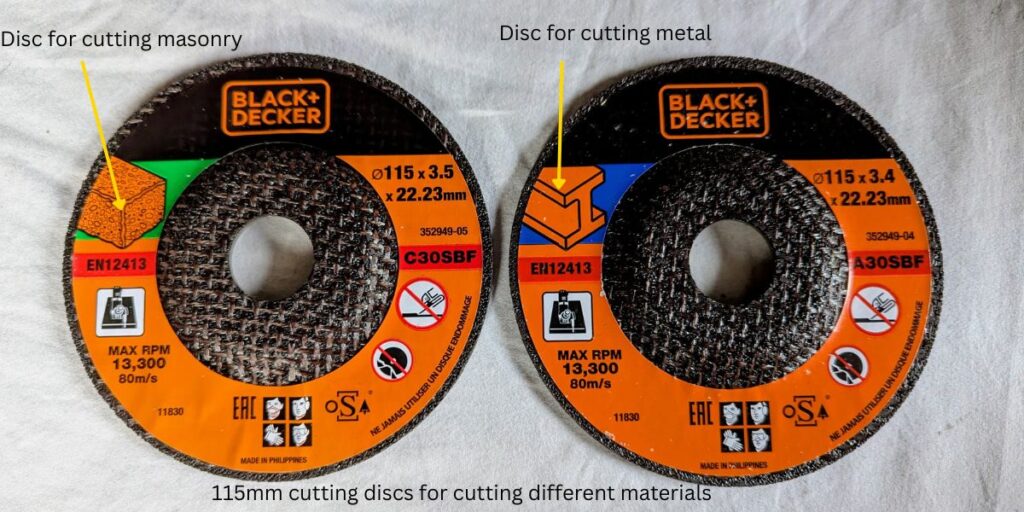
These are thicker, heavier discs designed to remove material quickly.
Best for:
- Grinding welds
- Removing heavy rust
- Shaping metal
- Beveling edges
Thickness
6mm +
Notes from experience:
Grinding discs are strong but aggressive.
Use a steady hand and let the wheel do the work.
⭐ 3. Flap Discs
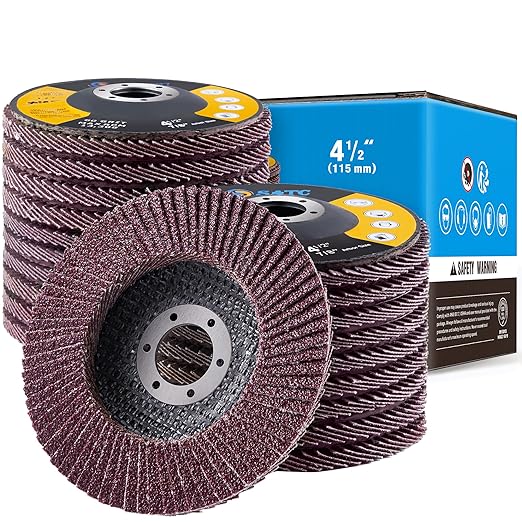
Flap discs are made from overlapping abrasive flaps. They’re one of the most versatile discs you can own.
Best for:
- Smoothing metal
- Removing paint
- Cleaning welds
- Blending edges
- Light grinding
Grit options:
- 40 grit (aggressive)
- 60 grit (general use)
- 80–120 grit (finishing)
Notes from experience:
Flap discs give a smoother finish than grinding wheels and are easier for beginners to control.
⭐ 4. Wire Wheels & Wire Cups
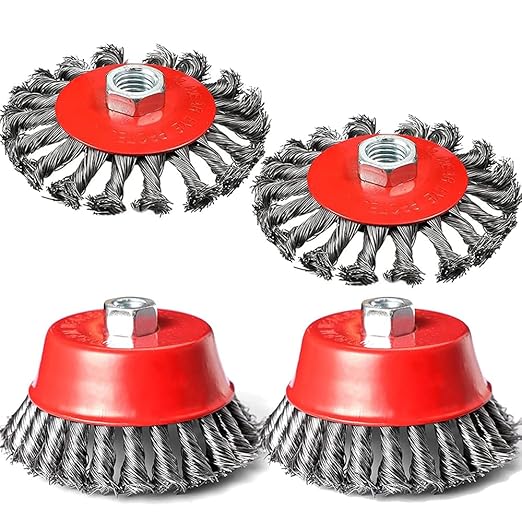
Wire wheels aren’t just for drills — angle grinders have their own heavy‑duty versions designed to run safely at high RPM. These are far more aggressive and effective than drill‑mounted brushes.
Best for:
- Removing rust
- Removing paint
- Cleaning welds
- Preparing metal for painting
- Removing scale or corrosion
Types
- Wire cup brush — best for large flat areas
- Wire wheel brush — best for edges, corners, and tight spots
Wire Types
- Crimped wire — lighter cleaning
- Twisted knot wire — heavy‑duty rust and weld cleaning
Notes from experience:
Angle grinder wire wheels shed bristles at high speed, so always wear eye protection and gloves. For full safety guidance, see my Angle Grinder Safety UK.
⭐ 5. Diamond Cutting Discs
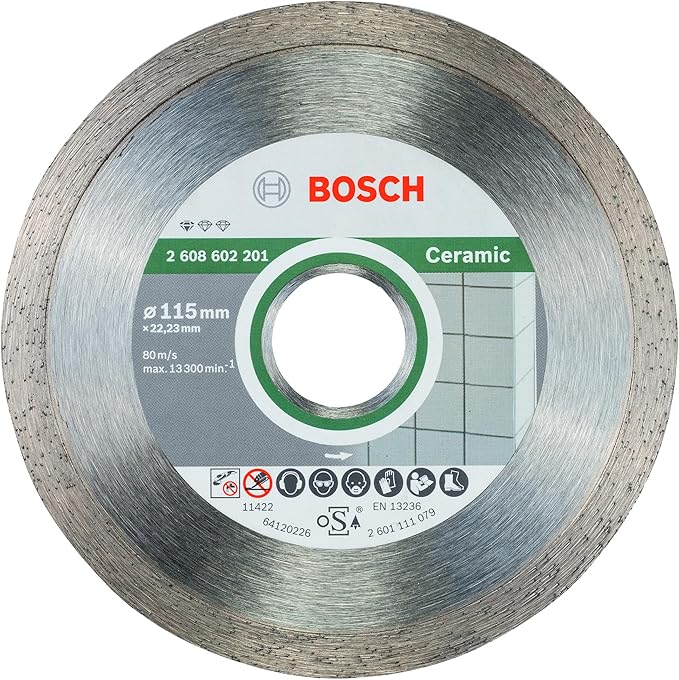
Diamond discs are designed for cutting hard materials.
Best for:
- Tiles
- Masonry
- Concrete
- Stone
- Brick
Notes from experience:
Use a segmented diamond disc for rough cuts and a continuous rim disc for clean tile cuts.
For tile work, see my upcoming guide: How to Cut Tiles with an Angle Grinder.
⭐ 6. Multi‑Material Discs
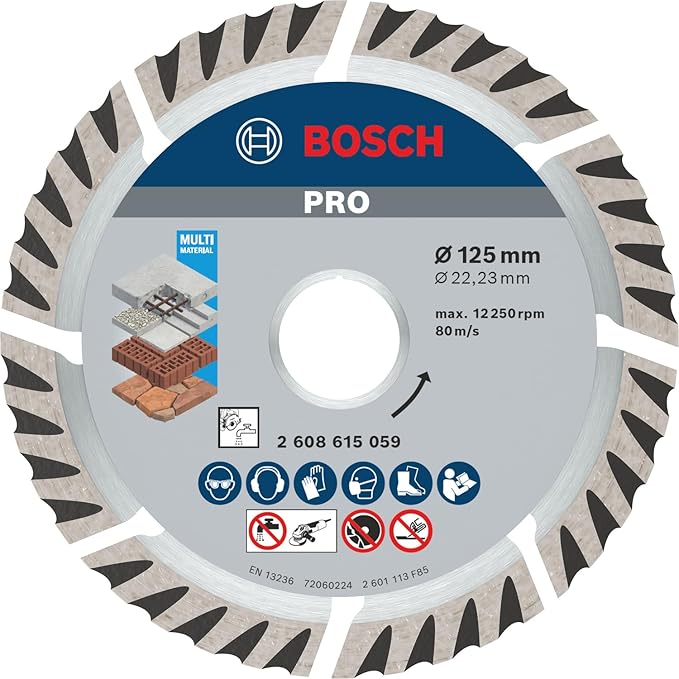
These are newer discs designed to cut through almost anything.
Best for:
- Wood with nails
- Plastic
- Thin metal
- PVC
- Composite materials
Notes from experience:
They’re convenient, but not as clean or precise as using the correct disc for each material.
⭐ 7. Sanding Pads & Backing Pads
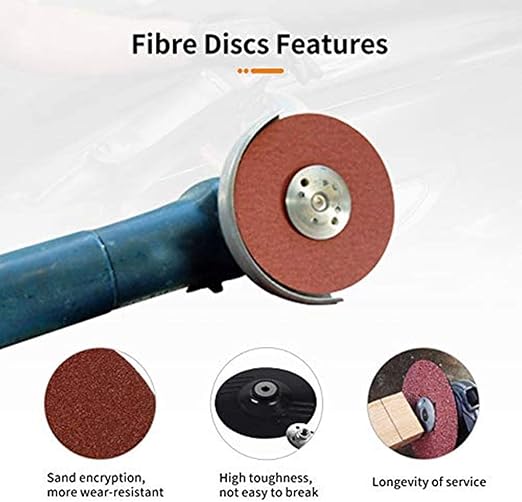
Most beginners don’t realise you can sand with an angle grinder, but with the right backing pad and sanding disc, it becomes a powerful sander.
Best for:
- Removing paint
- Smoothing wood
- Shaping filler
- Light metal finishing
- Cleaning up edges
How They Work:
You attach a rubber or plastic backing pad to the grinder, then stick on:
- Sanding discs (grit 40–120)
- Fibre sanding discs (for metal)
Grip Options:
- 40 grit — aggressive removal
- 60 grit — general shaping
- 80–120 grit — smoothing and finishing
Notes from experience:
Use with caution — angle grinders spin much faster than sanders, so they remove material quickly.
⭐ Which Disc Should You Use? (Quick Guide)
| Job | Best Disc |
| Cutting metal | Thin cutting disc |
| Grinding welds | Grinding disc |
| Smoothing metal | Flap disc |
| Removing rust | Wire wheel |
| Cutting tiles | Diamond disc |
| Cutting masonry | Diamond disc |
| Sanding wood | Sanding pad |
⭐ Common Mistakes to Avoid
- Using a cutting disc for grinding
- Using damaged or cracked discs
- Using the wrong disc for the material
- Overtightening the lock nut
- Running discs above their rated RPM
- Using wood‑cutting blades not designed for grinders (dangerous)
⭐ Recommended Tools & Guides
FAQs
Do all discs fit all grinders?
Most 115mm discs fit any 115mm grinder, but always check the bore size.
Which disc lasts the longest?
Diamond discs and flap discs generally last longer than thin cutting discs.
Can I use a metal disc on wood?
No — it’s unsafe. Use a multi‑material disc instead.
Why does my disc wobble?
It may be fitted incorrectly or the lock nut may be loose.
My Final Thoughts
Once you understand the different disc types, an angle grinder becomes one of the most versatile tools in your workshop. Choose the right disc for the job, take your time, and always prioritise safety. With the correct setup, you’ll get cleaner cuts, smoother finishes, and far better results.