
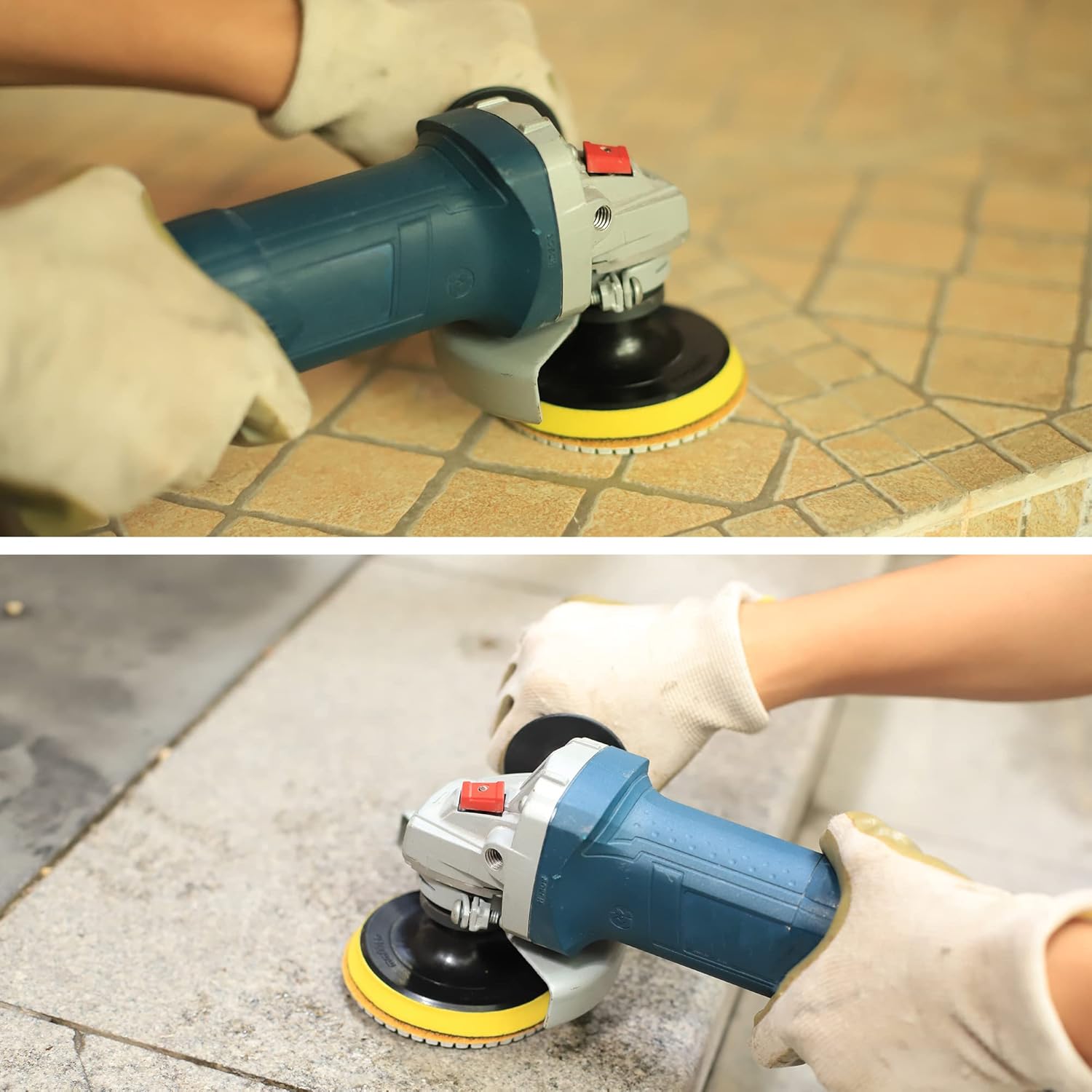
Polishing metal with an angle grinder is a fast and effective way to restore shine, remove scratches, and bring dull metal back to life. Whether you’re cleaning up steel, polishing aluminium, or restoring old tools, an angle grinder can give you a smooth, mirror‑like finish with the right attachments.
I’ve been doing this for years in my workshop here in Northern Ireland, and in this guide I’ll show you the safest, simplest way to polish metal — even if you’re a complete beginner.
Before you start, I recommend reading my Angle Grinder Safety UK guide. Polishing produces dust, heat, and debris, so proper PPE is essential.
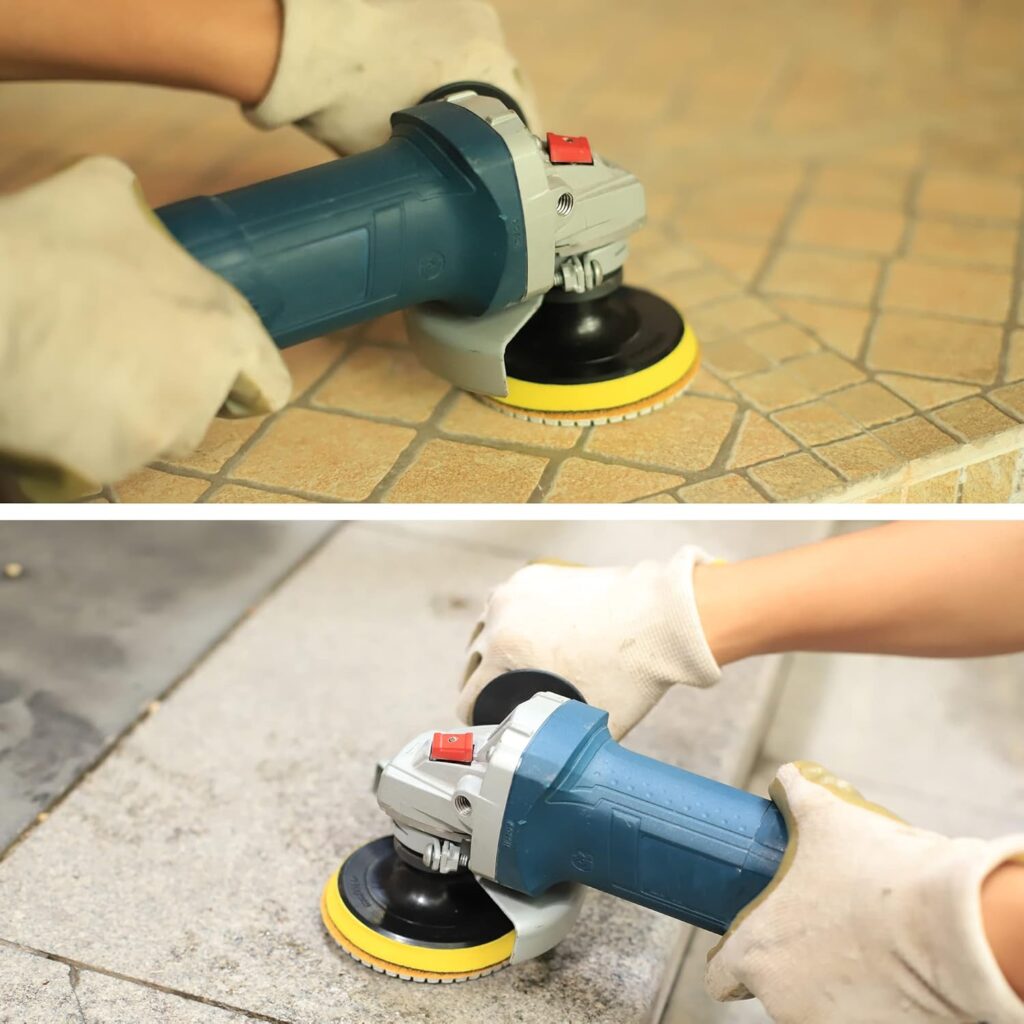
What You Can Polish with an Angle Grinder
Angle grinders are ideal for polishing:
- Steel
- Stainless steel
- Aluminium
- Brass
- Copper
- Chrome (light polishing only)
They are not ideal for:
- Thin sheet metal (easy to overheat)
- Delicate finishes
- Painted surfaces (unless stripping first)
What You’ll Need
- Angle grinder (115mm is perfect)
- Flap disc (80–120 grit)
- Fibre sanding disc (optional for deeper scratches)
- Polishing pad / buffing wheel
- Polishing compound (metal polish or cutting compound)
- Safety glasses
- Gloves
- Dust mask
If you’re unsure about disc types, see my Angle Grinder Disc Types Explained.
Safety First
Polishing throws off:
- fine metal dust
- abrasive particles
- heat from friction
Always wear:
- eye protection
- gloves
- a dust mask
Work in a well‑ventilated area.
Step‑by‑Step: How to Polish Metal with an Angle Grinder
Step 1: Remove Rust or Paint (If Needed)
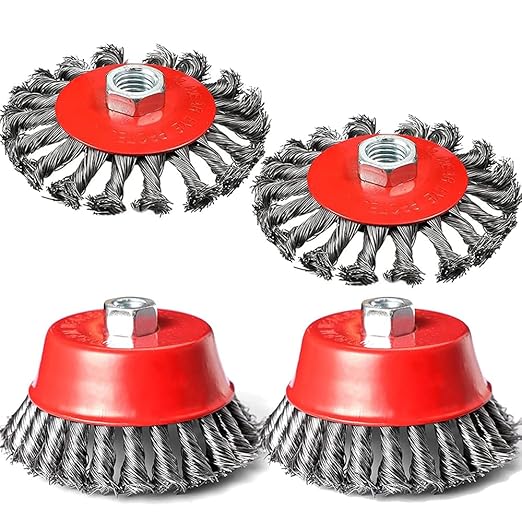
If the metal is rusty or painted:
- use a wire wheel for rust
- use a flap disc for paint or heavy marks
You need a clean surface before polishing.
Step 2: Smooth the Surface with a Flap Disc
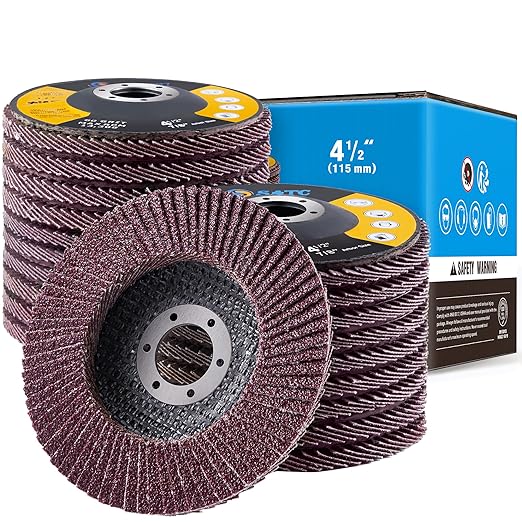
Start with:
- 80 grit for rough surfaces
- 120 grit for light scratches
Use light pressure and keep the grinder moving to avoid gouges.
Your goal is a smooth, even surface.
Step 3: Switch to a Polishing Pad
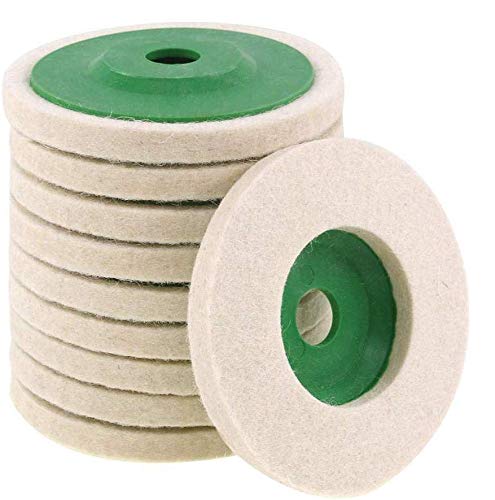
Attach a buffing wheel or polishing pad to the grinder.
These are usually:
- felt pads
- wool pads
- sponge polishing wheels
They’re designed to bring the shine out.
Step 4: Apply Polishing Compound
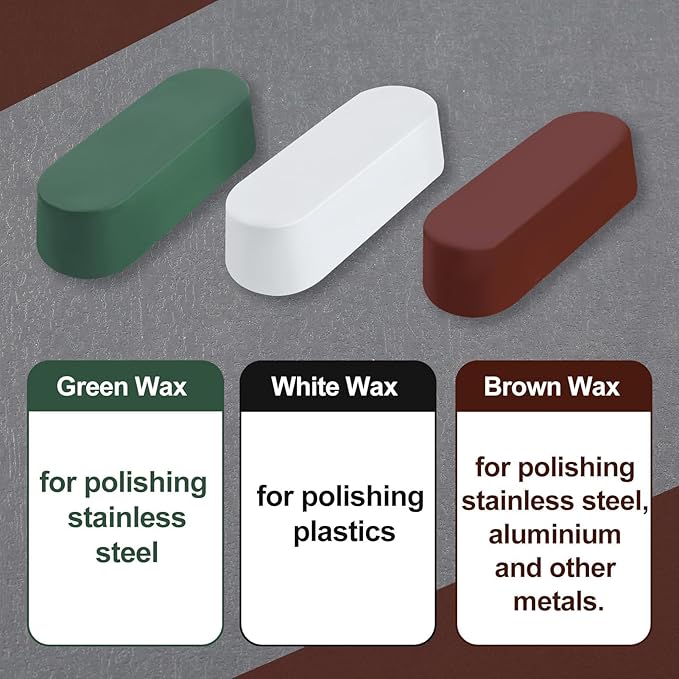
Use a metal polishing compound such as:
- aluminium polish
- stainless steel polish
- cutting compound
Apply a small amount to the pad or directly onto the metal.
Step 5: Polish in Slow, Controlled Passes
Hold the grinder at a shallow angle.
Use smooth, overlapping passes.
Let the compound and pad do the work — don’t press too hard.
You’ll see the shine appear gradually.
Step 6: Wipe and Inspect
Stop and wipe the metal with a clean cloth.
Check for:
- swirl marks
- dull patches
- scratches
If needed, repeat the polishing step.
Step 7: Finish with a Fine Polish
For a mirror finish:
- switch to a soft finishing pad
- use a fine metal polish
- make slow, light passes
This gives you a deep, reflective shine.
Polishing Different Metals
Steel
Easy to polish — flap discs and polishing pads work well.
Stainless Steel
Use lighter pressure to avoid heat marks.
Aluminium
Soft metal — use finer grits and avoid overheating.
Brass & Copper
Polish beautifully — use a soft pad and fine compound.
Common Mistakes to Avoid
- Pressing too hard
- Staying in one spot (causes heat marks)
- Using a grinding disc (too aggressive)
- Skipping the smoothing stage
- Using the wrong compound
- Overheating aluminium
Recommended Tools & Guides
FAQs
Can an angle grinder polish metal to a mirror finish?
Yes — with the right pads and compound.
Why is my metal turning blue?
It’s overheating. Use lighter pressure and keep the grinder moving.
Can I polish chrome?
Yes, but only lightly — chrome is thin and easy to damage.
Which disc is best for beginners?
A 120‑grit flap disc followed by a felt polishing pad.
My Final Thoughts
Polishing metal with an angle grinder is fast, effective, and ideal for restoring shine to steel, aluminium, and other metals. With the right discs, a good polishing compound, and a steady hand, you can achieve a smooth, professional finish. Take your time, avoid overheating, and let the tool do the work.