
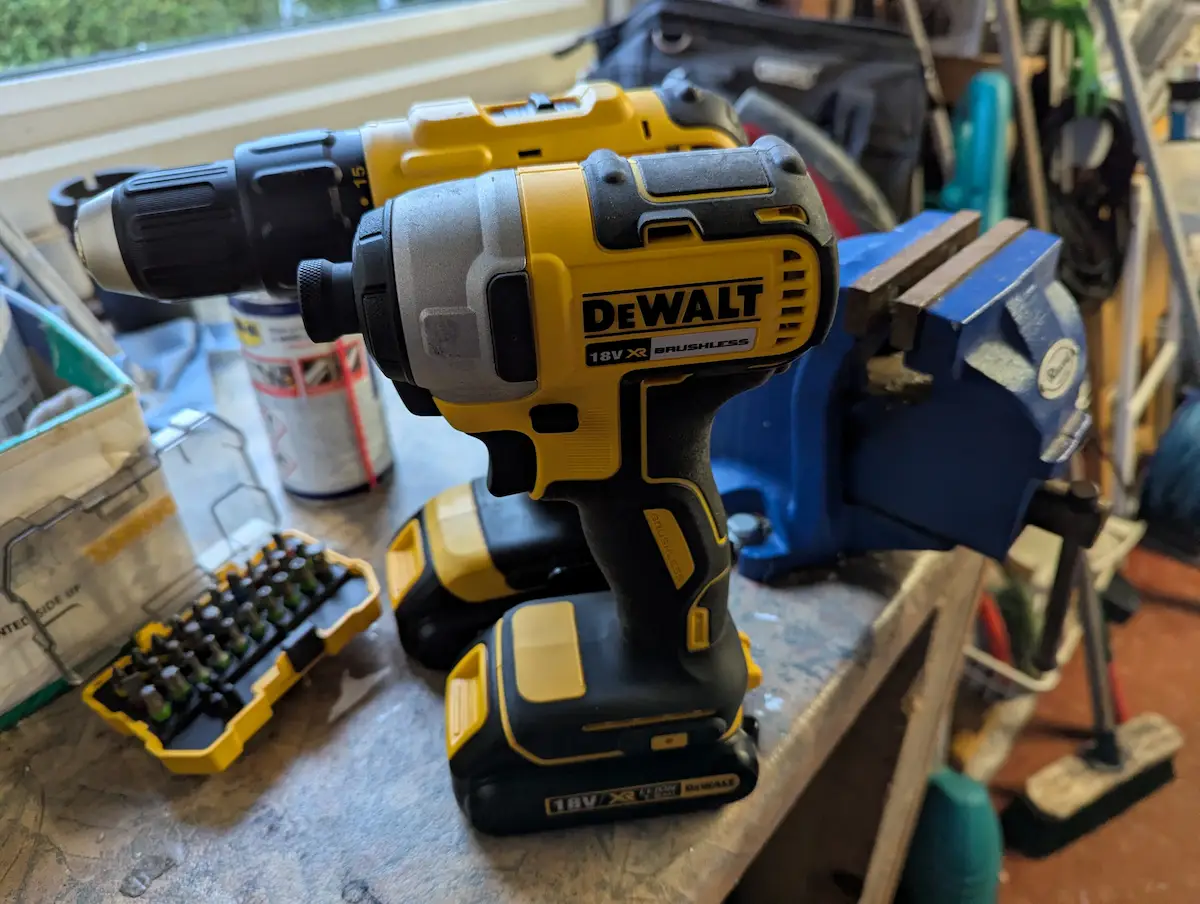
I’ve spent over 50 years working with tools, and if there is one thing I’ve learned, it’s that your first purchase is the most important. You aren’t just buying a drill; you are choosing a “system.” In my home and garage, that system has been DeWalt 18V XR for a very long time. Most of the big tool brands have a system, however, DeWalt has never disappointed me.
If you are a beginner looking to build a very high quality tool collection without wasting money on the wrong gear, this is the blueprint I recommend.
1. Why the 18V XR System?
DeWalt’s 18V XR range is referred to as a “platform.” That simply means that once you have the batteries and a charger, you can buy “Bare Units” (tools without batteries) which are significantly cheaper. With over 250 tools in the range, you’ll never find a job you can’t tackle. Their tools are well known, durable and reliable.
Enda’s Tip: Don’t get distracted by the “12V” tools for your main DIY. They are great for kitchen fitters, but for general DIY and garden projects, you want the 18V “grunt.”
2. The “Essential Duo”: Your First Two Tools
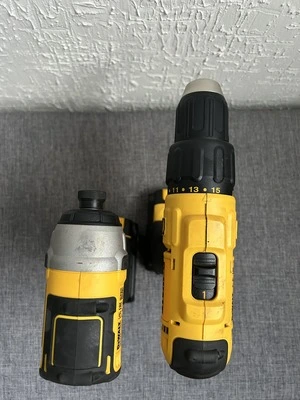
If you are starting from scratch, there are two tools that do 90% of the work in any home. In my opinion, that is where you should spend you hard earned money.
The All-Rounder: The DCD776 Combi Drill
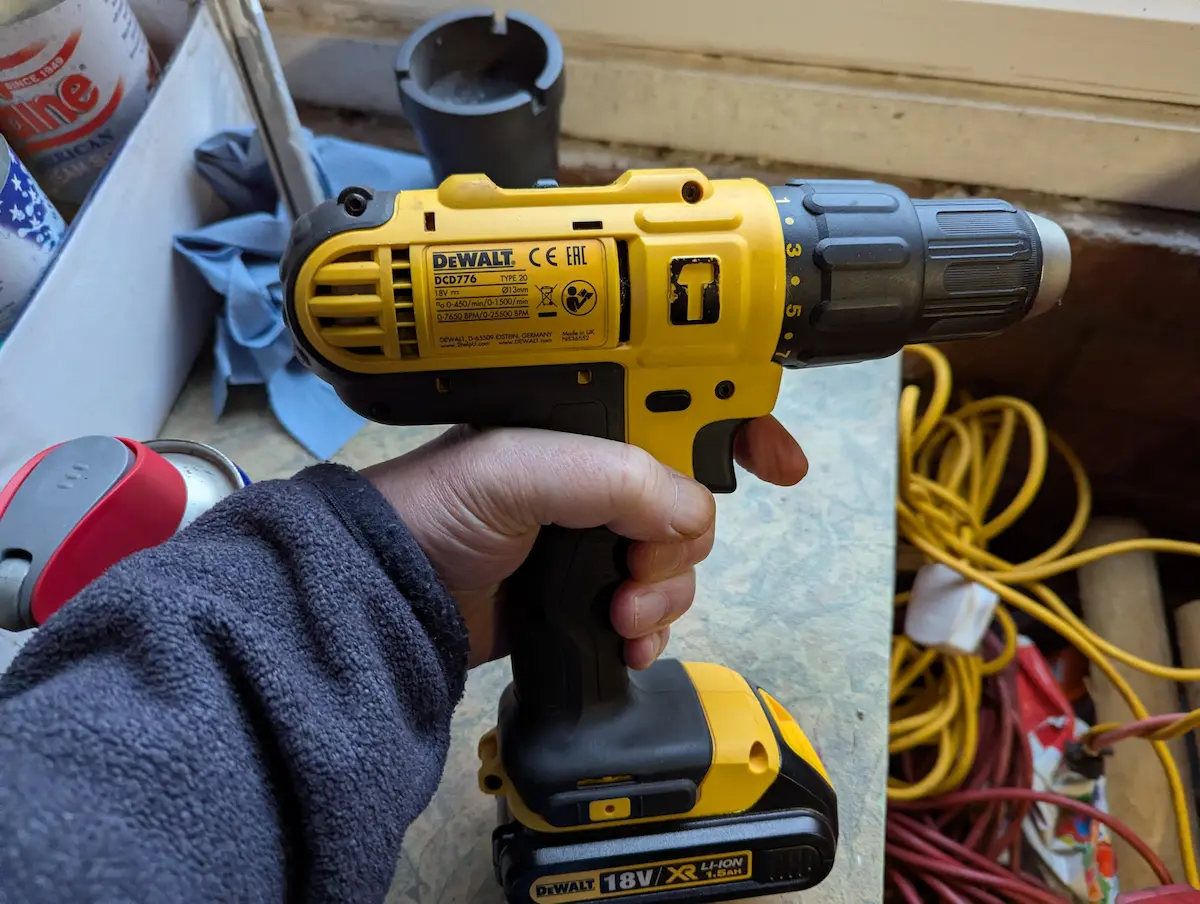
This is the “bread and butter” of your workshop. It drills holes in wood, metal, and thanks to the hammer action, it also drills masonry.
- Why it’s in the kit: It’s versatile. Whether you’re hanging a picture or building a workbench, this is the first tool you’ll reach for. I am certain you will use this one power tool more than any other.
- Read More: My Deep-Dive Workshop Notes on the DCD776 Combi Drill
The Muscle: The DCF787N Impact Driver
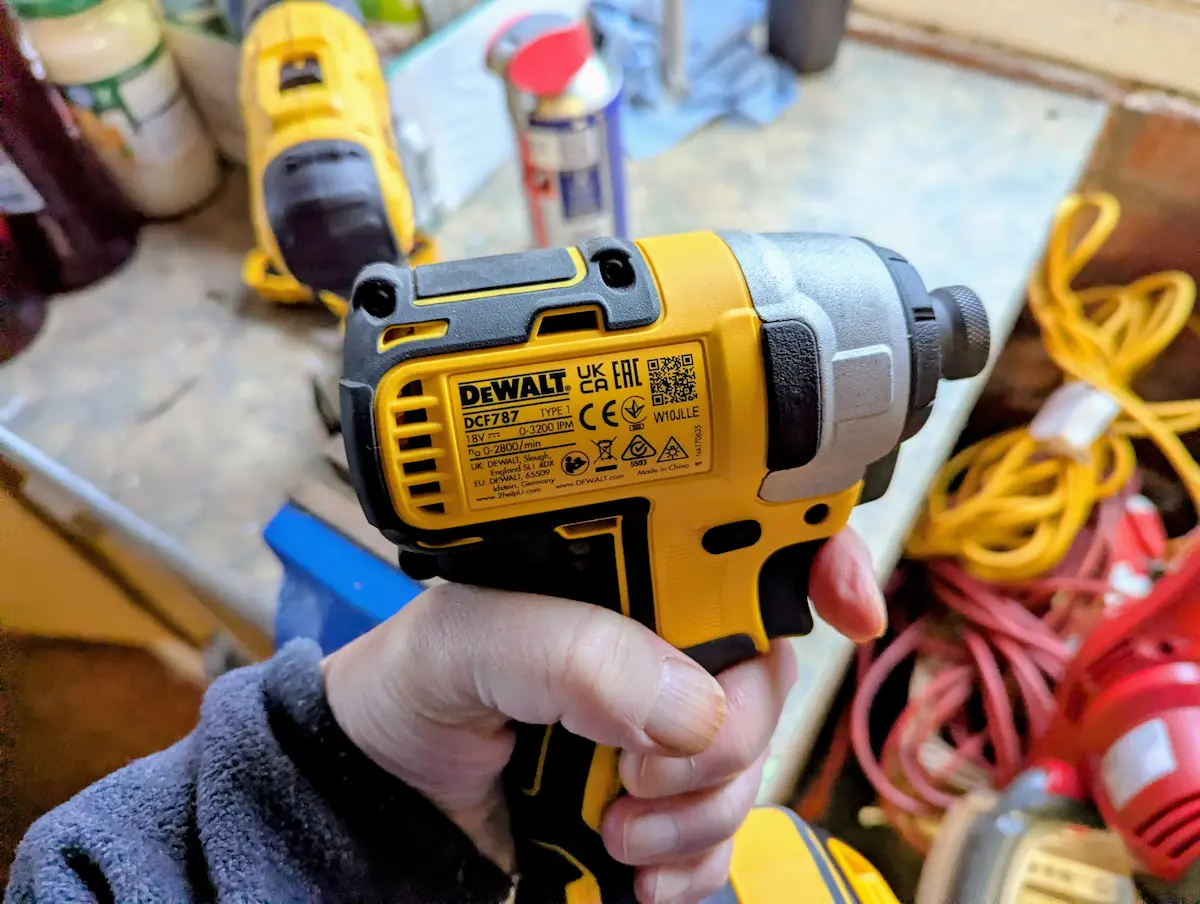
Many beginners think a second drill is a waste of money. That is until they try an Impact Driver. Unlike a standard drill, this tool uses a rapid “hammer and anvil” strike to drive long screws into tough timber without stripping the heads. I view this is my “making hard work easy tool.”
- Why it’s in the kit: It saves your wrists and your screws. It’s the only way to build a deck or a fence properly.
- Read More: Why You Need an Impact Driver: My DCF787N Review
You can also compare the differences between the DCD776 and the DCF787N by reading this article.
3. The Fuel: Understanding Batteries (Ah)
The biggest mistake beginners make is buying the cheapest battery available. Batteries are measured in Amp-hours (Ah), which you should think of this as the size of your fuel tank.
- 2.0Ah: Light and great for overhead work, but runs out fast.
- 4.0Ah / 5.0Ah: The “Sweet Spot.” These give you the best balance of power and runtime.
- Read More:DeWalt Battery Decoder: Which Size is Best for You?
4. Buying Guide: Twin Pack vs. Piece-by-Piece
In 2026, you have two main ways to start:
The “Twin Pack” (e.g., DCK2060)
This typically costs around £180–£220 in the UK. It comes with both tools, two small batteries (usually 2.0Ah), and a charger in a hard case.
- Pros: Everything you need in one box. Usually cheaper than buying separately.
- Cons: The batteries are often small.
The “Custom Build” (Bare Units)
Buying the “Body Only” tools and choosing your own 5.0Ah batteries and a fast charger.
Enda’s Verdict: If you can find a Twin Pack on sale, grab it. But if you plan on doing heavy work (like building a shed, a deck or fencing), buy the tools separately so you can get the 5.0Ah batteries from the start.
“I’ve looked at the shops for you, and here is the best value today.”
The “Twin Pack” (e.g., DCK2060)
- Price: Typically £170–£200 in the UK.
- Includes: Combi Drill, Impact Driver, 2x 2.0Ah batteries, and a charger.
- Pros: Unbeatable value to get started.
- Cons: 2.0Ah batteries are “fuel-efficient” but won’t last long on heavy jobs.
Enda Note:The kit I saw at Screwfix comes with the DCD778. It’s the brushless brother of the DCD776 I’ve mentioned elsewhere. It’s slightly more efficient, but the advice stays the same and it’s a cracking starter drill.”
Always keep an eye on Black Friday, Summer Season and Father Day sales as you usually get the best prices there.
5. What Should You Buy Third?
Once you have your drill and impact driver, the next “Essential” is usually an Oscillating Multi-Tool (DCS355). It’s the “problem solver” for cutting copper pipes, sanding tight corners, or trimming skirting boards and around doors when flooring.
My Advice: There is also a newer model called the DCS356 which has a 3-speed switch on the base. While the 355 is great, if they see the 356 for a similar price, the “speed switch” makes it much easier to control when you are doing delicate jobs like trimming skirting boards.My Workshop Checklist for Beginners
- Safety First: Always have a good pair of safety glasses and ear defenders (Impact drivers are loud!).
- Register Your Tools: DeWalt offers a 3-year warranty if you register your tools online within 4 weeks. Don’t miss out on that.
- Store Them Right: Keep your batteries out of the damp. A simple TSTAK box keeps everything together.
Expert Tip: I always keep a photo of my receipt on my phone. DeWalt’s online registration is straightforward, but you’ll need that serial number and the date of purchase. It’s 10 minutes of work for 3 years of peace of mind.
Ready to start your collection? Start with my guide on how to choose the right DeWalt battery so you don’t get caught with an empty tank mid-job!
Still Not Sure Which Kit to Pick?
Buying your first set of power tools is a big investment, and the deals change every week. If you’ve seen a DeWalt kit online and aren’t sure if it’s the right one for your workshop, drop a comment below. I check these notes regularly and I’m happy to give you my honest opinion on whether it’s a bargain or a “value trap.”
If you found this guide helpful, I send out a monthly PDF checklist and more workshop tips via my Substack. [You can join here for free] and get my 10-point Maintenance Guide instantly.