
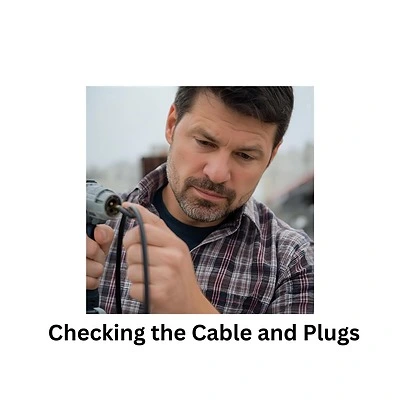
DIY workshops, garages and sheds are places where DIYers can spend quite a bit of time. It is worth knowing that any area where DIY is happening is also full of electrical risks. These can range from overloading sockets to neglected PAT testing, and simple small mistakes can lead to big hazards.
This guide highlights the top 10 electrical safety mistakes DIYers make, explains the most common electrical hazards in UK workshops, and shows how to avoid them with simple, practical tips.
1. Overloaded Extension Leads
Some workshops, garages and sheds may have limited sockets. To work around this, people tend to rely on extension leads with multiple sockets.
While that is effective, it is all too easy to plug too many tools into one extension lead and that can result in overheating and fire. Always check the maximum load rating and spread devices across multiple outlets.
2. Damaged Cables and Plugs
Many DIYers in the UK, now use cordless tools. That said many corded power tools are still used. Likewise so are kettles, battery chargers, etc.
On those typical safety mistakes are frayed cords, cracked plugs, or taped up wires are common sights in DIY spaces. These are serious hazards, so It is vitally important to replace damaged cables immediately rather than patching them.
3. Using Outdoor Tools Indoors (and Vice Versa)
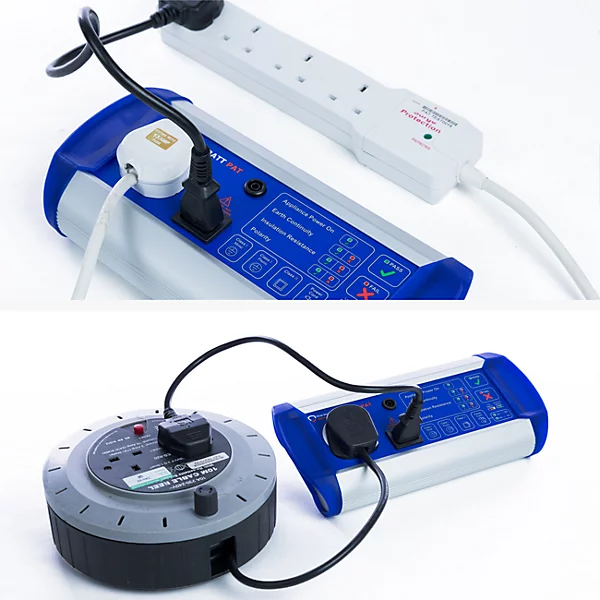
Garden tools are not designed for indoor use, and indoor extension leads are not safe outdoors. In fact using an indoor extension lead to plug in lawnmowers, hedge trimmers etc. is a common mistake.
It is always important to match the tool and cable to the environment to avoid shocks and moisture damage. You can read more on testing extension leads.
4. Poor Lighting Around Electrical Work
One very common mistake is working in dim conditions. That greatly increases the chance of mistakes, like cutting into live wires or misconnecting plugs. Poor lighting in garages, sheds and workshops is not always thought about due to lack of thought or knowledge and sometimes cost.
Adequate lighting is a simple but vital safety measure to address and does not need to cost a lot of money.
5. Ignoring Dust and Moisture Risks
Workshop areas are often used for sawing, sanding and painting. That of course will mean lots of sawdust, paint fumes, and damp conditions. These conditions can all increase electrical hazards.
The key steps to address this is to keep your workspace clean and dry, and avoid using tools near water sources.
Mistakes DIYers Make with PAT Testing
PAT testing for DIYers is mainly the visual inspection of any tool or appliance that has an electrical cord. If you would like to read more detail on the extent of PAT testing for DIYers, then you can click here.
Just below we have included the top 5 mistakes DIYers make regarding PAT testing.
6. Skipping PAT Testing Altogether
Many DIYers assume PAT testing is only for businesses. You should know that PAT testing is not legally required for home use. You don’t need to rush out and buy a PAT tester, but doing some very simple visual inspection does help keep your tools safe, and making work with them a great deal safer.
Testing tools regularly is a smart way to catch faults early.
7. Misreading PAT Test Labels

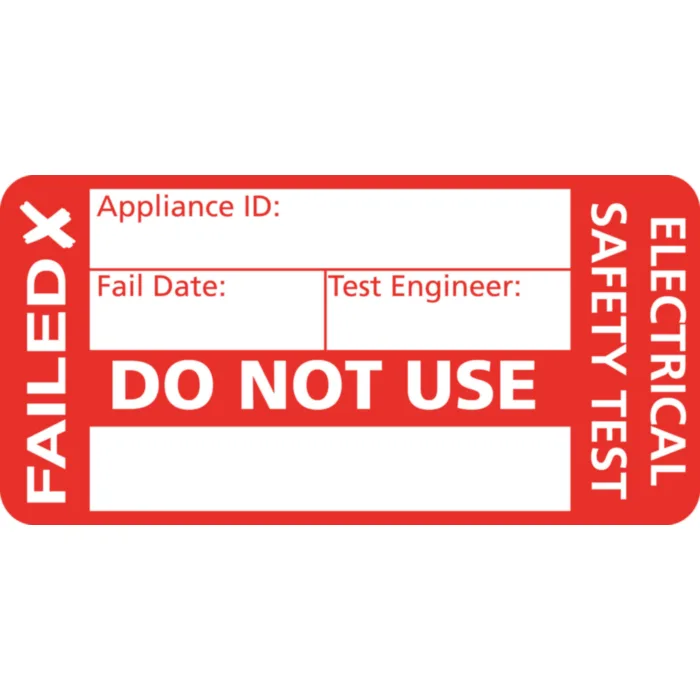
For most home use, most DIYers will never see a PAT test label. If however you buy second hand tools, these may be on them. A green sticker means safe, red means fail, and yellow/orange means retest soon.
Misinterpreting these labels can lead to unsafe tools being used.
8. Testing but Not Recording Results
When businesses and those working in the trades they have to comply with safety regulations in the UK PAT testing is the best method used to ensure that compliance. When that takes place a log has to be created, kept and maintained for each testing period.
Doing PAT tests without keeping a log defeats the purpose. Record dates, results, and next test due to maintain a clear safety history for each tool.
9. DIY Testing Without Proper Equipment
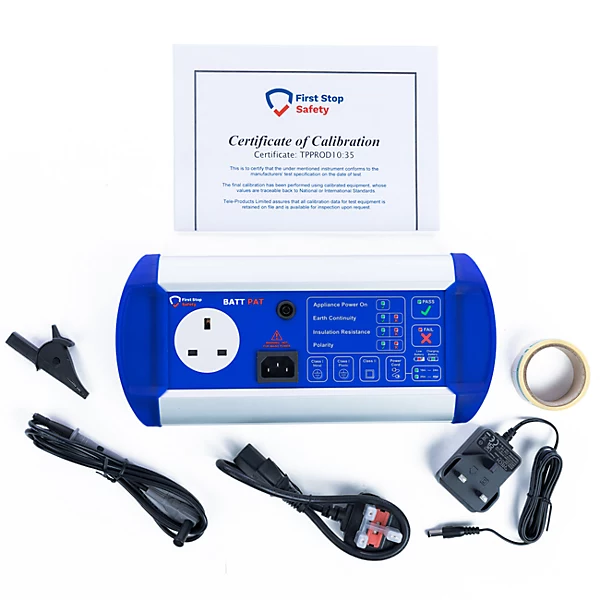
Some DIYers attempt PAT testing with basic multi meters or guesswork. You can make some visual checks which is useful of course, but that is not sufficient for full compliance.
Proper PAT testers are required to check insulation, earth continuity, and leakage current accurately.
10. Ignoring Fail Labels
Perhaps the most dangerous mistake with labels is continuing to use a tool marked as failed.
A red label means stop immediately until the tool is repaired or replaced.
DIY Electrical Safety Tips
- Spread tool usage across multiple sockets to avoid overload.
- Replace damaged cables and plugs as you should never tape them up or patch them up.
- Use outdoor rated extension leads for garden tools. Also look for those leads that have RCD protection built in.
- Keep your workspace clean, dry, and well‑lit.
- Learn to read PAT labels correctly and act on them, especially on second hand tools bought online or at markets or car boot sales.
- If you do PAT testing always maintain a simple logbook of test dates and results.
- Invest in proper PAT testing equipment or hire a competent tester.
- Remove failed tools from service immediately.
Frequently Asked Questions
Q1: Are DIYers legally required to PAT test tools in the UK?
No, but it’s strongly recommended for safety, especially if tools are shared or used in community spaces.
Q2: What’s the biggest electrical hazard in a home workshop?
Overloaded extension leads and damaged cables are the most common causes of fires and shocks.
Q3: How often should DIYers test their tools?
There’s no fixed rule, but annual testing is a good benchmark for frequently used tools.
Q4: Can I do PAT testing myself?
Yes, if you have the right equipment and training. Otherwise, hire a competent person.
Conclusion
Electrical safety in DIY workshops comes down to awareness and routine checks. By avoiding these top 10 electrical safety mistakes, you reduce risks, protect your tools, and keep your projects safe.
For a deeper dive into PAT testing and tool safety, see the UK PAT Testing Guide for DIYers.