
Tiling is one of the most visible elements of a renovation, and mistakes here are obvious and costly to fix. While it’s achievable for a keen DIYer, the devil is in the preparation and sequencing.
We’ve compiled the 10 most common mistakes novices make in bathroom tiling and have also provided actionable steps to ensure you get a professional, watertight finish.
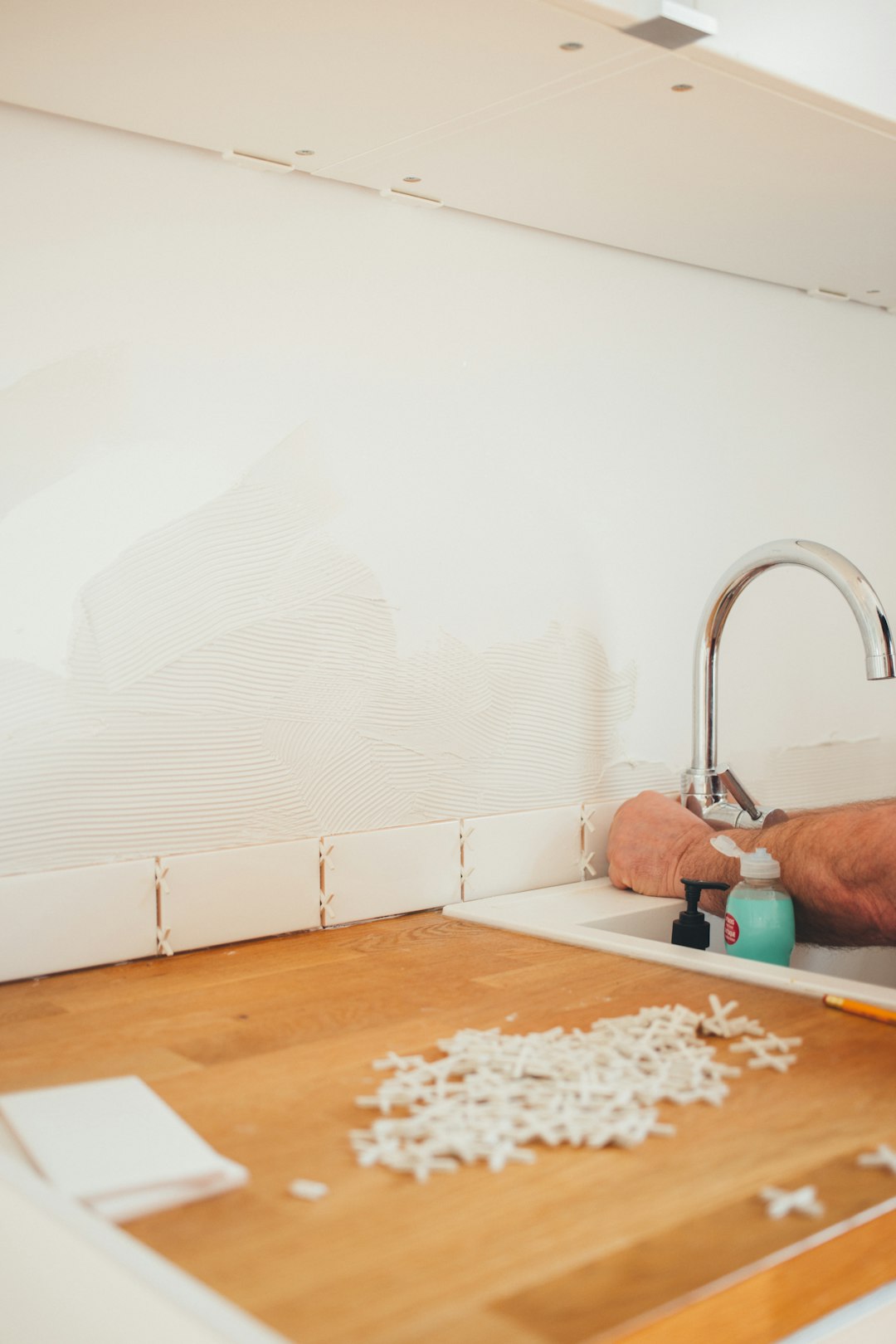
The Top 10 Tiling Traps and How to Avoid Them
Mistake 1: Skipping Surface Preparation
- The Error: Tiling over old adhesive, flaky paint, or an uneven surface. Tile adhesive is not a levelling compound, and a poor substrate guarantees failure.
- The Fix: The substrate must be clean, dry, sound, and flat. Use a long level or straight edge. If the wall or floor variation is more than 3mm over a 1 metre length, use a levelling compound or thin plywood layer (for floors) or remove excess material (for walls) before applying any tile backer board.
Mistake 2: Failing to Waterproof (The Biggest Risk)
- The Error: Relying on grout and tile to stop water ingress, especially in shower enclosures or wet rooms. Grout is water-resistant, not waterproof. Water will eventually penetrate and destroy the substrate (plasterboard/plywood).
- The Fix: Always apply a flexible liquid waterproofing membrane (a tanking kit) to the walls and floor in the wet zone (shower area) before tiling. Apply tape or sealant to all internal corners and joins, then paint the membrane over the entire area according to the manufacturer’s instructions.
Mistake 3: Starting Tiling in the Wrong Place
- The Error: Starting in a corner or at the bottom edge and ending up with tiny, unsightly cuts (slivers) in the most visible locations.
- The Fix: Dry lay your tiles. Find the visual centre of the wall and start your layout there, or identify the most visible wall (e.g., above the vanity or behind the toilet). Ensure that any cut tiles along the edges are at least half a tile wide to maintain symmetry. Your layout should be planned so the main cuts occur in the least noticeable areas.
Mistake 4: Not Using the Correct Adhesive
- The Error: Using standard cement-based adhesive in a wet zone, or using a non-flexible adhesive over a wood substrate.
- The Fix: For bathrooms, always use flexible, waterproof tile adhesive. For large format tiles (over 30cm in size), use a large-format adhesive that prevents ‘slumping’ and ensures full contact. For wooden floors (even with backer board), a highly flexible (S1 or S2 rated) adhesive is mandatory to accommodate movement on the floor.
Mistake 5: Using Too Much Water in the Adhesive
- The Error: Mixing the adhesive too loose. This makes the tiles slide (slump) down the wall and reduces the strength of the bond.
- The Fix: Follow the instructions precisely. The consistency should be like thick peanut butter or smooth oatmeal. It should be firm enough to hold its shape when a trowel is pulled through it, creating strong ridges that won’t immediately collapse.
Buying ready mixed buckets is more expensive, but eliminates this problem.
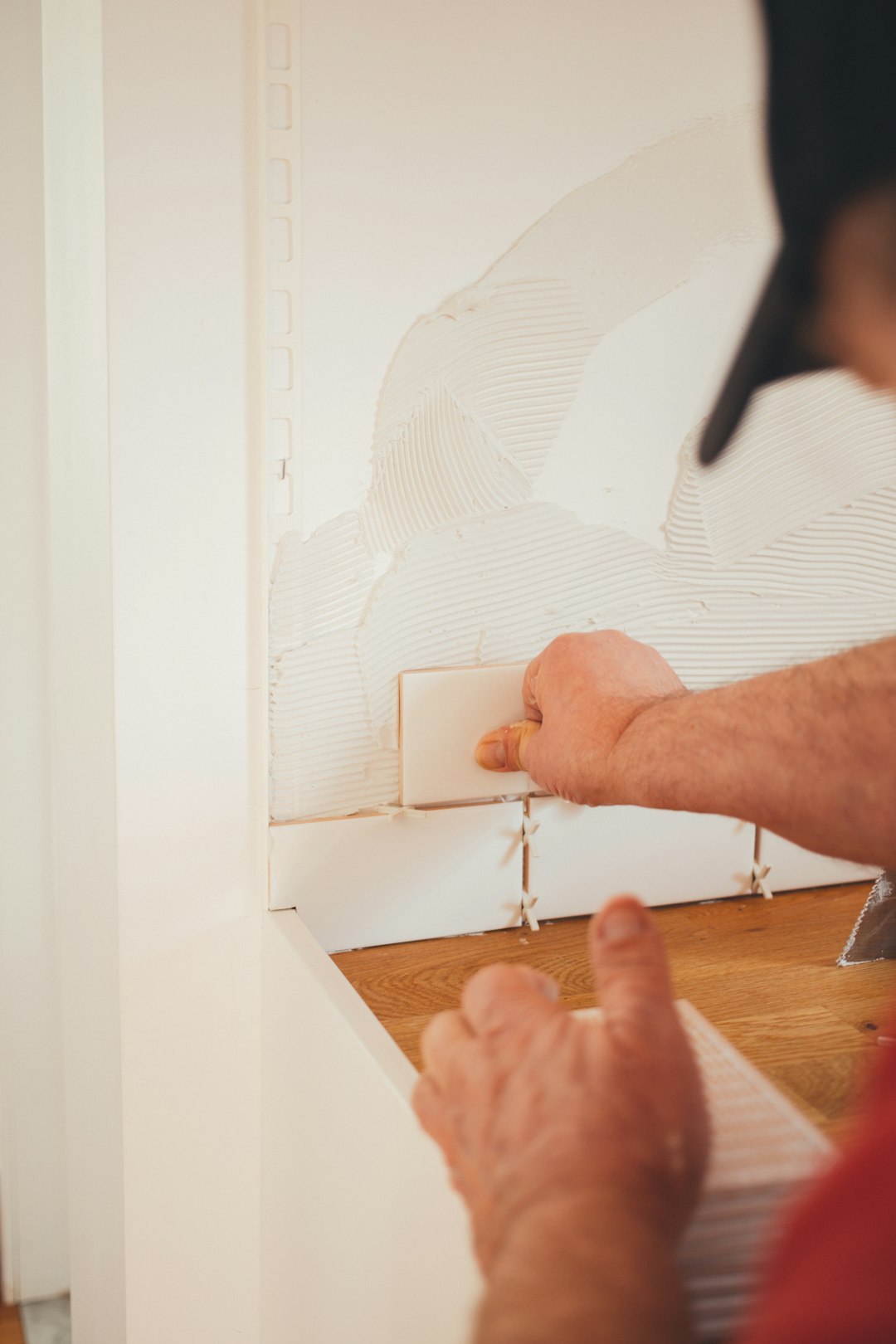
Mistake 6: Applying Adhesive in Dots and Dabs
- The Error: Applying small mounds of adhesive to the back of the tile, leaving large air gaps beneath the tile (dots and dabs). This weakens the tile, making it liable to crack under foot traffic or when a shower screen is screwed into it.
- The Fix: Use a correctly sized notched trowel and apply the adhesive to the substrate, not the tile. Spread the adhesive fully, and then ‘back butter’ the back of the tile lightly as well. This guarantees 95% coverage with no voids.
Mistake 7: Ignoring Tile Spacers
- The Error: Guessing the gap size or reusing old, dirty spacers.
- The Fix: Use consistent, clean, high-quality spacers. The gap size should be appropriate for the tile size (smaller tiles can use smaller gaps). Remove all spacers before the adhesive fully cures, as they are impossible to remove later and will ruin your grout lines.
Mistake 8: Grouting Too Soon
- The Error: Applying grout before the adhesive is fully cured. The moisture from the grout can prevent the adhesive from setting properly, compromising the bond.
- The Fix: Wait the full cure time specified by the adhesive manufacturer. This is usually 24 to 48 hours depending on ambient temperature and tile size. The area should be completely dry before starting to grout.
Mistake 9: Using the Wrong Sealant in Corners
- The Error: Grouting the internal corners (where two walls meet, or the wall meets the floor). These areas move slightly, and grout will always crack here.
- The Fix: All changes in plane (internal corners) and around sanitaryware (bath, basin, shower tray) must be sealed with flexible silicone sealant, not grout. Cut the silicone nozzle at a 45 degree angle and smooth the bead with a specific sealant smoothing tool or a wet finger for a watertight, flexible joint.
Mistake 10: Not Cleaning Up as You Go
- The Error: Letting residual adhesive dry on the surface of the tiles.
- The Fix: Wipe away any excess adhesive that squeezes out of the joints immediately with a damp sponge. Once cured, adhesive is incredibly difficult to remove and can ruin the look of your final grout job.
Summary
Tiling a bathroom is a rewarding job that dramatically increases the value and appeal of your home, but it requires patience and a strict adherence to preparation and waterproofing standards.
By avoiding these 10 common mistakes, especially those related to substrate, adhesive coverage, and waterproofing, you ensure your bathroom not only looks perfect but stays watertight for decades.
This skill is one of many that can define the success of a major project. For more comprehensive guides covering all aspects of your property upgrade, head back to our central resource: the DIY Home Renovation Essentials guide.