
Many tradesmen incorrectly believe that PAT testing is a legal requirement in itself. This is technically false, but functionally and in real business true. There is no single UK law that explicitly demands a PAT sticker on your tool every year.
However, the legal framework creates a mandatory duty of care that. In practice, that requires regular inspection and maintenance, which PAT testing is the established and accepted way to prove.
The key legal instruments governing portable electrical appliance safety in the workplace (including construction sites, workshops, and customer properties) are:
- The Health and Safety at Work etc. Act 1974 (HSWA)
- The Provision and Use of Work Equipment Regulations 1998 (PUWER)
- The Electricity at Work Regulations 1989 (EAWR)
So although PAT testing is not of itself a legal requirement, it is the only means of meeting the requirements of the Acts and Regulations named above.
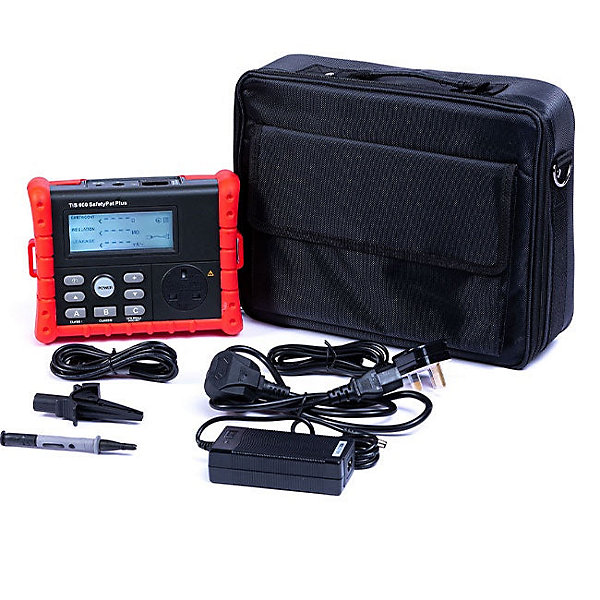
The Legal Duty: What You Must Prove
The EAWR requires all electrical equipment that has the potential to cause injury has to be maintained in a safe condition. PAT testing is the easiest way to document and demonstrate this compliance.
If an incident occurs (e.g., a customer or colleague suffers an electric shock), your lack of a maintenance record (i.e., skipping PAT testing) immediately puts you in breach of the EAWR and PUWER regulations.
Penalties for Non-Compliance
The financial and legal risks of skipping electrical safety checks far outweigh the small cost of the testing itself.
1. Voiding Insurance and Liability
This is often the most immediate and severe financial consequence. Most site managers, main contractors, and insurance providers will ask for proof of current PAT certification before you are allowed to start work.
- Voided Public Liability: If a faulty tool causes damage or injury to a third party (e.g., a customer’s property), your public liability insurance may be voided if you cannot produce a current maintenance certificate. You would then be financially responsible for all damages, medical costs, and legal fees.
- Voided Employers’ Liability: If an employee is injured by a faulty tool, and you have no safety record, you are immediately liable under the HSWA.
2. Prohibition Notices and Fines
The Health and Safety Executive (HSE) regularly inspects construction sites and commercial premises. If an HSE inspector finds dangerous, unmaintained electrical equipment:
- Improvement or Prohibition Notice: They can issue a notice stopping all work until the equipment is compliant, causing severe delays and loss of income.
- Fines: The HSE can issue significant fines under the HSWA. For serious breaches, penalties can be substantial, especially for limited companies.
3. Criminal Prosecution and Imprisonment
In the most severe cases, where non-compliance directly leads to serious injury or fatality, the individual duty holder (the tradesman or company director) can face criminal charges.
- Manslaughter: In extreme situations, the HSE or Crown Prosecution Service can pursue corporate or gross negligence manslaughter charges against directors or self-employed persons who have shown a flagrant disregard for safety, leading to potential jail time.
Summary: PAT is Not Optional
While the law doesn’t say “Thou Shalt PAT Test,” the law does say “Thou Shalt Maintain Safe Equipment and Document It.” For professional tradesmen, skipping PAT testing is functionally illegal as it leaves you defenceless against the severe penalties associated with non-compliance and negligence.
To learn about the correct frequency for testing different tools and how to maintain proper documentation, read our main guide: The Mandatory UK Guide to PAT Testing for Tradesmen.