
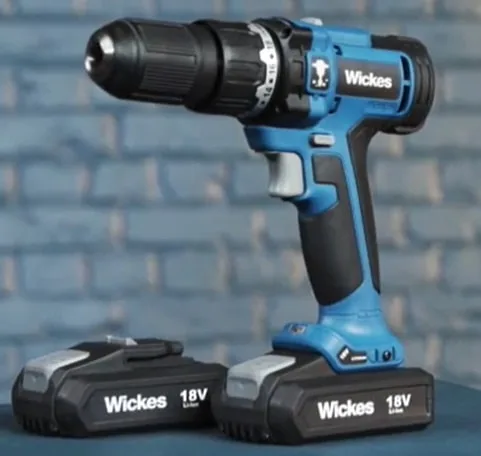
The short answer is: Yes, it is illegal to throw a cordless or corded power tool in a general waste skip or household bin in the UK.
Why It’s Illegal
Power tools are classified as Waste Electrical and Electronic Equipment (WEEE), which must be diverted from landfills and general waste streams for specialized recycling. This is due to two main reasons:
- Hazardous Components: All power tools contain plastics, circuit boards, and often trace amounts of heavy metals.
- The Battery Risk: Cordless tools contain Lithium-ion (Li-ion) batteries. Placing Li-ion battery in a skip creates a severe fire risk, as damage from heavy skip materials can trigger a short circuit and combustion.
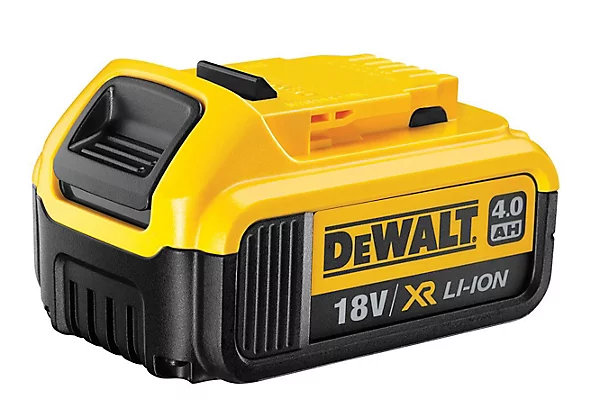
For tradesmen, improper disposal is also a violation of Business-to-Business (B2B) WEEE compliance, which can result in fines from environmental agencies.
The Two Primary Risks of Skipping a Drill
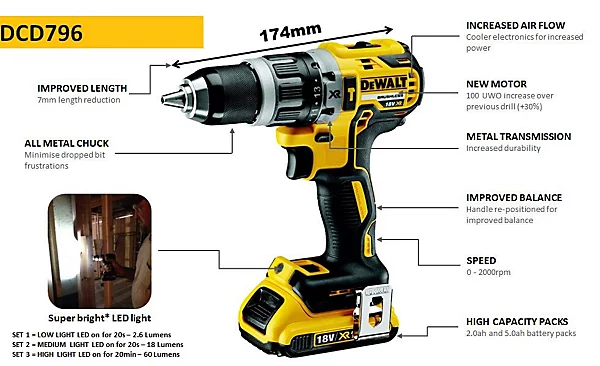
Fire Risk from the Battery: Cordless tools contain Lithium-ion (Li-ion) batteries. Placing a {Li-ion} battery in a skip creates a severe fire risk, as damage from heavy skip materials can puncture the cells and trigger a short circuit and thermal runaway. Skip fires are a major hazard for waste management companies and often result in immediate reporting to the authorities.
- Harmful Components: Even corded tools contain plastics, circuit boards, and trace amounts of heavy metals like lead and mercury. When these are sent to landfill via a skip, they pose an environmental risk through a process known as leaching.
The Legal Alternative
Instead of using a skip, you must use an approved WEEE disposal route. The easiest, most compliant methods available to UK tradesmen are:
- Retailer Take-Back Schemes: The easiest method. Major UK suppliers like Screwfix and Toolstation offer free take-back points for old tools and batteries, especially when purchasing a “like-for-like” replacement.
- Household Waste Recycling Centres (HWRCs): Your local “tip” or recycling centre usually has specific, secure cages for WEEE and batteries. Check your local authority’s website, as commercial waste may require a fee or specialised booking.
- B2B Waste Contractors: For commercial volumes, a licensed waste contractor will provide a secure collection service and issue the mandatory Waste Transfer Note (WTN).
To ensure your business remains compliant and to learn the approved, legal disposal methods for your tools and batteries, read our complete guide:
The Essential Guide to WEEE & Power Tool Battery Disposal UK.