
As a beginner in the world of UK DIY and gardening, you have probably bought a few essential garden tools. Most likely, a trusty spade, a handy trowel, or those very useful secateurs.
While getting your hands dirty is part of the fun, neglecting your gardening equipment after use can lead to a common, frustrating problem: rust.
Not only does rust make your tools look unsightly, but it also dulls their performance, makes them harder to use, and most likely will shorten their lifespan.
There is good news. Preventing rust on your metal tools is surprisingly easy and requires just a few simple maintenance steps.
In this beginner-friendly guide, we’ll show you exactly how to clean your garden tools to prevent rust, ensuring they stay sharp, shiny, and ready for your next outdoor project, no matter what the British weather throws at us.
Why Rust is the Enemy of Your Garden Tools?
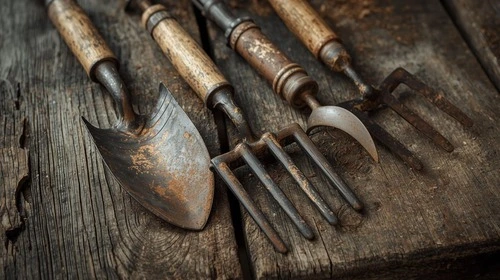
Rust is essentially an iron oxide, which is formed when iron or steel (common materials for garden hand tools) reacts with oxygen in the air and moisture. The UK climate, with its all too frequent rain and humidity, makes our gardening equipment particularly susceptible. A layer of rust can:
- Blunt edges: That means digging, cutting, and pruning become much harder.
- Corrode metal: Weakening the structure of your spades, forks, and pruners.
- Spread disease: Rust can harbour soil-borne diseases, potentially transferring them between plants.
- Damage moving parts: Hinges on secateurs or loppers can seize up, making them unusable.
Proper tool care isn’t just about how they look. It is about protecting your investment and making your gardening tasks more efficient and enjoyable.
What You’ll Need for a Thorough Tool Clean
Before you begin, it’s always best to gather these simple items. Most of them you probably already have around the house or shed.
- Stiff-bristled brush or wire brush: This is the best option for removing dried on mud and stubborn dirt.
- Bucket of warm, soapy water: A general-purpose cleaner for most tools. You can use everyday washing-up liquid.
- Old cloth or rag: For drying and wiping. Always a good idea to have plenty of those.
- Wire wool or sandpaper (medium grit): For tackling existing rust spots.
- Old toothbrush or small brush: Useful for getting into tight spots on pruning shears or secateurs.
- White vinegar or a commercial rust remover (optional): For more stubborn rust. Always follow safety instructions if using a chemical product.
- Linseed oil, mineral oil, or WD-40: Crucial for protecting metal surfaces after cleaning.
- Gloves: Protect your hands from dirt and any sharp edges.
Step-by-Step Guide to Cleaning Your Garden Tools
List of Steps
Step 1 – Remove Loose Dirt and Debris
Scrape Off Mud:
Use your stiff brush, a stick, or even an old knife to scrape off any caked-on mud, plant sap, or debris from your spade, trowel, fork, or hoe. For secateurs or loppers, open them fully to access all surfaces.Rinse with Water:
Give your tools a quick rinse with a garden hose or in your bucket of warm water. This removes smaller particles of whatever is attached to them.
Step 2 – Wash and Scrub Thoroughly
Soapy Bath:
Don’t be afraid to dunk your tools into a bucket of warm, soapy water. (Non-electrical of course) Let them soak for a few minutes if the dirt is really stuck on.Scrub Away Grime:
Use your stiff brush or wire brush to vigorously scrub all metal and plastic parts. Pay extra attention to hinges on pruning tools and the serrated edges of saws. An old toothbrush is excellent for more detailed and thorough cleaning.
Address Sap and Resin:
For sticky sap on pruners or shears, a little rubbing alcohol or a specific tool cleaner can work wonders.
Step 3 – Tackle Existing Rust
Light Rust:
If you notice small patches of light rust, gently rub them with wire wool or fine sandpaper. Don’t be afraid to use a bit of elbow grease to fully remove any sign of rust.Stubborn Rust:
For more pervasive rust, soak the affected parts in white vinegar overnight. The acid in the vinegar will help loosen the rust. In the morning, scrub it off with your wire brush or wire wool. Alternatively, use a commercial rust remover according to its instructions. Remember safety precautions with chemicals.Sharpening (Optional but Recommended):
Once rust-free, consider giving your spades, hoes, and pruners a quick sharpen. A blunt edge has to work harder and is more prone to damage. You can use a sharpening stone, a file or a specific tool sharpener for this.
Step 4 – Dry Your Tools Completely
This is a crucial step. This is perhaps the most important prevention step. Moisture is the primary culprit for rust.Wipe Dry:
Use an old, clean rag to meticulously dry every surface of your tools. Pay special attention to crevices, hinges, and seams where water can hide.
Air Dry:
If possible, let your tools air dry in a sunny, dry spot for a few hours before storage, just to be absolutely sure.
Step 5 – Protect with an Oil Coating
The Final Rust Barrier:
Once your tools are bone-dry, apply a thin coat of linseed oil, mineral oil, or a multi-purpose lubricant like WD-40 to all metal surfaces.How to Apply:
Pour a small amount onto a clean cloth and wipe it evenly over the blades of spades, trowels, and the cutting edges of secateurs. For hinges and moving parts, a squirt of WD-40 or a few drops of oil will keep them operating smoothly.Why Oil?
The oil creates a protective barrier that repels moisture and oxygen, effectively preventing rust from forming. It also conditions wooden handles, preventing them from drying out and cracking.
Smart Storage for Long-Term Tool Health
Even the best cleaning efforts can be undone by poor storage.
- Dry Environment: Always store your garden tools in a dry place. A garden shed, garage, or utility room is ideal. Avoid leaving them outside, even under cover, especially during the damp UK winter.
- Organisation is Key: Hang tools on wall-mounted racks or store them neatly in a tool box or bucket with sand (oiled sand can further protect blades). Keeping them off the ground prevents them from sitting in any unexpected dampness.
- Individual Protection: For highly prized or delicate tools like expensive pruning shears, you might consider storing them in individual sleeves or wraps to provide an extra layer of protection.
A Little Effort Goes a Long Way!
Maintaining your garden tools might seem like an extra chore, but the few minutes you spend on cleaning and oiling them after each use will save you time, money, and frustration in the long run.
Rust-free, well-maintained tools are safer, more efficient, and much more enjoyable to use, making your UK DIY gardening experience a lot easier.
So, next time you put your spade down, remember these simple steps to keep your gardening equipment in pristine condition.