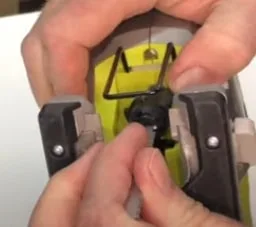
Changing a jigsaw blade might seem fiddly at first if you are new to using them. Once you know the steps, it’s quick, safe, and essential for clean cuts.
Whether you’re using a corded or cordless model, this guide walks you through the process with confidence.
What You’ll Need
Replacement blade (T-shank or U-shank, depending on your jigsaw – most modern jigsaws use t-blades)
Safety gloves (optional but recommended)
Allen key or screwdriver (for older models that use U-shank blades)
Clean workspace with good lighting
Tip: Always check your jigsaw’s manual for blade compatibility and release mechanism.
List of Steps
Step 1 – Unplug or Power Down
Before doing anything:
Corded jigsaw: Unplug from the main’s socket
Cordless jigsaw: Remove the battery from the saw
This prevents accidental start-ups and keeps your hands safe.
Step 2 – Identify the Blade Type
Most modern jigsaws use T-shank blades, which slot in easily and lock without tools. Older models may use U-shank blades, which often require a screwdriver or Allen key.
Check for:
A quick-release lever or button
A screw clamp near the blade holder
Blade markings (T-shank blades have a flat, notched end)
Step 3 – Release the Old Blade
Depending on your jigsaw:
Tool-less system: Flip or press the release lever/button. The blade should pop out easily.
Screw clamp system: Use a screwdriver or Allen key to loosen the clamp. Carefully slide the blade out.
Safety tip: Wear gloves or hold the blade with a cloth—it may still be sharp or hot from recent use.
Step 4 – Insert the New Blade
Align the blade with the holder—teeth facing forward (be sure to check this)
Slide it in until it clicks or seats firmly
If using a clamp, tighten securely without over-torquing
Test the fit: Gently tug the blade to ensure it’s locked in place. It should not wobble or slide.
Step 5 – Check Alignment & Function
Reconnect power or battery
Run the jigsaw briefly (without cutting) to check blade movement
Listen for smooth operation—no rattling or misalignment
Tip: If the blade doesn’t sit straight, remove and reinsert it as it may be slightly off-track.
Changing a jigsaw blade is a simple skill that you can master pretty quickly. Whether you’re switching blades for different materials or replacing a dull one, taking a few minutes to do it properly makes all the difference.
Want to learn more about jigsaw blades and cutting tips? Check out:
Enda McLarnon has over 50 years of hands‑on DIY experience and tests every tool in a real home workshop in Northern Ireland. He writes practical, no‑nonsense guides to help UK homeowners choose the right tools without the marketing fluff.