

It can be hard when you are at the very start of your DIY journey. It is true to say that owning the right tools make all the difference. Here’s a breakdown of the essential power tools every UK beginner should consider adding to their kit.
There are a wide range of jobs you may want to attempt, and by owning the tools below, you will be able to complete many of them.
1. Cordless Drill/Driver
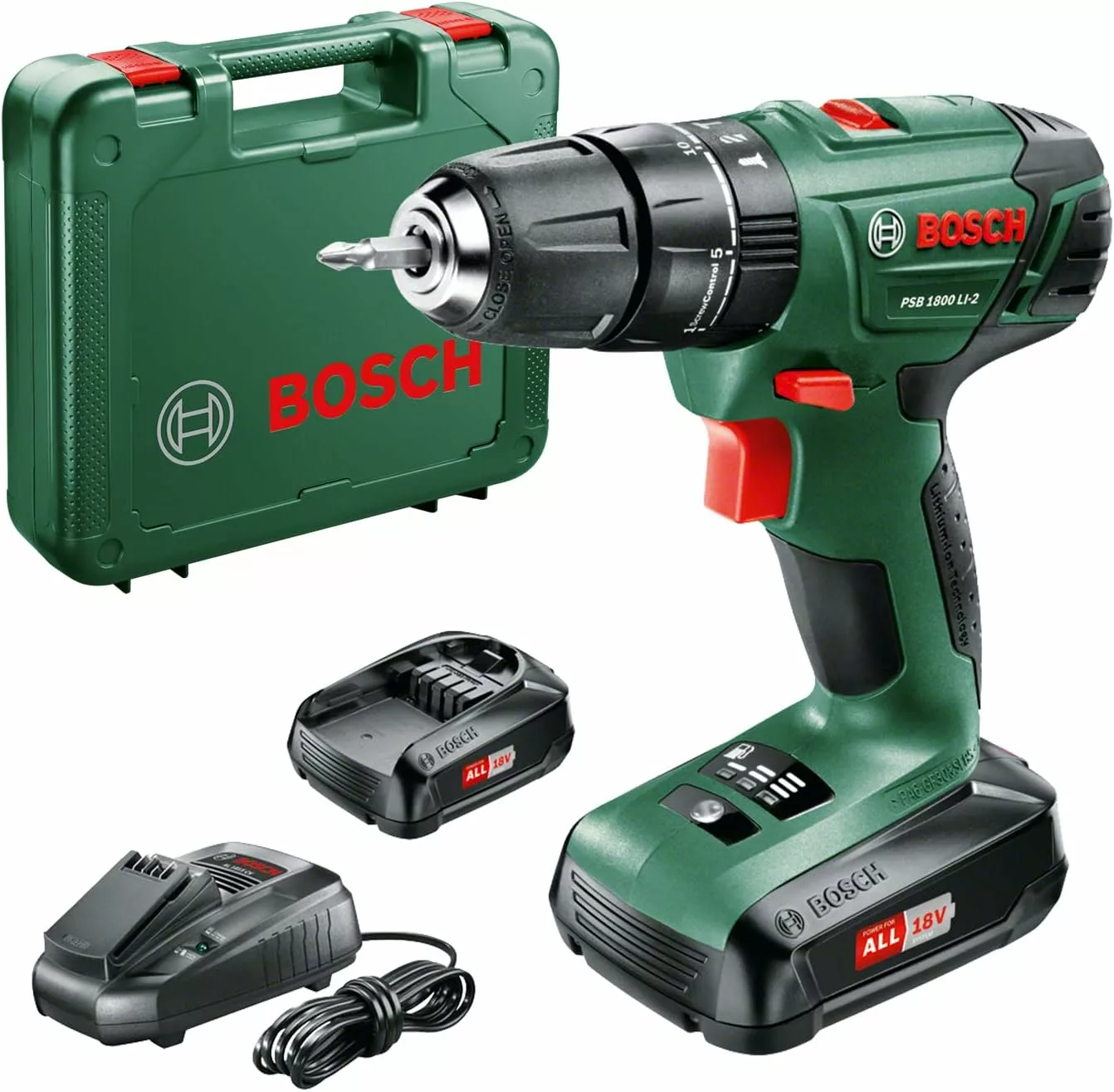
If you only buy one power tool—make it this. A cordless drill handles everything from drilling pilot holes to driving screws into wood, plasterboard, and even masonry (with the right bit).
What to look for:
- 18V battery (or higher)
- Variable speed and torque settings
- Keyless chuck for fast bit changes
- Hammer function (for drilling into brick or concrete)
Pro tip: A combi drill combines drilling, screwdriving, and hammer action in one tool—ideal for almost any home projects.
Read More Detail on Drill/Drivers
2. Jigsaw
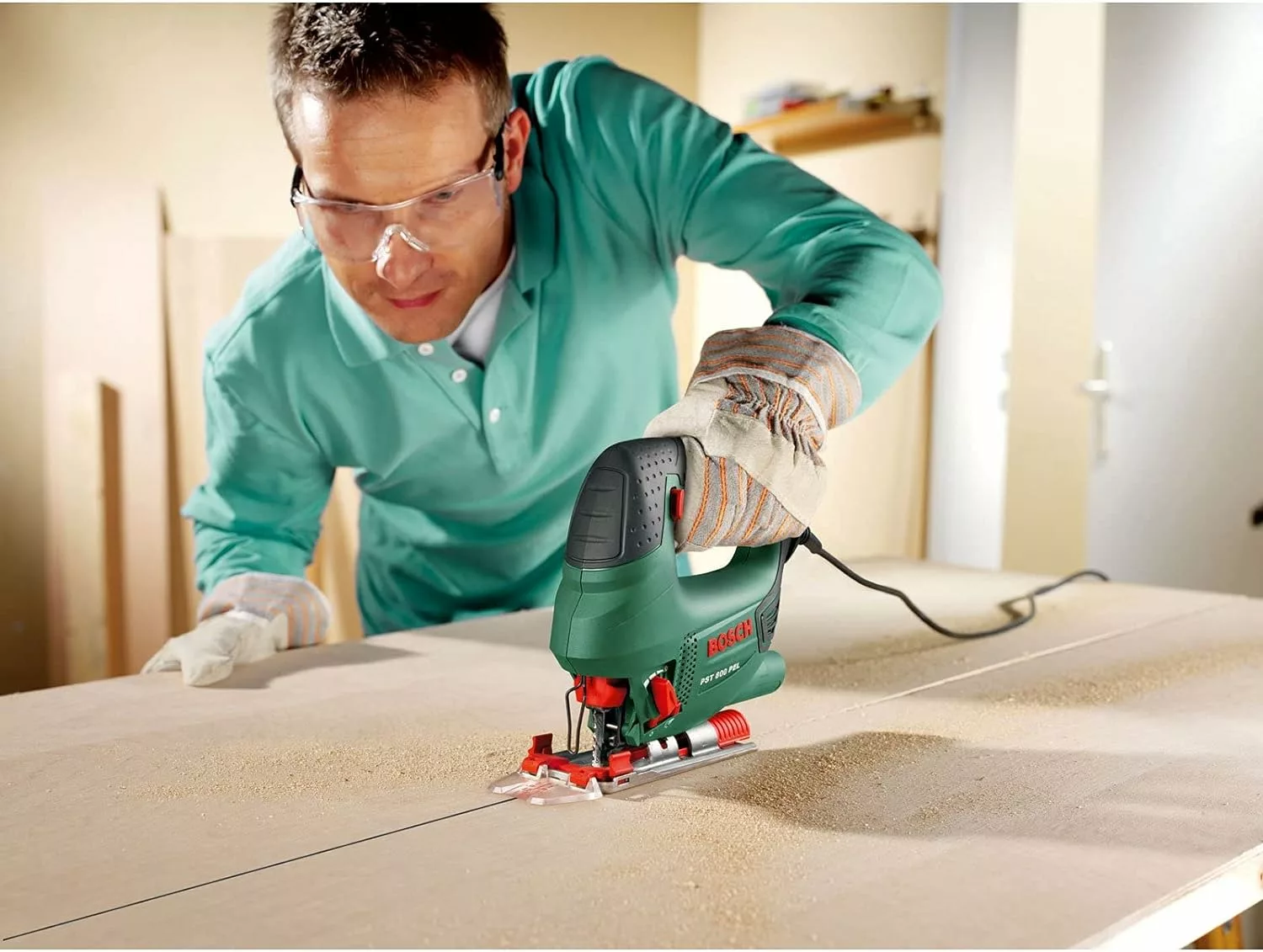
This is the best saw for curved cuts, notches, and plunge cuts in wood, MDF, and plastic. A jigsaw is lightweight, beginner-friendly, and incredibly versatile.
Use it for:
- Cutting shelves to size
- Making signs or shapes
- Trimming laminate or plywood
- Doing cut outs for sinks
What to look for:
- T-shank blade compatibility (most are)
- Orbital action settings
- Tool-free blade change (really important and most are)
3. Circular Saw
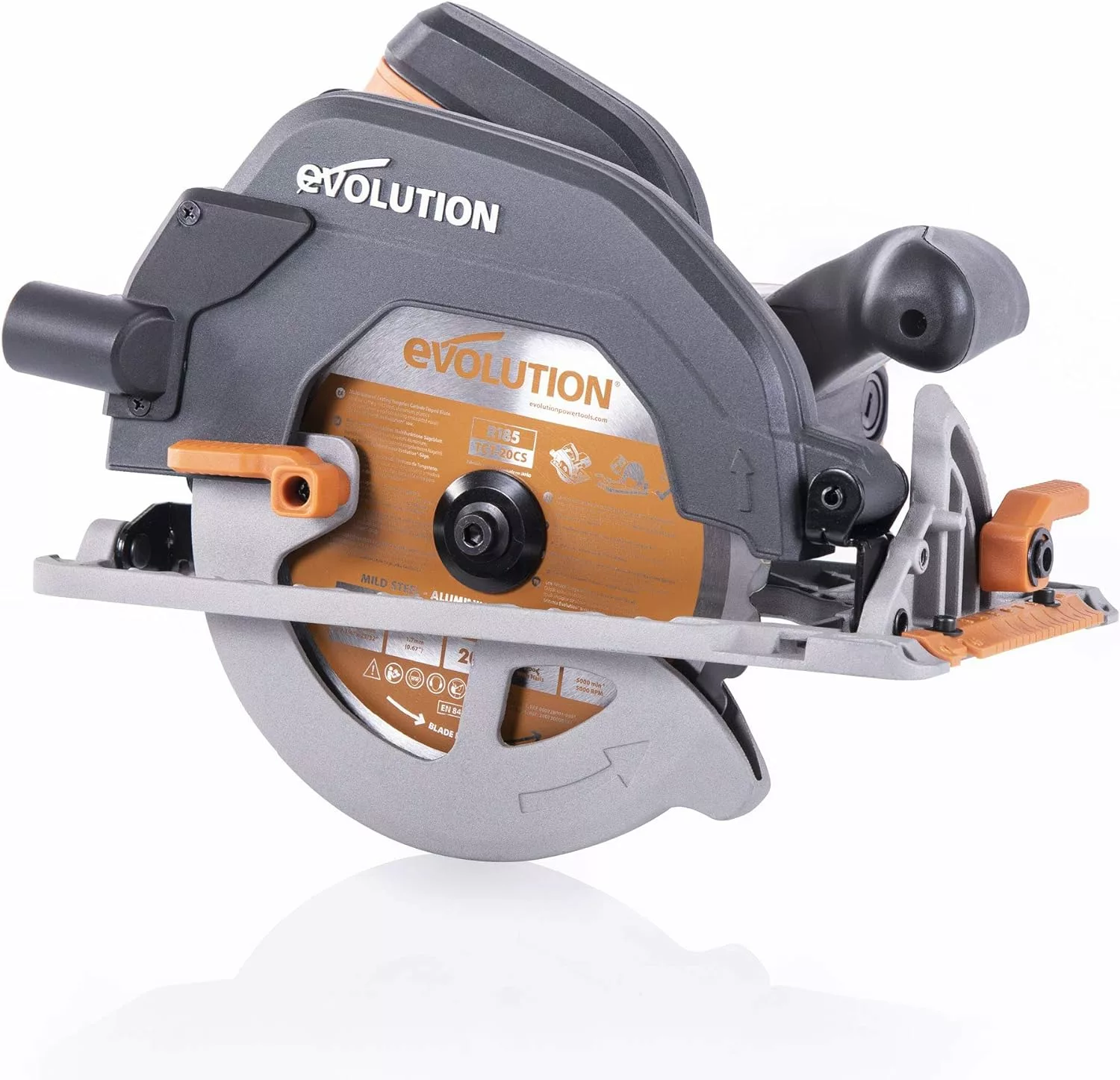
These are affordable and ideal for straight, fast cuts in timber and sheet materials. They are mainly used for flooring, framing, and cutting down large boards.
Look for:
- Adjustable depth and bevel settings
- 165mm–190mm blade size
- Guide rail compatibility (for straighter cuts)
Tip: Start with a corded model if you’re on a budget—more power for less money.
4. Orbital or Detail Sander
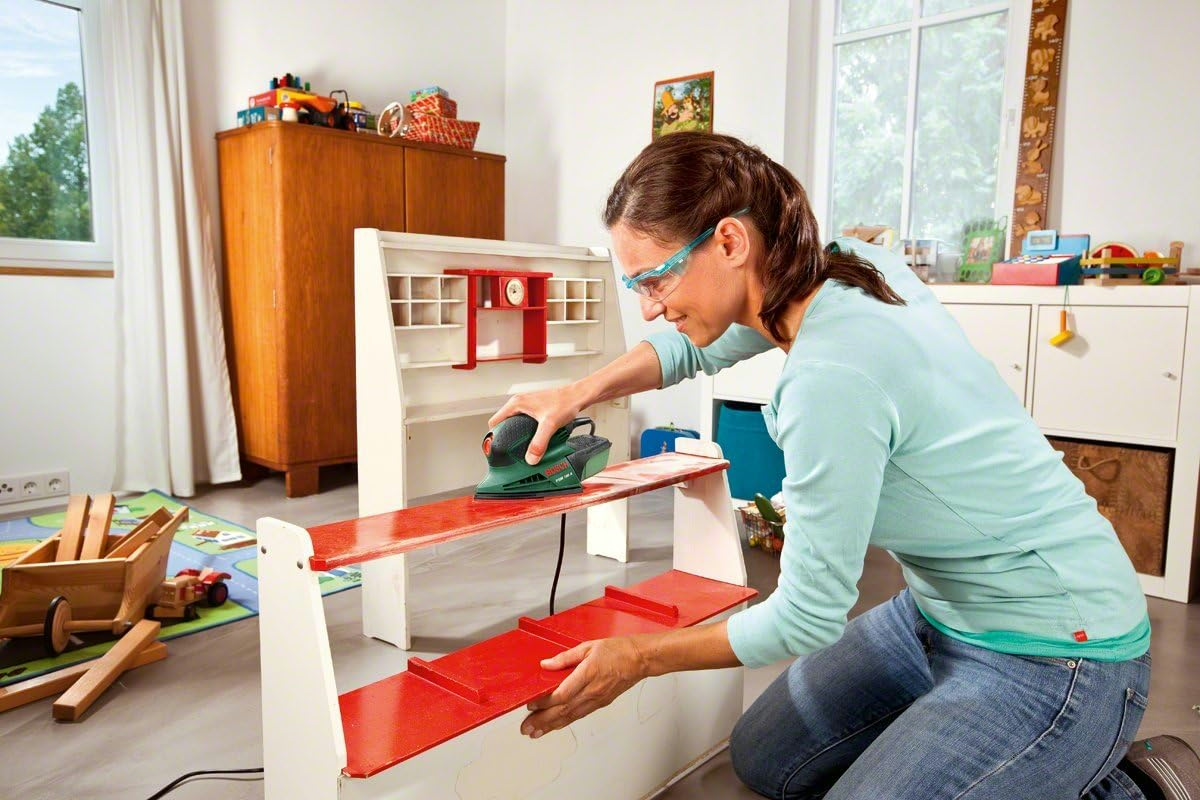
Sanding by hand is fine—until it isn’t. A powered sander saves time and gives a smoother finish on wood, paint, and filler.
Types to consider:
- Orbital sander: great for flat surfaces
- Detail sander: perfect for corners and tight spots
Use it for:
- Prepping furniture
- Smoothing filler
- Removing paint or varnish
5. Oscillating Multi-Tool
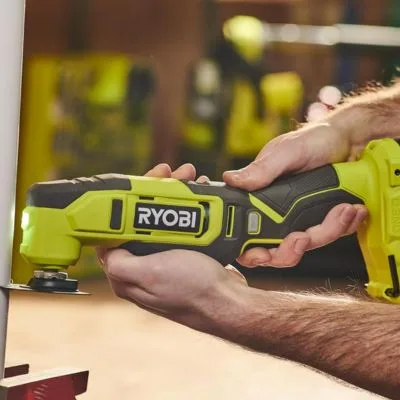
This is the Swiss Army knife of power tools. It can cut, sand, scrape, and trim in awkward spaces where other tools won’t fit.
Common uses:
- Trimming door frames
- Cutting pipes or nails
- Removing grout or adhesive
Look for:
- Quick-change blade system
- Variable speed
- A starter accessory kit
6. Cordless Impact Driver (Optional Upgrade)
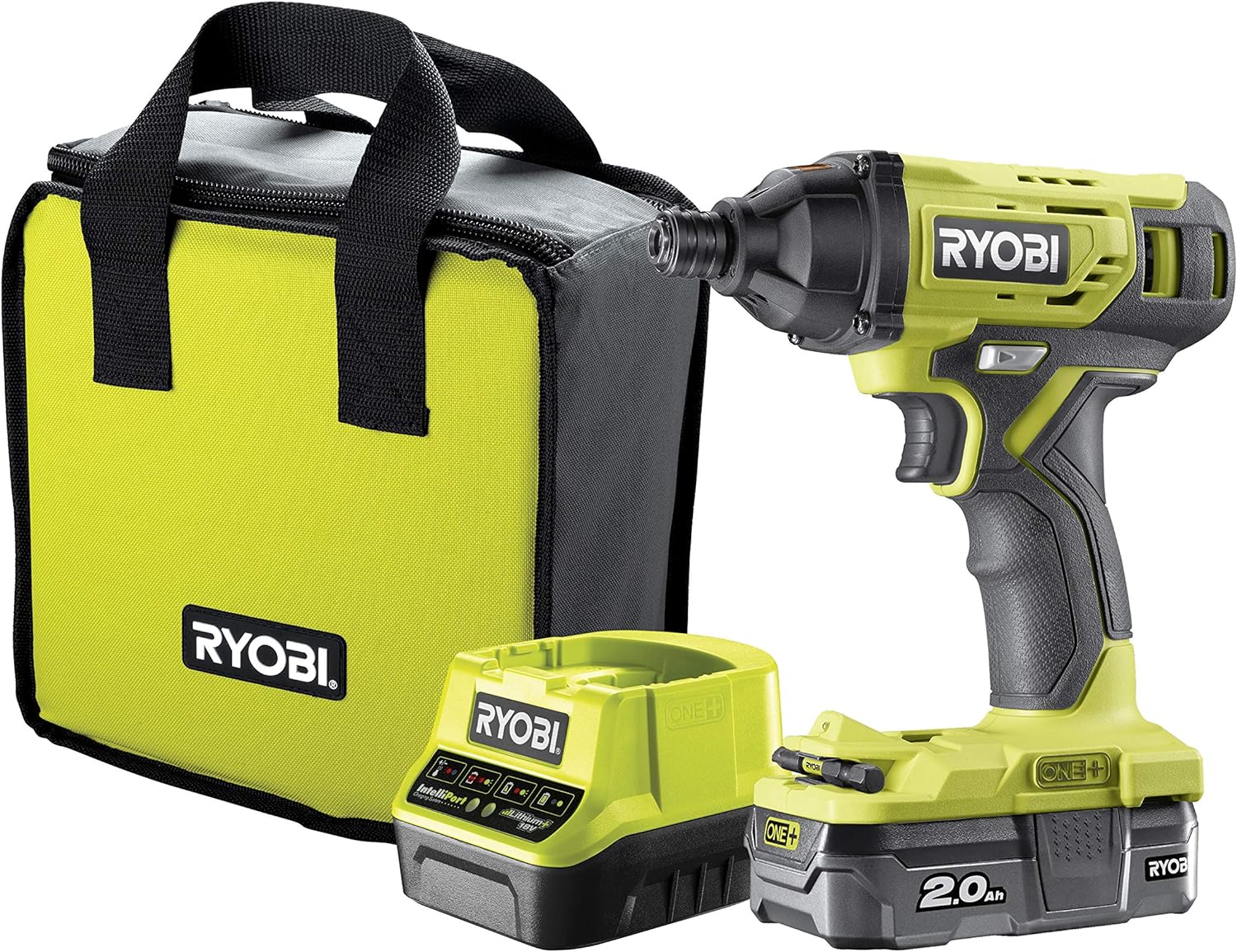
If you’re building decking, fencing, or anything with long screws—this tool is a game-changer. It delivers more torque than a drill and reduces wrist strain.
Use it for:
- Driving long screws into timber
- Assembling flat-pack furniture
- Working with tougher materials
Note: Not essential for beginners, but a great second tool once you’re more confident.
7. LED Work Light
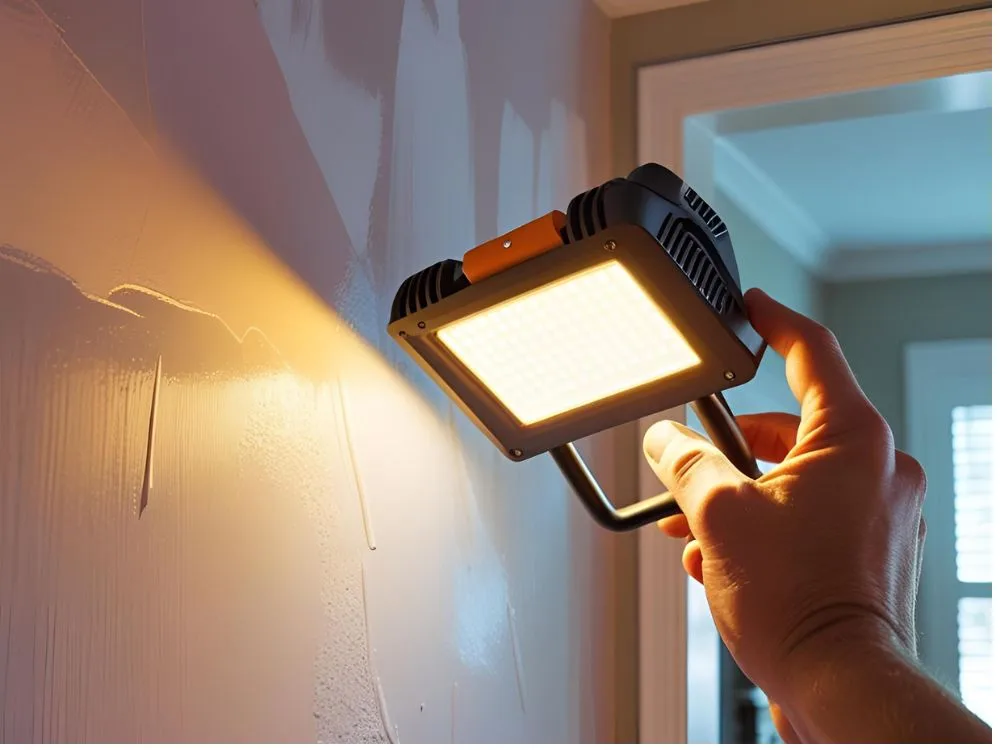
Not glamorous, but essential for visibility and safety. A good work light improves visibility, accuracy, and safety—especially in garages, lofts, or winter evenings.
Look for:
- Rechargeable or battery-powered
- Adjustable angle or tripod mount
- 500–1,000 lumens for indoor use
Conclusion
You don’t need a shed full of power tools to get started—just a few smart choices. Begin with a cordless drill, jigsaw, and sander, then build your kit as your confidence grows. Focus on tools that match your projects, and don’t forget safety gear and accessories.
Want to keep building your toolkit? Check out:
- Top 5 Cordless Drill Sets for Home Use
- Must-Have Accessories for Your Power Tool Kit
- Power Tool Safety Tips for DIY Beginners